


Shimelis Zewde1*, Mohammed Worku2
1Associate Professor, Jimma University, Ethiopia
2PhD Student, Mizan Tepi University, Ethiopia
*Correspondence: Zewde S. Associate Professor, Jimma University, Ethiopia. E-mail: shimmzz@yahoo.com
Received date: 08 April, 2026; Accepted date: 23 April, 2026; Published date: 30 April, 2026
Citation: Shimelis, Zewde, Worku M. “AI in Marketing: A Systematic Review of Mechanisms, Outcomes, and Future Trajectories.” J Glob Entrep Manage (2026): 140. DOI: 10.59462/3068-174X.4.2.140
Copyright: © 2026 Zewde S. This is an open-access article distributed under the terms of the Creative Commons Attribution License, which permits unrestricted use, distribution, and reproduction in any medium, provided the original author and source are credited.
This systematic review synthesizes cutting-edge knowledge (2019–2025) within the domain of Artificial Intelligence (AI) and its influence on marketing theory and practice. By analyzing 69 peer-reviewed journals, the study identifies primary applications, performance outcomes, and ethical implications. Results demonstrate that AI facilitates hyper-personalization, predictive analytics, and content automation, leading to quantifiable improvements in customer engagement and financial performance. These gains are moderated by barriers such as data privacy, algorithmic bias, and organizational readiness. The review further explores adoption in emerging economies, specifically the Ethiopian context, highlighting opportunities for mobile-centric "leapfrogging" in Agri-tech and financial services. Ultimately, this study provides an integrative framework and a forward-looking research agenda to guide future scholarship and strategic implementation.
Keywords: Artificial Intelligence; Digital Marketing; Personalization; Predictive Analytics; Ethical AI; Marketing Automation; Marketing Strategy; Systematic Review; Emerging Economies
The marketing field is at the brink of a paradigm shift due to the widespread integration of Artificial Intelligence (AI) into its core practices. Previously limited to rule-based automated systems, AI has evolved into a sophisticated domain encompassing machine learning, natural language processing, computer vision, and generative AI. This evolution is revolutionizing how value is created and delivered across the customer value chain [1, 2]. Today, this technological shift represents a "paradigm leap" that is fundamentally repositioning the customer journey, competitive landscape, and the marketing function itself [3,4].
In practice, AI in marketing, often termed intelligent marketing or marketing automation, covers a broad spectrum of applications. These range from online advertising and recommendation systems to sentiment analysis, chatbots, predictive analytics, and AI-generated content [5,6]. The projected impacts are significant, offering unprecedented personalization, real-time decision-making, and improved return on investment (ROI) by extracting insights from massive, unorganized datasets. While the literature base is expanding rapidly through research and industry reports, it remains siloed and fragmented [7,8]. Current studies often focus on specific applications like chatbots, certain industries such as tourism, or isolated outcomes like click-through rates. Furthermore, a significant geographical divide persists, as the majority of research is conducted within developed nations and major corporations [9,10].
There is now an urgent need for an integrated study that synthesizes these divergent results into a holistic understanding. This review addresses that gap by exploring the potential applications, conditions, and risks of AI marketing, with a specific focus on emerging economies and the local Ethiopian context.
While previous research often examines AI applications in isolation, this study provides a holistic synthesis by offering the following primary contributions:
Integrative Theoretical Framework: The study develops an original framework that maps the value-creation pathway from AI resources and technologies to augmented marketing capabilities and, ultimately, to multi-level performance outcomes.
Identification of Strategic Moderators: Beyond direct effects, this review identifies and categorizes the critical moderating roles of organizational readiness, environmental infrastructure, and ethical governance in determining the success of AI integration.
Contextual Originality (Emerging Economies): A significant contribution is the localized assessment of AI in the Ethiopian context. This addresses the "geographical divide" in current literature by exploring unique "leapfrogging" opportunities and infrastructure-specific barriers prevalent in emerging markets.
Future Research Agenda: The study concludes with a forward-looking agenda that proposes context-specific questions for scholars, particularly regarding generative AI and culturally appropriate ethical frameworks in under-researched regions.
This review aims to consolidate and critically evaluate the current state of knowledge on AI in marketing from 2019 to 2025.
Specifically, it seeks to catalog and categorize the primary applications and enabling technologies of AI across the marketing mix,
Identify the key mechanisms through which AI influences marketing processes and consumer interactions,
Synthesize empirical evidence on the performance outcomes of AI adoption at operational, strategic, and financial levels,
Examine the contingent factors, organizational, technological, and environmental, that moderate the effectiveness of AI in marketing, with a specific focus on the Ethiopian context,
Surface the predominant ethical, privacy, and societal challenges associated with AI-driven marketing, and
Propose an integrative framework and a forward-looking research agenda to guide future scholarship, emphasizing context-specific pathways.
To achieve these objectives, the review is guided by the following research questions
What are the dominant applications of AI in marketing, and how do they function as mechanisms for value creation?
What is the nature of the relationship between AI implementation and marketing performance outcomes?
What factors facilitate or impede the successful adoption and integration of AI within marketing organizations, particularly in emerging economies like Ethiopia?
How do ethical considerations and consumer perceptions shape the deployment and efficacy of AI in marketing?
By answering these questions, this review aims to provide scholars with a consolidated map of the field, identify theoretical intersections and gaps, and offer practitioners, especially in contexts like Ethiopia, an evidence-based guide for strategic, context-aware AI investment and implementation.
The intersection of AI and marketing is underpinned by several converging conceptual streams. At its core, AI in marketing refers to the use of intelligent systems and algorithms to perform marketing tasks that typically require human cognition, such as learning, reasoning, problem-solving, and decision-making [3]. This encompasses a hierarchy of capabilities, from narrow AI performing specific tasks (e.g., sentiment classification) to more advanced machine learning and the emerging frontier of generative AI (GAI) creating novel content [2]. The evolution of this domain can be traced through key technological waves: the automation of repetitive tasks (e.g., email marketing), the rise of data analytics and predictive modeling, the advent of real-time personalization engines, and the current era of conversational AI and generative content creation [1,11]. This progression reflects a shift from AI as a tool for efficiency to AI as a strategic partner in creativity and innovation [12,13]. However, this trajectory is not uniform globally. In emerging economies, adoption often follows a different, leapfrogging pattern, skipping earlier stages and embracing mobile-centric, cloud-based AI solutions directly [14].
Research on AI in marketing draws from and contributes to several established theoretical frameworks. The Resource-Based View (RBV) and Dynamic Capabilities lens conceptualizes AI as a valuable, rare, inimitable, and organizationally embedded (VRIN) resource that can constitute a sustainable competitive advantage [14]. The dynamic capabilities lens explains how firms integrate AI to sense market opportunities, seize them through agile campaigns, and transform their marketing knowledge bases [15,16]. In resource-constrained environments, the ability to access AI via cloud platforms (as a service) redefines what constitutes a "resource." Technology Acceptance Model (TAM) and Diffusion of Innovation theories help explain the drivers and barriers to AI adoption within marketing teams, focusing on perceived usefulness, ease of use, and organizational readiness [17,18]. In contexts like Ethiopia, factors such as cost, digital literacy, and relevance to local market nuances become critically important moderators of TAM. Consumer Behavior and Psychology Theories are employed to understand consumer reactions to AI interactions, such as chatbots or personalized recommendations [19,20]. Consumer trust in AI may vary significantly across cultures and levels of technological familiarity. Finally, Ethical and Societal Frameworks examine AI marketing through lenses of fairness, accountability, transparency, and privacy (FATE), exploring the potential for bias, manipulation, and erosion of consumer autonomy [21,22]. In developing regulatory landscapes, ethical frameworks may be less formalized but equally urgent.
The application of the Resource-Based View (RBV) suggests that AI acts as a "linchpin resource" providing a sustainable competitive advantage [1]. However, a critical analysis of recent evidence suggests a shift toward Dynamic Capabilities. For instance, Wu & Monfort [15] argue that the mere possession of AI resources is insufficient; the differentiator is organizational agility and the ability to co-create value. This suggests that for firms in emerging economies like Ethiopia, the focus must move from "acquiring technology" to developing the adaptive cultures required to manage it.
While there is a consensus that AI facilitates hyper-personalization [23], there is a significant scholarly contradiction regarding consumer trust. While Yau [24] emphasize that AI frameworks enhance customer loyalty and satisfaction, other research warns of the "uncanny valley" effect. Marvi [11] provide evidence that intensive AI-driven data collection can lead to consumer reactance if perceived as intrusive. This review finds that the literature has yet to establish a clear ethical threshold where "helpful personalization" becomes "intrusive monitoring."
The dominant narrative in the literature is that AI consistently improves ROI and administrative efficiency [25]. However, a more critical look at longitudinal data indicates a "productivity paradox." While Yang [26] highlight the precision marketing benefits of AI, other studies suggest that high initial costs and the "intelligence gap" can offset these gains in the short term, particularly for SMEs in developing regions that lack the necessary data infrastructure.
This systematic review employs a targeted analysis of a predefined, contemporary corpus of literature. The source material consists of 69 peer-reviewed articles, chapters, and reviews focused explicitly on AI in marketing, published between 2019 and 2025. This corpus was compiled to reflect the most recent and relevant scholarship in the field, capturing the period of most rapid AI advancement and adoption in marketing practice. While not derived from a traditional multi-database Boolean search, the provided references represent a comprehensive snapshot sourced from major publishing outlets (e.g., Springer, Elsevier, Emerald, IEEE, MDPI) and span a wide range of impact factors and geographic origins.
To ensure transparency and reproducibility, this study follows a systematic protocol. The corpus consists of 69 peer-reviewed articles selected from major databases, including Emerald, Elsevier, and Springer. Following the PRISMA guidelines [8], articles were screened based on specific inclusion criteria: a focus on marketing mechanisms, publication between 2019 and 2025, and a clear theoretical or empirical contribution. This rigorous selection process ensures that the synthesis reflects high-quality, contemporary scholarship rather than anecdotal industry trends.
The 69 studies were screened and selected based on the following inclusion criteria: the study's central theme must be the application, impact, or implication of AI/ML in a marketing context; the publication must be a peer-reviewed journal article, conference proceeding, or scholarly book chapter; the temporal scope must be between January 2019 and December 2025; and the content must include an abstract that clearly outlines objectives, methodology (if empirical), and key findings. Excluded were articles solely about general digital marketing without an AI focus, purely technical AI papers without marketing application, and non-peer-reviewed industry white papers. This ensured the review remained focused on academically rigorous, marketing-specific AI research (Figure 1).
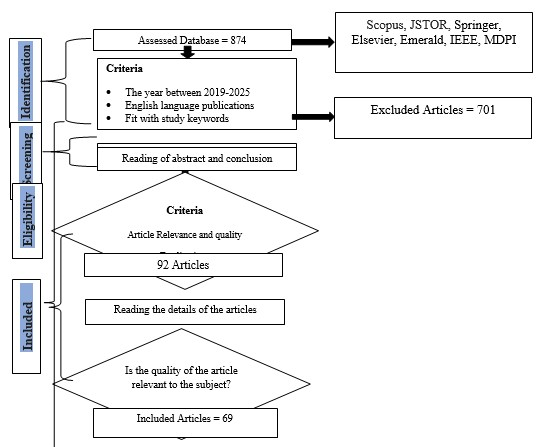
Figure 1. Study Selection and Inclusion Criteria
A systematic data extraction protocol was implemented. Each of the 69 articles was coded using a standardized form capturing bibliographic data (authors, year, title, source), study characteristics (research methodology, industry context, geographic focus), key variables (independent, dependent, mediating/moderating variables), and core themes related to applications, outcomes, challenges, and future directions. Thematic analysis was conducted inductively. Codes were generated from the data, clustered into categories, and iteratively refined to develop overarching themes that address the research questions. A separate analytical thread was dedicated to extracting insights relevant to emerging economy contexts, which were then synthesized into a dedicated assessment for Ethiopia. This process was managed using digital coding sheets to ensure consistency and reliability, allowing for a transparent audit trail from raw data to synthesized themes and the final integrated assessment.
The 69 reviewed studies exhibit the following characteristics: methodological diversity, with conceptual/theoretical papers (~25%), qualitative studies (~20%), quantitative studies (~40%), mixed-methods approaches (~10%), and systematic/bibliometric reviews (~5%); a geographic spread that, while including global and theoretical work, features specific contexts in North America, Europe, Asia, and emerging economies like Ghana and Saudi Arabia; a sectoral focus spanning high-tech/IT, retail/e-commerce, tourism, financial services, B2B industries, SMEs, and manufacturing; and a theoretical grounding where approximately 60% of empirical studies explicitly employ or test frameworks like TAM, RBV, and trust theory. It is crucial to note that no studies in the corpus specifically focus on Ethiopia, necessitating the extrapolative assessment from analogous contexts, which simultaneously highlights a significant gap in the literature that this review helps to identify.
This section synthesizes the results into a consolidated framework, highlighting the tensions and contradictions identified in the literature.
While a vast majority of the reviewed studies [25,26] report that AI improves administrative efficiency and ROI, a critical subset of the literature suggests a productivity paradox. While Venkateswaran [23] demonstrate immediate gains in precision marketing, Mustak [27] argue that these are often offset by implementation debt, the long-term costs of data maintenance, technical talent, and algorithmic auditing. AI does not automatically guarantee performance; rather, it shifts costs from traditional labor to high-value technical infrastructure, a barrier particularly acute in the Ethiopian context.
The narrative in current research often champions AI for hyper-personalization [24]. However, the evidence is not monolithic. There is a documented tension between relevance and creepiness. While Davenport [1] posit that AI-driven personalization enhances the customer journey, Marvi [11] provide evidence that intensive data tracking can lead to consumer reactance and a loss of brand trust. The efficacy of AI agents (chatbots and recommendation engines) depends on the "human-in-the-loop" model. Over-automation without human empathy often results in a "dehumanized" brand perception.
The review reveals a significant divide in adoption drivers between developed and emerging economies. Standard models like TAM (Technology Acceptance Model) emphasize Perceived Ease of Use. However, in the Ethiopian market context, this review finds that Perceived Ease of Use is secondary to Institutional Readiness and Mobile Accessibility. In contrast to global trends identified by Ziakis & Vlachopoulou [8], adoption in emerging markets is driven by leapfrogging necessity rather than incremental convenience.
The discussion on ethics is often treated as a peripheral barrier in descriptive reviews. Here, it is repositioned as a core strategic determinant. Most global frameworks prioritize data privacy [1]. However, for emerging markets, the more pressing ethical conflict is the Intelligence Divide, where AI adoption might exacerbate inequality between multinational firms and local SMEs. Ethical AI in marketing must move beyond privacy compliance to include digital inclusivity, ensuring that AI tools do not create an unbridgeable gap in market access.
Based on the synthesis of literature concerning similar emerging economies and known developmental indicators, the following assessment of AI in marketing within Ethiopia can be constructed. This represents a nascent but rapidly evolving landscape characterized by high potential constrained by foundational challenges. The Level of Development is at a Nascent/Early Growth Stage. Widespread, sophisticated AI use in marketing is limited to a few pioneering entities, primarily in the financial technology (fintech) sector (e.g., AI-driven credit scoring for microloans), large telecom operators, and possibly some export-oriented agri-businesses exploring predictive analytics for market demand. Most businesses, especially SMEs, are at the digital marketing stage, with AI applications being sporadic and basic (e.g., simple social media automation tools). The most relevant and feasible applications in the short term are likely mobile-first and SMS/chatbot-based. Given high mobile penetration, AI-powered conversational interfaces via platforms like Telegram or embedded in banking apps have high potential for customer service and personalized promotions. Predictive analytics in agriculture (matching crops to market prices) and basic sentiment analysis of social media (in Amharic and other local languages) are emerging areas. Infrastructure & Data remains the primary constraint. Limited and expensive broadband, variable data quality, and nascent data governance frameworks hinder the development of robust AI models. However, the proliferation of mobile money generates valuable transactional data that can be a foundation for AI-driven financial services marketing.
Key Local Drivers include the potential for Mobile-First Leapfrogging, allowing Ethiopia to skip desktop-era marketing tech and adopt mobile-centric AI tools directly; a Young, Tech-Adaptive Population that is generally quick to adopt new digital services, creating a receptive market for AI-driven interactions; Government Digitalization Initiatives (e.g., national digital ID) that could, indirectly, improve data infrastructure and digital literacy; and the Growth of Local Tech Hubs in Addis Ababa that are fostering local talent and startup solutions tailored to the Ethiopian market. Salient Local Barriers are more pronounced and include Critical Infrastructure Gaps such as unreliable internet, high costs, and power instability; an Acute Skill Shortage of data scientists, ML engineers, and digitally savvy marketers; Financial Constraints that make high upfront costs for technology and expertise prohibitive for most local businesses; Low Data Maturity, with data often siloed, unstructured, and not collected with AI analytics in mind; and a Regulatory and Ethical Vacuum, where the absence of specific data protection and AI ethics laws creates uncertainty and risk for both businesses and consumers.
The Potential for Contextual Innovation is significant. This includes developing AI for Inclusive Marketing, such as low-bandwidth, voice-based AI assistants for farmers or small traders with lower literacy levels; building Cross-Lingual NLP tools that effectively process and generate content in Amharic, Oromo, and other local languages; and leveraging AI in Agri-Marketing by using satellite data and AI to provide market information, logistics optimization, and direct consumer connections for smallholder farmers. These innovations would address local needs while building on existing strengths and digital behaviors.
This review's findings allow for the proposition of an Integrative Framework for AI in Marketing. The framework posits that AI Resources & Technologies (data, algorithms, software) are necessary inputs. These inputs enable the development of superior AI-Augmented Marketing Capabilities (e.g., personalized engagement capability, predictive insight capability). These enhanced capabilities are the primary drivers of improved Marketing Performance Outcomes (customer, operational, financial, strategic). This core value-creation pathway is moderated by Organizational Factors (readiness, culture, skills, leadership), Environmental Factors (competitive intensity, regulatory landscape, digital infrastructure), and Ethical Governance (the presence of structures to ensure fairness, accountability, and transparency). The outcomes, in turn, generate feedback that influences future investment in AI resources and the refinement of capabilities, creating a dynamic loop. This framework synthesizes the fragmented literature. The Ethiopian assessment highlights that in many emerging economies, the Environmental Factors box, specifically digital infrastructure and formal regulation, exerts an overwhelmingly powerful moderating effect, often constraining the pathway before organizational factors even come into play. It also suggests that "resources" may be accessed differently (via cloud/API services rather than in-house development), indicating a need to adapt traditional RBV logic for resource-constrained, platform-dependent environments.
The review highlights several theoretical implications. It calls for an Extension of RBV/Dynamic Capabilities in Constrained Contexts. In environments like Ethiopia, the critical dynamic capability may be "improvisational bricolage" the ability to creatively assemble and deploy limited, often external, AI resources to solve specific local marketing problems, rather than building proprietary, large-scale systems. This contrasts with the large-scale, integrated system-building capability emphasized in developed economy contexts. The concept of Human-AI Collaboration must be extended to Low-Literacy Settings, where AI may need to augment not just professional marketers but also end-users with varying levels of digital literacy, requiring radically different interface designs (e.g., voice-first, icon-based) and trust-building mechanisms. Furthermore, there is a Need for Contextualized Ethics Theories. Ethical frameworks must be developed that account for different cultural norms around privacy, community, and authority, and which prioritize preventing harm in contexts with weak regulatory oversight. Theories of consumer vulnerability and algorithmic fairness must be tested and adapted outside their Western origins.
For marketing leaders and practitioners globally and in Ethiopia, the implications are distinct. For Global/International Marketers, strategies must be hyper-contextualized. AI models trained on Western data will fail in Ethiopia. Invest in local data collection and partnership to build relevant models, and recognize that a "one-size-fits-all" AI marketing platform is ineffective. For Ethiopian Businesses and Policymakers, a phased and foundational approach is critical. This involves Prioritizing Foundational Digital Infrastructure, as marketing AI cannot advance without reliable, affordable internet and cloud access; Investing in the Talent Pipeline by supporting STEM education and specialized training in data science and digital marketing; Developing Adaptive, Lightweight Solutions that focus on mobile-optimized, cloud-based AI tools addressing acute local pain points (e.g., AI for micro-credit risk assessment, for farmer market access); and Establishing Proactive Governance by developing national guidelines for data privacy and AI ethics to build consumer trust and provide clarity for businesses. All stakeholders should Adopt a Phased, Pragmatic Approach, starting with proven, high-impact use cases like customer service chatbots or SMS-based personalized offers, before attempting complex predictive modeling.
This review has several limitations. First, it analyzes a pre-defined corpus rather than employing a traditional multi-database search, which may have excluded some relevant studies. Second, the rapid evolution of AI, especially generative AI, means the literature is a "moving target"; studies from 2023-2025 are disproportionately influential and the state of practice may already be advancing beyond some of the reviewed work. Third, the thematic synthesis, while systematic, involves interpretive judgment. Most critically, the assessment of the Ethiopian context is extrapolative, based on studies from other emerging economies and general development indicators. It serves as a structured hypothesis and framework for investigation, to be validated and enriched by primary, locally conducted research. The absence of Ethiopia-specific studies in the corpus itself is a finding that underscores the urgent need for localized research.
This systematic review consolidates a vast body of work to demonstrate that AI is fundamentally restructuring marketing. It is a powerful engine for personalization, efficiency, and insight, yet its benefits are contingent and its risks are significant. The proposed integrative framework offers a coherent model for understanding this complexity. The localized assessment for Ethiopia reveals a landscape of significant potential constrained by foundational challenges, underscoring that the AI marketing revolution will be uneven and must be adapted to local realities. For nations like Ethiopia, the path forward is not about replicating the West but about forging a contextually intelligent path leveraging AI to solve local challenges, engage communities in their own languages and through familiar channels, and build marketing practices that are not only smart but also inclusive, ethical, and transformative.
Based on identified gaps, a robust future research agenda is proposed, with special emphasis on context-specific studies:
Generative AI (GAI) as a Disruptive Force: Research should explore how GAI changes content creation workflows and creative strategy. Context-Specific Question: How can GAI be fine-tuned with local languages (e.g., Amharic corpus) and cultural nuances to generate marketing content that resonates in Ethiopia?
Microfoundations of AI Adoption and Use: Studies are needed on the responses of marketing professionals to AI tools. Context-Specific Question: What are the adoption drivers and barriers for Ethiopian SME owners regarding AI marketing tools? How does digital literacy influence perceived usefulness and ease of use?
Ethics, Explainability, and Regulation: Investigate how Explainable AI (XAI) can be implemented in marketing. Context-Specific Question: What does a culturally appropriate, practical ethical framework for AI marketing look like in Ethiopia? How do Ethiopian consumers perceive data privacy and algorithmic fairness?
Sustainability and Societal Impact: Examine if AI can promote sustainable consumption. Context-Specific Question: How can AI marketing tools be designed to support inclusive economic growth in Ethiopia, such as connecting smallholder farmers to markets or promoting formal financial inclusion?
Longitudinal and Causal Methods: More longitudinal studies are needed to track the evolution of AI capabilities. Context-Specific Direction: Conduct longitudinal case studies of Ethiopian firms (e.g., in fintech, telecom) as they adopt and scale AI marketing initiatives, documenting the journey, challenges, and outcomes.
The Leapfrogging Hypothesis: Dedicated research is needed to test if and how emerging economies can successfully bypass traditional stages of MarTech development to adopt modern, cloud-native AI marketing suites, and what unique capabilities are required to manage this leap.
Davenport, Thomas, Abhijit Guha, Dhruv Grewal, and Timna Bressgott. "How artificial intelligence will change the future of marketing." Journal of the academy of marketing science 48, no. 1 (2020): 24-42.
Kshetri, Nir, Yogesh K. Dwivedi, Thomas H. Davenport, and Niki Panteli. "Generative artificial intelligence in marketing: Applications, opportunities, challenges, and research agenda." International journal of information management 75 (2024): 102716.
Wirth, Norbert. "Hello marketing, what can artificial intelligence help you with?." International Journal of Market Research 60, no. 5 (2018): 435-438.
Volkmar, Gioia, Peter M. Fischer, and Sven Reinecke. "Artificial Intelligence and Machine Learning: Exploring drivers, barriers, and future developments in marketing management." Journal of Business Research 149 (2022): 599-614.
Kumar, Vipin, Bharath Rajan, Rajkumar Venkatesan, and Jim Lecinski. "Understanding the role of artificial intelligence in personalized engagement marketing." California management review 61, no. 4 (2019): 135-155.
Boddu, Raja Sarath Kumar, Ashwinkumar A. Santoki, Shopita Khurana, Poonam Vitthal Koli, Ravi Rai, and Abhishek Agrawal. "An analysis to understand the role of machine learning, robotics and artificial intelligence in digital marketing." Materials Today: Proceedings 56 (2022): 2288-2292.
Amini, Reza, and Ali Amini. "An overview of artificial intelligence and its application in marketing with focus on large language models." International Journal of Science and Research Archive 12, no. 2 (2024): 455-465.
Ziakis, Christos, and Maro Vlachopoulou. "Artificial intelligence in digital marketing: Insights from a comprehensive review." Information 14, no. 12 (2023): 664.
Vlačić, Božidar, Leonardo Corbo, Susana Costa e Silva, and Marina Dabić. "The evolving role of artificial intelligence in marketing: A review and research agenda." Journal of business research 128 (2021): 187-203.
Jain, Richali, and Ajay Kumar. "Artificial intelligence in marketing: Two decades review." NMIMS Management Review 32, no. 2 (2024): 75-83.
Marvi, Reza, Pantea Foroudi, and Maria Teresa Cuomo. "Past, present and future of AI in marketing and knowledge management." Journal of Knowledge Management 29, no. 11 (2025): 1-31.
Ameen, Nisreen, Gagan Deep Sharma, Shlomo Tarba, Amar Rao, and Ritika Chopra. "Toward advancing theory on creativity in marketing and artificial intelligence." Psychology & marketing 39, no. 9 (2022): 1802-1825.
Huang, Ming-Hui, and Roland T. Rust. "A framework for collaborative artificial intelligence in marketing." Journal of Retailing 98, no. 2 (2022): 209-223.
Abrokwah-Larbi, Kwabena, and Yaw Awuku-Larbi. "The impact of artificial intelligence in marketing on the performance of business organizations: evidence from SMEs in an emerging economy." Journal of Entrepreneurship in Emerging Economies 16, no. 4 (2024): 1090-1117.
Wu, Chih‐Wen, and Abel Monfort. "Role of artificial intelligence in marketing strategies and performance." Psychology & Marketing 40, no. 3 (2023): 484-496.
Petricevic, Olga, and Alain Verbeke. "Unbundling dynamic capabilities for inter-organizational collaboration: The case of nanotechnology." Cross Cultural & Strategic Management 26, no. 3 (2019): 422-448.
Elhajjar, Samer, Scarlett Karam, and Shaheen Borna. "Artificial intelligence in marketing education programs." Marketing Education Review 31, no. 1 (2021): 2-13.
Moradi, Masoud, and Mayukh Dass. "Applications of artificial intelligence in B2B marketing: Challenges and future directions." Industrial Marketing Management 107 (2022): 300-314.
Chen, Huan, Slyvia Chan-Olmsted, Julia Kim, and Irene Mayor Sanabria. "Consumers’ perception on artificial intelligence applications in marketing communication." Qualitative Market Research: An International Journal 25, no. 1 (2022): 125-142.
Van Esch, Patrick, and J. Stewart Black. "Artificial intelligence (AI): revolutionizing digital marketing." Australasian Marketing Journal 29, no. 3 (2021): 199-203.
Hermann, Erik. "Artificial intelligence in marketing: friend or foe of sustainable consumption?." AI & SOCIETY 38, no. 5 (2023): 1975-1976.
Reed, Catherine, Martin Wynn, and Robin Bown. "Artificial intelligence in digital marketing: Towards an analytical framework for revealing and mitigating bias." Big Data and Cognitive Computing 9, no. 2 (2025): 40.
Venkateswaran, P. S., M. Lishmah Dominic, Shashank Agarwal, Himani Oberai, Ila Anand, and S. Suman Rajest. "The role of artificial intelligence (AI) in enhancing marketing and customer loyalty." In Data-driven intelligent business sustainability, pp. 32-47. IGI Global Scientific Publishing, 2024.
Yau, Kok-Lim Alvin, Norizan Mat Saad, and Yung-Wey Chong. "Artificial intelligence marketing (AIM) for enhancing customer relationships." Applied Sciences 11, no. 18 (2021): 8562.
Zaman, Khansa. "Transformation of marketing decisions through artificial intelligence and digital marketing." Journal of Marketing Strategies 4, no. 2 (2022): 353-364.
Yang, Xue, Haowen Li, Likun Ni, and Teng Li. "Application of artificial intelligence in precision marketing." Journal of Organizational and End User Computing (JOEUC) 33, no. 4 (2021): 209-219.
Mustak, Mekhail, Joni Salminen, Loïc Plé, and Jochen Wirtz. "Artificial intelligence in marketing: Topic modeling, scientometric analysis, and research agenda." Journal of Business Research 124 (2021): 389-404.