


Luciene Redondo de Freitas*
1Social Worker, Brazil
*Correspondence: Luciene Redondo de Freitas, Social Worker, Brazil, E-mail: redondoluciene@gmail.com
Received date: 23 Mar, 2026; Accepted date: 20 April, 2026; Published date: 27 April, 2026
Citation: Luciene Redondo de Freitas. “Biopsychosocial Analysis and Mental Health in the Labor Environment: A Case Study with Highly Qualified Professionals in Brazil.” J. Mental Health Behav. Sci (2026): 109. DOI: 10.59462/JMHBS.2.1.109
Copyright: © 2026 Luciene Redondo de Freitas. This is an open-access article distributed under the terms of the Creative Commons Attribution License, which permits unrestricted use, distribution, and reproduction in any medium, provided the original author and source are credited
This study presents a strategic analysis of data obtained from 26 biopsychosocial assessments conducted in a private company, specifically a world-class laboratory complex open to the scientific and industrial community. The objective is to outline the demographic, socioeconomic, and mental health profile of highly qualified professionals. The results reveal an alarming prevalence of anxiety symptoms (80.8%) and depression (73.1%), in addition to a significant deficit in social skills (76.9%). It is concluded that, despite high education levels and remuneration above the national average in Brazil, the group faces severe psychosocial barriers that demand urgent organizational interventions based on the International Classification of Functioning, Disability and Health (ICF).
Keywords: Mental Health, Inclusion, PWD (Persons with Disabilities), High Technology, Biopsychosocial Assessment.
The management of diversity and inclusion in high technology environments and scientific research imposes complex challenges that transcend simple job quotas for Persons with Disabilities (PWD). In the context of a world-class research centre, biopsychosocial assessment emerges as an essential tool to understand not only physical limitations but primarily the psychosocial and neurocognitive barriers that impact the performance and wellbeing of employees. This article analyses a sample of 26 professionals, seeking to correlate factors such as education, remuneration, and mental health within the labor environment.
The research adopted a mixed-methods approach (qualitative and quantitative). Social and psychological interviews were conducted, and validated scientific instruments were applied, including:
Social Scales: IFBr-M, WHODAS 2.0, and SF-36.
Psychological Instruments: Hamilton Anxiety Rating Scale, Beck Depression Inventory (BDI-II), Herth Hope Index, and the Del-Prette Social Skills Inventory (SSI-DEL-PRETTE).
Framework: Use of the ICF to identify barriers and facilitators in the work environment.
Demographic Profile and Education
The sample consists of 53.8% women and 46.2% men, with an average age of 32.8 years. The group stands out for its extremely high qualifications: 73.1% hold Post-Graduate, Master’s, or Doctoral degrees, and 23.1% have completed Undergraduate studies. Most occupy positions such as Analyst, Junior Technological Development Specialist, and Researcher.
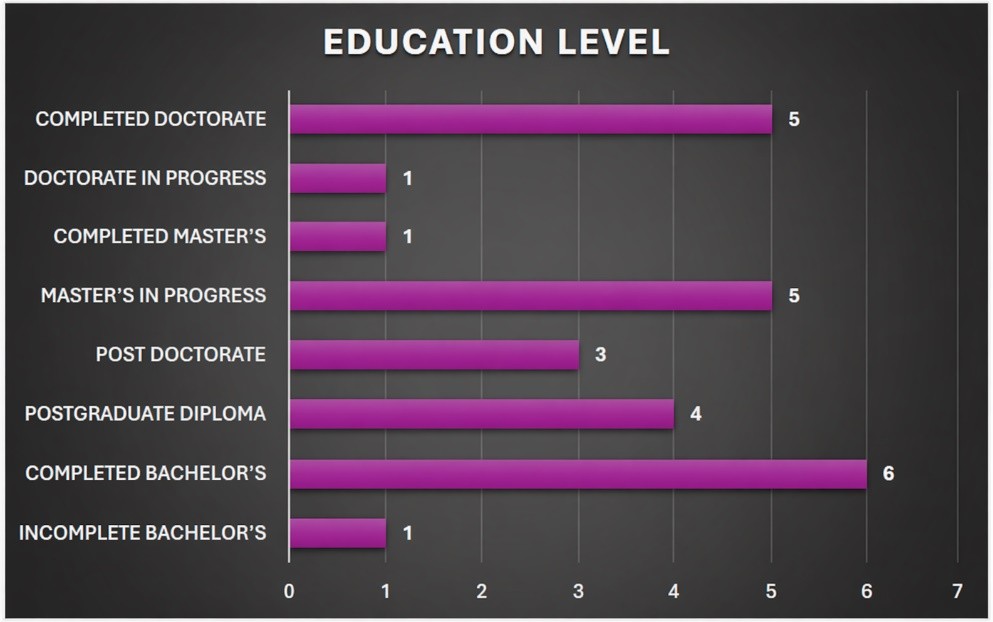
Figure 1: Distribution of respondents by detailed education level
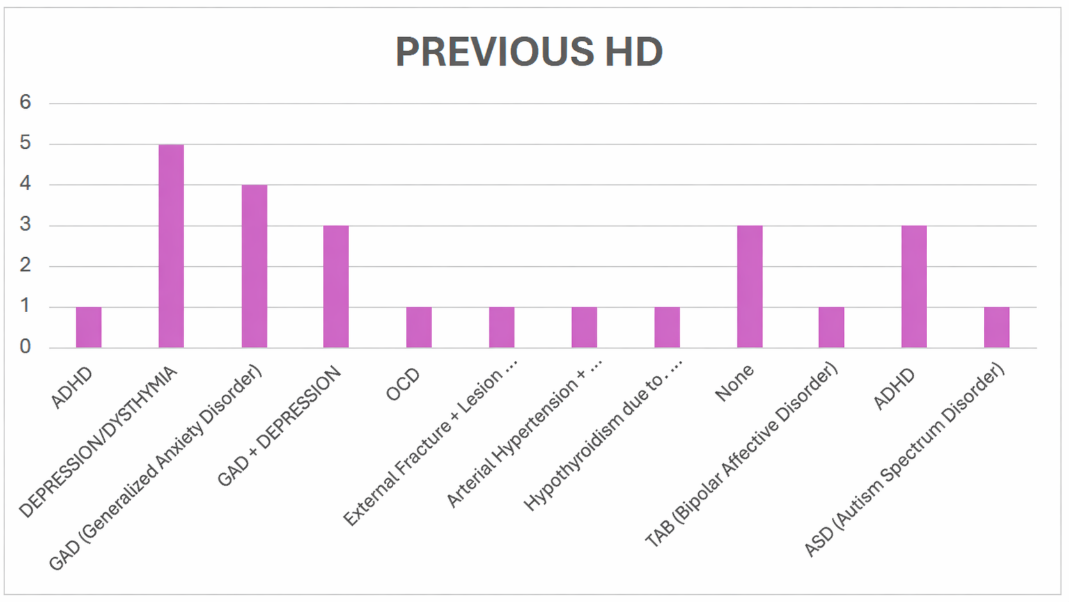
Figure 2: Frequency distribution of participants by previous health diagnoses (HD)
Well-being and Mental Health Indicators
The data reveals a silent mental health crisis within the evaluated group:
|
Indicator |
% (n=26) |
|
Anxiety symptoms |
80.8% |
|
Depression indicators |
73.1% |
|
Use of psychiatric medication |
61.5% |
|
Deficit in social skills |
76.9% |
|
PWD classification (ICF‑based) |
57.7% |
Table 1: Prevalence of Mental Health and Psychosocial Indicators Among Participants
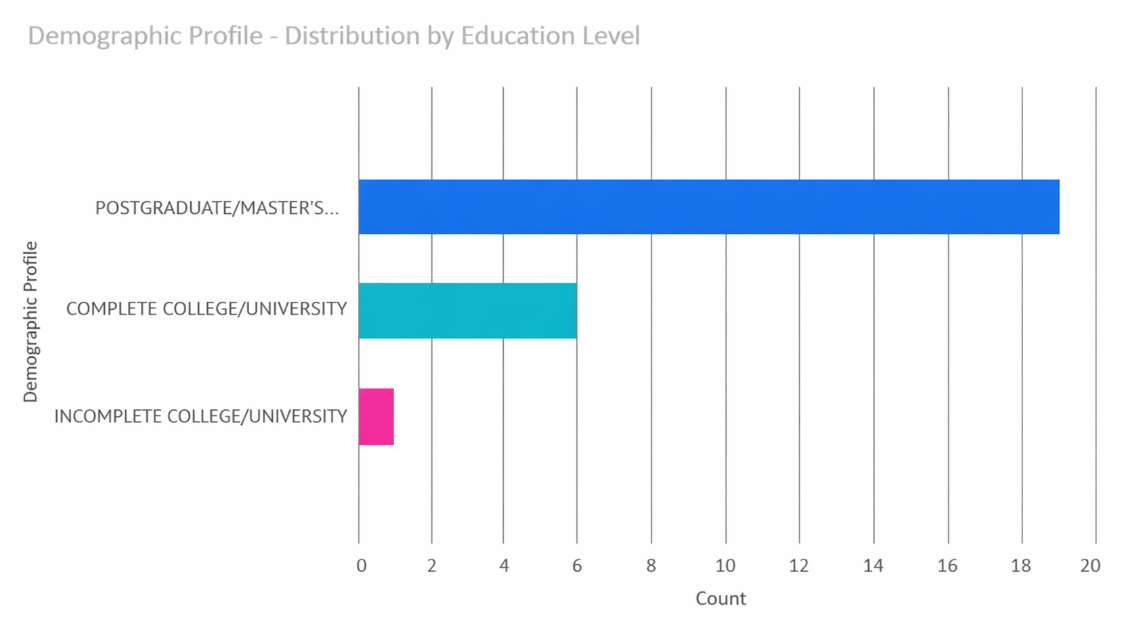
Figure 3: Distribution of participants according to previously diagnosed health disorders (HD)
Despite 73.1% reporting an adequate support network, the levels of mental distress suggest that the work environment may be a primary source of stress or that existing support is insufficient for the labor load.
Socioeconomic Analysis
The group's average remuneration is R$ 7,332.60 (approximately 4.83 minimum wages). Although this value is higher than the national average for PhDs, it is considered inadequate when confronted with two factors: the high cost of living in technological hubs like Campinas-SP and the local market, where salaries are below the floor practiced by other high-tech companies in the region. This wage gap contributes to work frustration, declared by 23.1% of the sample.
Identified Limitations and Restrictions
According to the ICF-based analysis, the main barriers faced are:
Cognitive (42.3%): Difficulties with concentration, attention, and meeting deadlines.
Social (46.2%): Obstacles in interaction, communication, and establishing bonds.
Environmental (50%): Restrictions in dealing with stress, noise, and excessive light (sensory stimuli).
Intervention Proposals
To mitigate the identified risks, the study suggests:
Cognitive Ergonomics: Deadline flexibility and structuring long tasks into smaller steps.
Psychological Support: Implementation of crisis management protocols and facilitated access to therapy.
Sensory Adjustment: Creation of quiet work zones and provision of noise-canceling headphones.
Training: Social skills and non-violent communication training for leaders and subordinates.
The profile of the evaluated employees demonstrates that high intellectual qualification does not protect the individual from psychosocial vulnerabilities. The high rate of PWD classification (57.7%) reinforces the need for an inclusive culture that values neurodiversity and adjusts the environment to the sensory and cognitive needs of professionals. Reviewing salary policies and investing in mental health programs are fundamental steps for talent retention in this scientific hub.
Demográfico, IBGE Censo. "população e domicílios: primeiros resultados." IBGE, Coordenação Técnica do Censo Demográfico (2023).
World Health Organization. "ICF: International classification of functioning, disability and health." In ICF: international classification of functioning, disability and health. 2001.
SEADE. Municipal Profile: Campinas. São Paulo: Fundação SEADE, 2024.