


Md. Ashik Sarder1*, S. M. Arif Mahmud2
1PhD Researcher, Department of Anthropology, University of Dhaka, Dhaka-1000, Bangladesh.
2Professor, Department of Anthropology, University of Dhaka, Dhaka-1000, Bangladesh.
*Correspondence: Md. Ashik Sarder, PhD Researcher, Department of Anthropology, University of Dhaka, Dhaka-1000, Bangladesh. E-mail: ashiksarder15@gmail.com
Received: 15 Oct, 2025; Accepted: 31 Oct, 2025; Published: 14 Nov, 2025.
Citation: Md. Ashik Sarder, S. M. Arif Mahmud. “Ensuring Water Security of Climate Vulnerable Communities in Bangladesh through a Locally Led Adaptation Approach” J Environ Toxicol Res (2025):114. DOI:doi.org/10.59462/3068-3505.2.1.114
Copyright: © 2025 Md. Ashik Sarder, S. M. Arif Mah mud. This is an open-access article distributed un der the terms of the Creative Commons Attribution License, which permits unrestricted use, distribution, and reproduction in any medium, provided the original author and source are credited.
Abstract
Climate change has made the different communities of Bangladesh vulnerable both environmentally and economically. The communities of the Jamuna River areas have also been affected by climate change, and various types of climate-induced impacts, including hazards and disasters, have been influencing the water security and livelihoods of the people living in this area. It is proven that the achievement of the Sustainable Development Goals (SDGs) is not possible without ensuring water security and overcoming the challenges of climate change in vulnerable communities worldwide. To ensure water security, locally led adaptation is now a significant approach that can support vulnerable communities in having water security and make them resilient to climate change. Considering the vulnerability of water security, a study was conducted at two climate vulnerable river-adjacent communities in Bangladesh to reveal how the locally-led adaptation approach under a development programme helped the community people ensure water security. The study was conducted using both qualitative and quantitative methods. The study found that the intensity of climate change has been increasing day by day in the Jamuna river-adjacent areas of Bangladesh. The study found that the locally-led adaptation approach can help the community be adaptive to climate change and overcome water security challenges. The success of the locally-led adaptation of the study is very innovative, sustainable, policy-influencing, and exemplary. This best practice approach can be replicated in other similar geophysical parts of the country and around the globe.
Keywords
Climate Change, Water Security, Locally-led Adaptation, Vulnerable, Sustainable Development.
Introduction
Climate change has affected water security due to glob al warming and the intensity of climatic extremes, thereby hindering efforts to meet Sustainable Development Goals. Current levels of global warming are associated with mod erate risks from increased dryland water scarcity. Roughly half of the world’s population currently experiences severe water scarcity for at least some part of the year due to a combination of climatic and non-climatic drivers. There are effective adaptation options in reducing climate risks for specific contexts, sectors, and regions and contribute posi tively to sustainable development and other societal goals. Drawing on diverse knowledge and partnerships, including with women, youth, Indigenous peoples, local communi ties, and ethnic minorities can facilitate climate-resilient development and has allowed locally appropriate and so cially acceptable solutions [1,2]. “Bangladesh, a highly populated country located on the floodplains of the Ganges-Brahmaputra-Meghna Rivers, receives abundant monsoonal rain which is concentrated between June and September. Rapid population growth, economic growth imperatives, changing farming practices, and the weak coordination of water resource management have increased the gap between the demand and supply of water leading to a water crisis that threatens the stability of the country. It is increasingly being understood that climate change poses a serious challenge for future wa ter resource management in South Asia as a whole and exacerbates existing environmental problems. Sustain able economic development and poverty reduction remain top priorities for Bangladesh, while the effects of climate change and impacts of non-climatic drivers on its water resources affect human activities and settlements, making farmers in rural areas in particular and poor people in gen eral highly vulnerable. Increased water insecurities have the potential to undermine the nation’s development goals, in particular to erode its sustainability”.
However, according to Kirby and Mainuddin [3], “at the na tional level, Bangladesh does not experience water scarci ty but does suffer from low water security due to extreme foods, poor water quality, and transboundary water issues. However, the national picture obscures local and season al water scarcity, which has led to the unsustainable use of groundwater for irrigation in parts of the northwest re gion. Climate change may exacerbate the problems with sustainable use in the northwest14, as will population increase and the increase in demand for food”. On the other hand, when the community people of this area require water for agricultural purposes in the dry season, they do not get enough water as massive changes have occurred in seasonal patterns in this region. Earlier, the people living beside the Jamuna basin could easily get suf ficient agricultural water in the dry season. But now, due to massive seasonal variation as a result of climate change, it is impossible and very costly. This is having negative im pacts on food security among the people in this basin. As a result, communities are facing a lack of safe drinking water and agricultural losses, and they are culturally vulnerable. It is proven that the achievement of the Sustainable Devel opment Goals are not possible without ensuring water se curity and overcoming the challenges of climate change in vulnerable communities around the world. To ensure wa ter security, locally-led adaptation is now a significant ap proach that can support vulnerable communities in having water security and make them resilient to climate change. Because when any type of programme is implemented to make the community resilient to climate change and en sure water security, local stakeholders, local government representatives, local service providers, community rep resentatives and leaders, and private entrepreneurs are involved in the locally led adaptation approach. In recent years, climate change has been acute in the Ja muna River basin, and the people living in the basin have been suffering from severe climatic impacts. Considering the vulnerability of water security, a study was conducted at two climate-vulnerable river-adjacent communities in Tangail district in Bangladesh to reveal how the locally-led adaptation approach under a development programme helped the community people ensure water security. The Tangail is a climate-vulnerable, and flood-affected district of Bangladesh, and the Jamuna, one of the most force ful rivers in the country, flows along the western border of the district. Climate change has a great impact in Tangail District because it is situated in the influence zone of the Brahmaputra-Jamuna River system, which is one of the largest river systems in the world. The temperature and rainfall are increasing day by day as well as flood frequen cy in this district. Recently floods have been occurring more frequently than the previous years. The frequent floods cause damage to lives and rainfall is changing, and the frequency of flood is increasing in Tangail District [4]. If current climate crisis patterns continue, the world is on a pathway to exceed 1.5 degrees Celsius of warming and is likely to exceed 2 degrees Celsius. As a result, mas sive losses and damages will increase, and communities worldwide will suffer more [1]. Bangladesh continues to face severe and growing climate risks, and this country’s cost of climate change is high. By 2050, one-third of the country’s agricultural Gross Domestic Product (GDP) may be lost due to climate variability and extreme events. About 13.3 million people may become internal migrants in the next 30 years due to climate impacts on agriculture, water scarcity, and rising sea levels, with higher effects on women. In the case of severe flooding, GDP could fall by as much as 9 percent. Besides, the costs of environ mental degradation and natural disasters are predicted to rise over time, compounded by higher heat, humidity, and health impacts [5].Considering the vulnerability of water security, a study was conducted at two climate-vulnerable river-adjacent com munities in Tangail district in Bangladesh to reveal how the locally-led adaptation approach under a development programme helped the community people ensure water security. The Tangail is a climate-vulnerable, and flood-af fected district of Bangladesh, and the Jamuna, one of the most forceful rivers in the country, flows along the western border of the district.
The Jamuna is one of the largest rivers in the world and is a trans-boundary river called Brahmaputra in India. ac cording to the world’s river system vulnerability map, the Jamuna River is considered as an extremely vulnerable river because of its braided nature [6]. The forced migra tion due to riverbank erosion (and hence loss of land) in the Jamuna floodplain, and concludes that most people displaced by riverbank erosion are already poor and dis empowered before being uprooted by the shifting chan nels of the Jamuna River. It demonstrates that living with floods has enormous costs and it prevents socio-economic growth in the areas of Jamuna river and household’s ability to cope with flood and river erosion depends on people’s socio-economic and environmental conditions [7]. The study found that context-specific water adaptation op tions were ensured for the communities by a locally-led adaptation approach. As a result, the targeted communi ties coped with the climate change risks and overcame the water security-related challenges.
Locally Led Adaptation
“The “Locally Led Adaptation (LLA)” approach involves the local actors who are at the frontlines of the climate ac tion to reduce the vulnerability of the community members and community resources. The term locally-led adapta tion was first proposed during the United Nations Climate Action Summit in 2019. However, the notion of LLA was embedded almost 20 years ago, to combat the climate crisis with the help of adaptation techniques by the local communities. Locally Led Adaptation keeps the local peo ple at the heart of any decisions by valuing their local and indigenous knowledge. In Bangladesh; community mem bers, community volunteers, private entrepreneurs, local leaders, representatives of local government, and service providers are the frontliners of ensuring locally led adap tation” [8].
“Climate change is a global issue, but its impacts manifest at local levels and are experienced differently according to biophysical, social, and economic variables. Locally led ad aptation is not simply about delivering adaptation benefits at the local level or getting local people to participate in a project. Rather, it is about local people and their communi ties having individual and collective agency over defining, prioritizing, designing, monitoring, and evaluating adapta tion actions, and working with higher levels to implement and deliver adaptation solutions. This helps ensure that adaptation respects cultural practice and ancestral knowl edge and becomes a central part of everyday lives and local institutions. Local adaptation benefits accrue below the lowest administrative unit, in localities, communities, local groups, and households and individuals that share administrative units, shocks, and stresses. At individual and household levels, adaptation actions are likely to be more effective and long-lasting when undertaken in collab oration with other households and individuals [9]. “The Global Commission on Adaptation developed a set of principles, based on over a year of consultations, to strengthen locally-led adaptation over joining with 100 organizations in 2021. The principles of LLA are 1: De volving decision making to the lowest appropriate level, 2: Addressing structural inequalities faced by women, youth, children, disabled and displaced people, indigenous peo ples and marginalised ethnic groups, 3: Providing patient and predictable funding that can be accessed more easi ly, 4: Investing in local capabilities to leave an institutional legacy, 5: Building a robust understanding of climate risk and uncertainty, 6: Flexible programming and learning, 7: Ensuring transparency and accountability & 8: Collabora tive action and investment” [8].
Research Objectives
The objectives of the study are:
To identify how the targeted communities coped with cli mate change risks and overcame water security-related challenges through locally led adaptation.
Study Area
The Kakua Union is 16 kilometers from Tangail Sadar Up azila [10,11]. The study was conducted in the two com-munities of Kakua Union: Daskin Charpouli and Gaoyla Hossain. There were a total of 825 households in the two communities: 425 in Daskin Charpouli and 410 in Gaoyla Hossain (Fieldwork 2023). The communities are located beside the Jamuna River, and every year, most places in this Union are inundated by floods. Besides, some of the areas of this Union face river erosion during this period. The community has been facing a lot of problems and the community faces loss due to floods and other disasters. The people of this Union have very limited livelihood op tions through which they lead their lives and earn money. Most of the people are dependent on agricultural work and day labor.
Water Security and Climate Vulnerability of the Study Community
The impacts of climate change is visible beside the Jamu na River as like as other parts due to natural and anthropo genic reasons. The study areas are usually affected when flood occurs as water comes from upstream and passes through this district. The people living surroundings the Jamuna River are dependent on the natural resources and ecosystem centric of the river. The community people of the Union were mainly dependent on agriculture and products like paddy, wheat, maize, potato, and vegetables. There was no existence of any medium or small-scale in dustry in the Union. Mobility was seen among the com munity people to seek works by going to the other areas
Bangladesh during a specific period of the year. When the community people of this area require water for agricultural purposes in the dry season, they do not get enough water as massive changes have occurred in seasonal patterns in this region. Earlier, the people living beside the Jamuna basin could easily get sufficient agri cultural water in the dry season. But now, due to massive seasonal variation because of climate change, it is impos sible and very costly. This is having negative impacts on food security among the people in this basin. As a result, communities are facing a lack of safe drinking water and agricultural losses, and they are culturally vulnerable.
Material and Methods
The study was conducted using both qualitative and quantitative methods. A survey was done among the 264 households of the two communities based on a 95% con fidence level with a 5% margin of error, and some other Key In-depth Interviews (KII) and Focus Group Discussions (FGD) were conducted to complete the study. Na tional and international documents, policy papers, books, articles, and peer-reviewed documents on water security, climate change, and adaptation issues were reviewed to complete the research.
Results and Discussion
Community Member’s Idea about Climate Change The study found that only 8% of the respondents had ideas about climate change. However, the respondents and community members understand (65%) that climate change has been visible in the last 15 to 20 years in the two communities. The length of the winter season has shortened compared to previous years. The hot weather has been severe for the last 8–10 years (Figure 1).
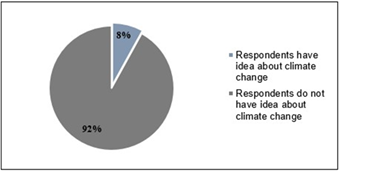
Figure 1: Community Member’s Idea about Climate Change
Data Source: Fieldwork, 2023
Community Member’s Ideas about Water Security Only 9% of the respondents had ideas about water se curity. Due to climate change, the flood tendency has in creased recently compared to previous years. The flood happens almost every year in the community, which has impacts on livelihoods, safe drinking water, the commu nication system, and agriculture. Respondents mentioned that in recent years, it has been seen that unnecessary rainfalls are happening in the winter season, but the farm ers do not get sufficient water for agriculture when they require water for crop cultivation (Figure 2).
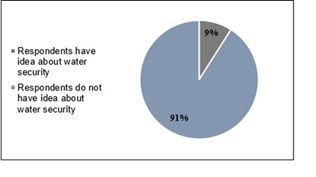
Figure 2: Community Member’s Idea about Water Security
Data Source: Fieldwork, 2023
Community Member’s Idea about Locally-Led Adapta tion
It was found that only 4% of the respondents had ideas about locally led adaptation. The term locally led adpataion was new for them as most of the community members had also little idea about climate change and also adaptation issues. Though the community members had little idea about locally led adaptation, but they can contribute to any type of intervention at the communities if they are engaged, they had mentioned (Figure 3).
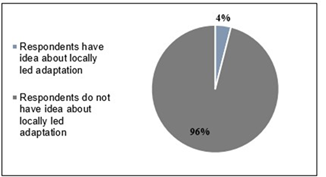
Figure 3: Community Member’s Idea about Locally-Led Adap tation
Data Source: Fieldwork, 2023
Implemented Project in the Communities
A project titled, “Integrated Flood Resilience Programme: Phase Two” was implemented from January 2022 to De cember 2023 in the study area. The project incorporated components like climate change, adaptation, communi ty resilience, water support, livelihoods, shelter, health, small-scale mitigation, community engagement, and ac countability. The programme is strengthening the com munity resilience capacity of the climate vulnerable, and disaster-affected households through a community-led ap proach. The research was done in the two communities of the project area.
Support for Ensuring Water Security for Community Members Considering Climate Change
The community members were sensitized and made aware of climate change and vulnerability, community re silience, and water security through different types of ad vocacy activities, like meetings at the community level. The community members were sensitized to reduce the water security vulnerability derived from climate change through the consultation sessions conducted by district and Upa zila level water experts. Different hardware support, like installing tube wells, and WASH blocks, was established at the two communities. The quality of the community water was tested at the lab to reduce the arsenic, iron, and other detrimental elements in the water.
Initiatives Undertaken on Locally-Led Adaptation in the Communities
The community members got different types of support, like context-specific and climate-resilient water technol ogies, training for managing water options, and aware ness-raising activities with a locally-led adaptation ap proach. To make the community resilient to climate change and ensure water security; local stakeholders, local ser vice providers, community representatives and leaders, and private entrepreneurs were involved in the locally-led adaptation approach. Local government representatives (Union Parishad Members, Chairman, Union Parishad Di saster Management Committee Members, Upazila Disas ter Management Committee Members) were involved in the water related activities implementation process. Com munity members were consulted, and their demands on water support were taken from the micro-groups. A water management committee was formed with the participa tion of community members, and the committee members played a vital role in ensuring water security. Account ability and transparency for community members and targeted stakeholders during programme implementation have been ensured through different types of Community Engagement and Accountability (CEA) activities. A Com plaints Response Mechanism (CRM) was established in the communities so that community members could pro vide their suggestions and feedback to ensure their water security.
Community’s Benefits to Ensure Water Security through “Locally-Led Adaptation” Approach The study found that about 81 percent of the respondents mentioned that locally led adaptations helped ensure water security in their area. About 67 percent of the community members mentioned that they were involved in advocacy and sensitisation issues related to ensuring water man agement. About 70 percent of the respondents mentioned that locally led adaptation had solved the water-related challenges (Figure 4).
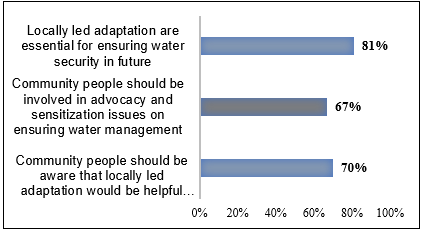 Figure 4: Community’s Benefits to Ensure Water Security through LLA
Data Source: Fieldwork, 2023
Interpretation of Factors
This study identified some factors that can be effective concerning climate change and water security considering the locally-led adaptation in Bangladesh.
Conclusion
Finally, it can be said that the locally-led adaptation ap proach can help the community be adaptive to climate change and overcome water security challenges. Different types of hardware and software support should be provid ed to the communities, which will greatly help them cope with the changing climate. The support should include context-specific water options and a lot of sensitization and advocacy work on climate change, adaptation, and water vulnerability issues. All the initiatives should be un dertaken with a locally-led adaptation approach, and the participation of the community, local representatives, and relevant stakeholders must be ensured. The success of the locally-led adaptation of the study is very innovative, sustainable, policy-influencing, and exemplary. This best practice approach can be replicated in other similar geo physical parts of the country as well as around the globe.
Acknowledgments
For conducting this study the acknowledgments go to the community members for providing the necessary informa tion. Besides, it is acknowledged to the local government representatives and experienced people for helping col lect data for the research. As the locally-led adaptation approach is related to the community members and lo cal government representatives both are acknowledged greatly for their support.
References
Foot Notes
1The Jamuna River is one of the three main rivers of Bangladesh. It is the lower stream of the Brahmaputra River, which originates in Tibet as Yarlung Tsangpo, before flowing through India and then southwest into Bangladesh.
2 An Upazila is an administrative division in Bangladesh, functioning as a sub-unit of a district.