


Rajendra Yonzone*
Department of Botany, Victoria Institution (College), 78-B, Acharya Prafulla Chandra Road, Kolkata – 700 009, West Bengal, India
*Correspondence: Department of Botany, Victoria Institution (College), 78-B, Acharya Prafulla Chandra Road, Kolkata – 700 009, West Bengal, India. E-mail: yonzonebiosystematics@gmail.com
Received: 15 Dec, 2025; Accepted: 22 Dec, 2025; Published: 30 Dec, 2025.
Citation: : Rajendra Yonzone. “Traditional knowledge of Plant species and their mode of preparation as antidote to Food Poisoning by the local Inhabitants in Darjeeling Himalayan regions of West Bengal, India” J Alter Med Ther (2025): 109. DOI: 10.59462/3068-532X.2.1.109.
Copyright: © 2025 Rajendra Yonzone. This is an open-access article distributed under the terms of the Creative Commons Attribution License, which permits unrestricted use, distribution, and reproduction in any medium, provided the original author and source are credited.
Abstract
Darjeeling Himalaya is well known for its diverse range of vegetation, wide diversity of medicinal and aromatic plant resources justifying it as vegetationally one of the richest places in India. The present paper deals with Traditional knowledge of plant species and their mode of preparation as antidote to food poisoning by the local Inhabitants in Darjeeling Himalayan regions of West Bengal, India. Extensive field survey was conducted in the entire areas of Darjeeling Himalayas and collected all the medicinal plant species for herbarium preparation and important information’s regarding food poisoning were collected from local herbal practitioners and old citizens. The 29 plants species from 26 genera belonging to 20 families with their field status, vernacular name (Nepali), plant parts used, antidote to food poisoning, mode of administration, distribution within Darjeeling, general distribution and altitudinal ranges of availability were identified and recorded. Of them, 9 were herbs, 14 were shrubs and the rest 6 were trees. After the thorough investigation of the studied species, 14 species as sparse, 7 frequent, 2 rare, 1 vulnerable and 1 endangered in their habitat in the regions and only 4 plant species were found cultivated although not in commercial scale throughout the region.
Keywords
Traditional knowledge, antidote to food poisoning, Darjeeling Himalayan regions
Introduction
Food poisoning is an illness caused by eating foods that have harmful organisms in them. These harmful germs can include bacteria, parasites, and viruses. They are mostly found in raw meat, chicken, fish, and eggs, but they can spread to any type of food. Food poisoning is a common, usually mild, but sometimes deadly illness. Typical symptoms include nausea, vomiting, abdominal cramping, and diarrhea that occur suddenly (within 48 hours) after consuming a contaminated food or drink. Depending on the contaminant, fever and chills, bloody stools, dehydration, and nervous system damage may follow. These symptoms may affect one person or a group of people who ate the same thing (called an outbreak). Depending on the contaminant, other symptoms such as chills and fever, bloody stools, dehydration, and nervous system damage may follow and can lead to death. It can be cured by the treatment of allopathic drugs in hospital but the treatment of this condition can be done by using only herbs and herbal products by the traditional knowledge of the tribes of Darjeeling Himalaya. Kalo Kapat, Seto Kapat, Kapat or Nas Kapat are the synonyms of food poisoning in Nepali language. Among them Kalo Kapat is very dangerous, infected people fatal death. People of the locality suggest that whenever people go away from the home or native place they must carry antikapat medicine like root stock of Aconitum bisma, A. spicatum etc. [1] safeguard against the Kapat or food poisoning (suggested by every herbal healers of Darjeeling during interaction with them. This believes are vague in Nepali communities. Local people believe that Tuesday and Saturday is the most sensitive day for food poisoning. If unknown person eats something in the home of kapat bearing person in one of these days, it is highly dangerous. It is not poison or contamination of bacteria and protozoa but a living organism lived in the home that is being cared and cultured by the head of the family (as per the faith and superstation in nepali communities). If they live happily in the home, prosperity comes suddenly in home and a poor man can rich man within few month or year. But if they are not satisfied or their demands are not fulfilled by the head of the family, they can eat or inhale the eternal soul and spirit by them and any one of the family members suddenly die without prolonged illness. This is kapat in Darjeeling Himalaya.
The vegetational wealth has a major share of contribution on the economy of a region. In fact, the availability of diverse medicinal plants resources themselves determines the mode and status of living of a man, in the earth as a whole Darjeeling Himalaya is very rich in ethnomedicinal plants diversity resources [2]. It is extended from tropical to alpine areas with warm to chill climatic influence that helps to harbour the wide diversity of medicinal and aromatic plants resources in the region [3]. Many plants are very effective for primary health care for poor and the people living in far flung areas where transport and communication is still stump. Several plants used in different illness and they directly help to cure the disease ailment of the poor patients in one hand and on the other they can help to create livelihood opportunity for many in the rural areas [4].
The study region
Darjeeling Himalayan region is the Northernmost district of the state of West Bengal and an important constituent of Eastern Himalaya [5]. It lies between 26o31’ and 27o31’ North latitude and between 87o59’ and 88o53’ East longitude (Fig 1). It is an irregular triangular in shape covers an area of 3254.7 sq.kms. The Darjeeling district has two topographical features viz., hills and the plains. It has four sub-divisions of which Darjeeling, Kalimpong and Kurseong form the hill areas whereas Siliguri is stationed at the foot hill giving way to vast stretches of the plains. The hilly region covers 2320sq.km. and the remaining 934.75 sq.km. of the area falls under terai and plains. The altitudinal variations of the district range from 150m at Siliguri to 3636m at Sandakphu-Phalut with a sharp physiographic contrast between the plains and the mountainous regions [6]. A trijunction of boundaries of Nepal, Sikkim and West Bengal is formed at the peak of Phalut 3600m above mean sea level.
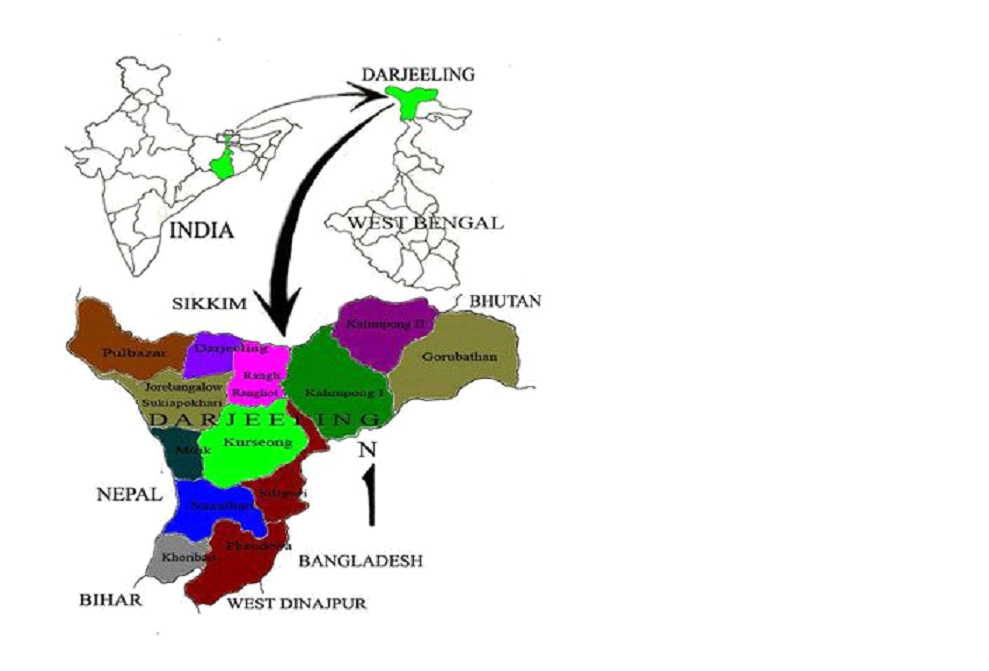 Fig 1: Location of Darjeeling district (study area) of West Bengal, India
There is considerable difference in climate at different altitude of the different segments of the hill areas, which varies climate varies greatly from one place to another. The rainfall varies at different altitudes and hill situations. Overall, it is a high rainfall area. The average rainfall is 2500 to 3400mm of which 80% is received during June to September. The average maximum and minimum temperature range round the year is 200C and ±20C. January is the coldest month when the temperature at Darjeeling often goes down to -50C and May is the hottest month when the temperature reaches to 340C in Teesta river valley of Kalimpong sub-division. The relative humidity also varies from 70 to 80% depending on the locality and season of the year.
The region harbour a more number of plant species with wide range of diversity and distribution. This region was explored by Sir J.D. Hooker 1848-49, and mentioned in his work Flora of British India. He was followed by many other botanists who explored the region. Some botanists have contributed the major report in medicinal plants of Darjeeling and Sikkim regions [7]. Herbal healing and use of herbal medicinal plants are very popular among the different ethnic races of Darjeeling Himalaya like Lepcha, Sherpa, Bhujel and Gurung are the pre-inhabited ethnic group and other ethnic group are Yolmo, Limbu, Tamang, Newar/ Pradhan, Rai/ Khambu, Manger/ Thapa and Mukhia [8]. Present investigation is focused on the use of different traditional medicinal plant species for the treatment of food poisoning in the region. All the traditional medicinal information like herbal medicine preparation, doses and uses for food poisoning are collected through interviews from Herbal healers, Baidhang, senior resourceful citizens, Spiritual healers like Bijuwa, Bungthing, Jhankri/Dhami, Phedangma, Bhagawati, Lama and Priests of all ethnic groups of the study area of Darjeeling district.
Materials and Methods
All the traditional medicinal informations are collected through interviews from senior resourceful citizens, school teachers, herbal practioners, spiritual healers like Jhankri, Dowa, Mangpa, Dhami, Bijuwa, Bungthing, Mata, Vendors, Bhagawati, Phedangma, Bonbo, Puimbo, Ghyapring, Dolma, Lama and Priests of all ethnic groups and the interview with medicine women and Bungthing (Plate 1). A questionnaire had been prepared for collection of relevant information and questions were asked to more than three persons in order to confirm the authenticity of the collected information. Here the ethnic groupwise community head/medical practioner and speciality of the groups are presented. Group discussion was also arranged with the informants in local language. Villages were selected based on the various altitude levels to cover all available plant types of the district. The field survey work was started in June 2007 till August 2011 covering all the far-flung villages of entire Darjeeling district. As per the suggestion of interviewed people and the literatures, all the traditional medinical plant species were collected during flowering times covering all the seasons of the year without uprooting and disturbing them in the nature (Plate 2,3). The collected specimens were worked out in the field and treat in blotting paper and pressed. Necessary photographs were collected. Herbarium preparation, identification and documentation work was done in the Taxonomy and Ethnobiology Research Laboratory and further confirmation was made by senior taxonomist of Cluny Women’s College, Kalimpong. The aim of the present investigation is to find the status, diversity resources of ethnomedicinal plants and to record the usefulness of such plants by local inhabitants as antidote against food poisoning in Darjeeling Hills.
 Plate 1: Traditional healers of the region. 1. Bir Bahadur Subba, 2. Susma Subba, 3. Santabir Lepcha, 4. Pemdeki Sherpa, 5. Kundup Lepcha, 6. Northen Lepcha, 7. Sangay Sherpa, 8. Shila Pakhrin, 9. Sarad Thapa (Chettri).
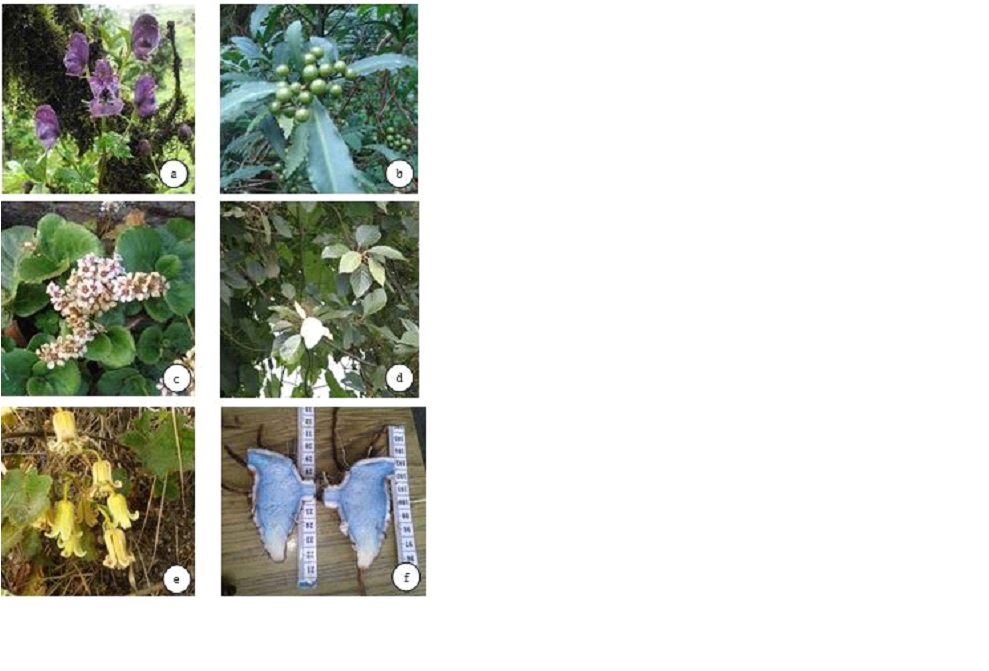 Plate 2: Ethnomedicinal plant species. a. Aconitum bisma (Buch.-Ham.) Rapaics, b. Ardisia macrocarpa Wall, c. Bergenia ciliata (Haworth) Sternberg, d. Callicarpa vestita Wall. ex Clarke, e. Clematis buchananiana DC, f. Curcuma zedoaria (Berg.) Rosc.
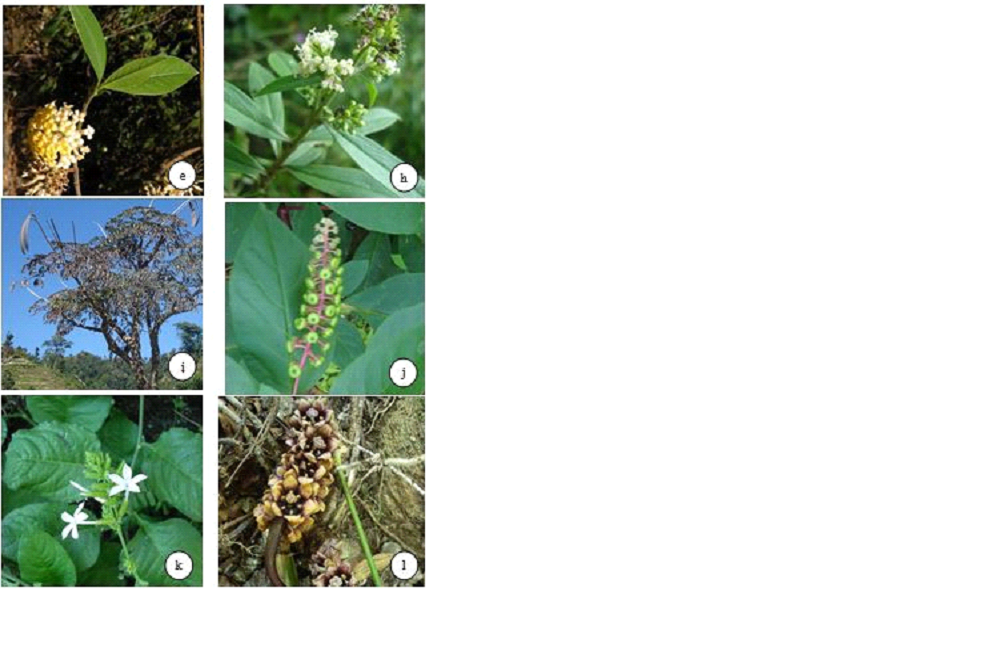 Plate 3: Ethnomedicinal plant species. g. Daphne bholua D. Don, h. Hedyotis scandens Roxb., i. Oroxylum indicum (L.) Vent., j. Phytolacca acinosa Roxb., k. Plumbago zeylanica L., l. Tupistra nutans Wall. ex Lindl.
Results and Discussion
After two years of total field survey and literature survey, a total of 29 plants species from 26 genera belonging to 21 families with their uses for the treatment of food poisoning in the study area were identified. Ranunculaceae is the largest family with 3 species and 2 genera followed by thymelacaceae with 3 species from 2 genera; apocynaceae with 2 species from 2 genera; hypericaceae with 1 genera from 2 species; liliaceae with 2 genera from 2 species; rubiaceae with 2 genera from 2 species; verbenaceae with 2 genera from 2 species and the other 13 families possess single species with single genera in utility (Fig 2). Of these, 9 are herbs, 14 are shrubs and the rest 6 are trees (Fig 3), (Table 1). The dicots are found to be most dominant over the monocots. It is also found that most of the plant species used for food poisoning are used for more than one purpose. This study reflects the rich traditional knowledge of the different ethnic communities of Darjeeling district, which has the potential for wider application for the benefit of mankind.
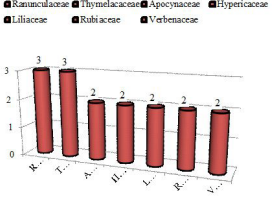 Fig 2: Distribution of highest genus with families
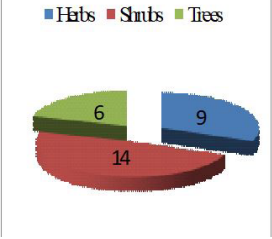 Fig 3: Distribution of plant species in Darjeeling Himalaya
| Sl. No. | Botanical name, family, habit and habitat | Local name, Status, Flowering & fruiting | Local distribution with altitudinal ranges | General distribution | Part (s) used | Methods of preparation, dose and administration |
| 1 | Abrus precatorius L. Fabaceae, Slender climber, Terrestrial | (Lalgeri). | Sevoke forest, Kalijhora, Birik forest (300-700m) | Tropical and Subtropical Africa, Asia, Australia, Pacific Island. | Root | Decoction prepared from freshly collected roots (about 50-100ml) is administered orally once a week about 8-10 days. |
| Sparse, | ||||||
| September–December. | ||||||
| 2 | Aconitum bisma (Buch. -Ham.) Rapaics Ranunculaceae, | (Bikhuma / Seto bikhuma). Endangered, | Bikheybhanjang, Tonglu, Moley | Himalaya (Garhwal-Arunachal Pradesh), S. Tibet & China | Root | Both fresh and dry swollen roots are used as medicine. Small pieces of roots administered orally in an empty stomach. Treatment can be followed regularly for 1 week. |
| Perennial erect herb, Terrestrial | August-November | |||||
| 3 | Alstonia neriifolia D. Don Apocynaceae, | (Singaure). Frequent, | Gorubathan, Bagrakot, Rambi, Kalijhora (200-900m) | E. Himalaya (E. Nepal-Bhutan) | Latex | 6-8 drops of latex mixed with 150-200ml of water and administered orally twice a day about two weeks. |
| Shrub, Terrestrial | April-December. | |||||
| 4 | Ardisia macrocarpa Wall. Myrsinaceae, | (Damai phal). Frequent, | Dello hill, Kaffer, Neora valley, Peshok, Algarah, Kurseong (100-2500m) | Himalaya (Kumaon-Arunachal Pradesh), Meghalaya. | Root | Decoction prepared from fresh roots and (about 10-20ml) is administered orally once a day about 6-7 days. |
| Stout shrub, Terrestrial | May-December | |||||
| 5 | Belamcanda chinensis (L.) DC. Iridaceae, | (Tarware phul). Sparse, | Kalimpong, Algarah, Pedong, Peshok (800-2100m) | E. Himalaya, Native of China & Japan. | Tap root | Decoction prepared from fresh tap root is administered orally once a day about two weeks. |
| Terrestrial herb, Terrestrial | September-February | |||||
| 6 | Bergenia ciliata (Haworth) Sternberg. Saxifragaceae, | (Pakhan bet). | Manaybhanjang, Rimbik, Takdah, Dell hill, Lava, Kaffer (900-2300m) | Afghanisthan, Himalaya (Kumaon-Bhutan), S. Tibet, Meghalaya. | Stem & leaves | Fresh stem and leaves decoction (about 200-300ml) administered orally in an empty stomach once a day about two weeks. |
| Herb, Terrestrial | Planted, February-July | |||||
| 7 | Callicarpa vestita Wall. ex Clarke. Verbenaceae, | (Guyenlo)Sparse, | Kalijhora, Gorubathan, Najok forest, Teesta river valley (200-1400m) | Himalaya (Nepal-Bhutan) | Stem bark | Fresh stem bark is mixed with stem bark of Schima wallichii and stem of Ampelocissus barbata crushed and filtered juice is administered orally once a day about 5-6 days. |
| Evergreen tree, Terrestrial | April-November | |||||
| 8 | Campylandra aurantiaca Baker. Liliaceae, | (Nakima). Frequent, | Lava, Neora Valley, Senchel (1600-2600m) | E. Himalaya (Nepal-Bhutan), Assam, Meghalaya, W. China. | Root | Both fresh and dry root pieces administered orally. Decoction of the roots can be taken orally once a day about 8-10 days. |
| Perennial herb, Terrestrial | October-June | |||||
| 9 | Cephaelis ipecacuanha (Brot.) A. Rich. Rubiaceae, | (Ipecac). Planted, | Mungpoo herbal garden (450-900m) | Native of S. America specially Brazil | Root | Fresh roots decoction (about 100-200ml) is administered orally once a day about 15-20 days. |
| Herb, Terrestrial | April-October | |||||
| 10 | Clematis grewiiflora DC. Ranunculaceae, | (Pinase lahara). Rare, | Nim Busty, Kafer, Samthar, Kagay, Peshok | Himalaya (Nepal-Arunachal Pradesh), Meghalaya, N. Myanmar, China. | Root | Decoction of fresh roots filtered and administered orally. Treatment can be followed till one week. |
| Woody climber, Terrestrial | October-April | |||||
| 11 | Clematis buchananiana DC. Ranunculaceae, | (Pinase lahara). Vulnerable, | Kalijhora, Gorubathan, Nim busty, Kurseong, Algarah, Mungpoo | E. Himalaya (Nepal-Bhutan), Myanmar, S.E. Tibet, S.W. China, Malaysia. | Root | Decoction of fresh roots filtered and administered orally. Treatment can be followed till one week. |
| Woody climber, Terrestrial | October-March | |||||
| 12 | Curcuma zedoaria (Berg.) Rose Zingiberaceae, | (Haledo). Planted, | Nimbong, Algarah, Relli-Pala, River Teesta valley, Peshok, Kurseong (200-1400m). | E. Himalaya (Nepal-Bhutan). | Rhizome | Both fresh and dry rhizome pieces administered orally in case of food poisoning. Decoction of fresh rhizome mixed with flower of Tagetes patula, bark of Schima wallichi and filtered and (about150-200ml) administered orally in an empty stomach. |
| Rhizomatous herb, Terrestrial | April-November | |||||
| 13 | Daphne bholua D. Don Thymelaeaceae, | (Argale). Frequent, | Neora Valley, Lava, Kalpokhari, Sandakphu (2400-3600m) | Himalaya (Nepal-Bhutan), Arunachal Pradesh, Meghalaya, W. China. | Root | Decoction prepared from the fresh roots (about 150-200ml) is administered orally once a day about 5-6 days. |
| Deciduous shrub, Terrestrial | January-September | |||||
| 14 | Daphne involucrata Wall. Thymelaeaceae, | (Sano argale). Sparse, | Lava, Takdah, Manaybhanjang, Rimbik, Bagora (1200-2500m). | E. Himalaya (Nepal-Bhutan), Meghalaya, S.W. China. | Root | Decoction prepared from the fresh roots (about 200ml) is administered orally once a day about one week. |
| Semideciduous shrub, Terrestrial | November-June | |||||
| 15 | Edgeworthia gardneri (Wall.) Meisner. Thymelaeaceae | (Kagate). Status: Sparse | Rimbik, Lava, Takdah, Pedong (100-2400m) | (Nepal-Bhutan), Meghalaya, N. Myanmar, W. China. | Root | Both fresh and dried root are crushed and the filtered juice (about 100-150ml) is administered orally twice a day about two weeks. |
| December-July. | ||||||
| 16 | Euphorbia royleana Boissier. Euphorbiaceae, | (Shionri). Sparse, | Bijanbari, Mungpoo, Teesta River Valley (300-1300m) | Himalaya (Kumaon-Bhutan). | Latex | 3-5 drops of latex dissolved in 100-150ml water and orally administered about 8-10 days. |
| Erect succulent shrub, Terrestrial | March-July | |||||
| 17 | Gmelina arborea Roxb. Verbenaceae, | (Khamari)Frequent, | Gorubathan, Kalijhora, Latpanjar, Jholung (150-1100m) | Himalaya (Nepal-Bhutan), India, Sri Lanka, Philippines. | Bark | Freshly collected stem bark is crushed and the filtered juice (about 100-200ml) is administered orally once a day about two weeks. |
| Deciduous tree, Terrestrial | February-July | |||||
| 18 | Hedyotis scandens Roxb. Rubiaceae, | (Bakhri lahara). Sparse, | Relli-Pala, Kaffer, Mangmaya, Peshok, Phaperkhati (500-1100m) | Himalaya (Nepal-Bhutan) Meghalaya, Myanmar, China. | Root | Freshly collected roots wash and crushed and the filtered juice (about 100-200ml) is administered orally once a day about 8-10 days. |
| Climber, Terrestrial | September-March | |||||
| 19 | Hypericum choisianum Wall. ex N. Robson. Hypericaceae, | (Mahendi phul). Sparse, | Rimbik, Rammam, Tonglu, Jalpahar (1800-3100m) | Pakistanm, Himalaya (Kashmir-Sikkim), Bhutan, S. China. | Leaves & shoots | Filtered juice prepared from fresh leaves and shoots (10-20ml) is administered orally twice a day about 10-15 days. |
| Bushy shrub, Terrestrial | June-December | |||||
| 20 | Hypericum uralum Buch. -Ham. ex D. Don Hypericaceae, | (Urilo). Sparse, | Kaffer, Lava, Neora, Rimbik, Dhotray (1100-2900m) | Himalaya (Kashmir-Bhutan), Myanmar, Thailand. | Shoot | Decoction prepared from freshly prepared young shoots (about 10-20ml) is orally administered in an empty stomach upto 7-8 days. |
| Branched shrub, Terrestrial | June-December | |||||
| 21 | Murraya paniculata (L.) Jack. Rutaceae, Tree, Terrestrial | (Bajardanthi). Sparse, | Kalijhora forest, Guling forest, Najok, Samsing, Kumai (300-800m) | India, Sri Lanka, Indo-China, Malaysia, Konkan and Western Ghats. | Root | Both fresh and dry roots crushed and filtered juice (100-150ml) is administered orally in an empty stomach about one week. |
| March-January | ||||||
| 22 | Oroxylum indicum (L.) Vent. Bignoniaceae, | (Totola). Frequent, | Gurubathan, Nim busty, Rambi, Relli Pala, Teesta river valley, Latpanjar 250-1100m | Tropical Himalayas, India, East to Malaysia, W & S. China. | Bark & seeds | Fresh stem bark and seeds are crushed and filtered juice (about 150-200ml) is administered orally twice a day about 8-10 days. |
| Small tree, Terrestrial | April-March | |||||
| 23 | Plumbago zeylanica L. Plumbaginaceae | (Seto chetu). Rare, June-December | Kumsi forest, Algarah, Nimbusty, Bijanbari, Kurseong (800-1100m) | Tropical Asia, Tropical Africa | Latex | Few drops (8-10) of latex mixed with 200-250ml of water and administered orally once a day about one week. |
| Shrub, Terrestrial | ||||||
| 24 | Plumeria rubra L. Apocynaceae, | (Rukh chuwa / Baramassey). Planted | Kalijhora, Gorubathan, Bagrakot (200-1100m) | Native of Tropical America | Latex | 5-10 drops of latex mixed with 100-200ml water and administered orally twice a day about one week. |
| Deciduous tree, Terrestrial | ||||||
| 25 | Phytolacca acinosa Roxb. Phytolaccaceae, | (Jaringo). Sparse, | Relli Pala, Soreng, Sittong, Pedong, Nim Busty (500-1600m) | Himalaya (Kashmir-Bhutan), Assam, W. China. | Root | Decoction prepared from the fresh tap root (about 150-200ml) is administered orally in an empty stomach about two weeks. |
| Erect glabrous herb, Terrestrial | May-November | |||||
| 26 | Rubus lineatus Blume, Rosaceae, | (Ghampe ainselu). | Neora Valley, Rachela, Dhotrey, Rammam, Tonglu (1900-2900m) | E. Himalaya (Nepal-Bhutan), Assam, Myanmar, China, Malaysia. | Root | Fresh roots decoction intake orally for 3-4 days. |
| Scrambling shrub, Terrestrial | Frequent, | |||||
| April-October | ||||||
| 27 | Toona sureni (Blume) Merrill. Meliaceae | (Aulay tooni). | Sevok, Kalijhora, Bagrakot, Gorubathan, Najok forest 300-1500m | Himalaya (Nepal-Bhutan), Assam to W. China, Malaysia. | Root | Fresh roots decoction (about 50-100ml) is administered orally once a day about 5-6 days. (Villagers believe that the roots without scar can cure the ailment easily and faster otherwise it is difficult to cure). |
| Tree, Terrestrial | Sparse, July-December | |||||
| 28 | Tupistra nutans Wall. ex Lindl. Liliaceae, | (Nakima). Sparse, | Nim Busty, Todey, Mungpoo, Sittong (400-2500m) | E. Himalaya (Nepal-Sikkim), Meghalaya. | Root | Both fresh and dry root pieces administered orally. Decoction (about 100-150ml) of roots can be administered orally once a day in an empty stomach about one week. |
| Rhizomatous herb, Terrestrial | June-December | |||||
| 29 | Viola glaucescens Oudemans. Violaceae, | (Jhar) | Rimbik, Rammam, Manaybhanjang, Bagora, Lebong (1100-3200m) | E. Himalaya (Kashmir-Bhutan), Meghalaya, Nagaland. | Root | Decoction prepared from the fresh roots is used as emetic. |
| Prostrate herb, Terrestrial | Sparse, March–July |
Table 1: List of Plant species with updated botanical names, family, habit, habitat, local names, availability status, flowering and fruiting, local distribution with Darjeeling Himalaya, General distribution, parts used, methods of preparation, dose and administration
The data collected by the authors are listed with alphabetical orders of plants name, family, uses against different ailments. The lingua franka of the major inhabitants of research area is Nepali. Therefore, local name of all these plant species mentioned in Nepali language for easy identification in the field for those who would take up the studies later. The threat status of the plant species has been analyzed by visual observation during the field survey. It was found that, 14 plant species were found as sparse, 7 were frequent, 1 vulnerable, 2 were rare, 1 endangered in their habitat and 4 plant species were found cultivated or planted throughout the district (Fig 4). This field status studies is first of its kind in the study area and the finding on treat status of the investigated plant species is suggested as per our investigation in the field. Majority of these medicinal plants are available in wild habitat. Some medicinal plants facing high risk of disappearance because of ignorance, indiscriminate collection, forest fire, landslides, urbanization, and construction of dams and clearing of forest for agriculture lands and commercial plantation of trees like pine by West Bengal forest development corporation for commercialization of forest resources which is very harmful in terms of diversity and conservation of plant and annual species of the region. Therefore, conservative measures are necessary for a sustainable utility of these plant species in the regions. The monoculture of Pine reduces the available plant diversity. The local species of trees harvours varieties of other plants both as parasites and also by allowing them to grow in the surrounding which is denied under pine forest that secretes a type of acid which inhabits the growth of any type of plants under them that are not only used as medicinal plants but they also serve as food source and shelter to the birds and wild animals of the region. It was found during the interview of respondants that considering these facts, locals had pretested commercialization of Pine in Darjeeling hills but the Government of West Bengal continued with its commercialization of forest resources same 30 years back that resulted in permanent loss in quantum of hundreds of plant species including orchids,medicinal plants and it also resulted in migration of birds and wild animals in search of better shelter and food for living. Potentiality of different medicinal plants varies from plants to plants, and parts to parts (root, shoots, bark, stem, leaves, fruit, seed, latex etc.) depend upon their phytochemical’s properties.
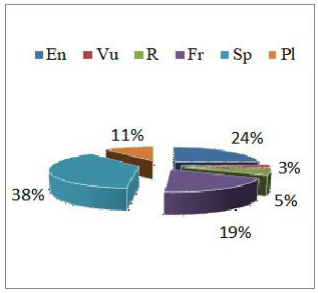 Fig 4: Status of studied plant species in Darjeeling Himalaya Abbreviation used: En=endangered, Vu=Vulnerable, R=Rare, Fr=Frequent, Sp=Sparse and Pl=Planted
Conclusion
The traditional knowledge regarding the efficacy of medicinal plant species has been very useful to treat many disease ailments for the people of all the ethnic communities. In Darjeeling, all the remote rural areas are not directly connected with motor vehicle roads. Nearest medical facilities are not accessible to many villagers of far-flung areas and they cannot afford due to financial constraints and many other reasons. Therefore, willingly and unwillingly they have to depend or turn towards local herbal medicines to cure diseases affecting them. The studied region is very rich in floristic diversity resources with good ethnobotanical knowledge and practices existing among the different ethnic communities. But at present traditional knowledge and many indigenous medicinal plant species like Aconitum bisma, A. spicatum, Nardostachys jatamansi, Neopicrorhiza scrophulariiflora, Panax pseudoginseng var. angustifolius and var. bipinnatifidus, Podophyllum sikkimense, Swertia chirayita, Taxus baccata, Viscum album, Rouvolfia serpentina, Stephania glabra endangered species and Gymnadenia orchidis is critically endangered and facing the major threat of extinction in natural habitat in the study region because of random developmental projects, unplanned urbanization, deforestation, cross pollination disturbances, increase of cultivable lands, animal grazing, frequent landslides, top layer soil erosion, indiscriminate collection, lack of awareness for conservation through government departments, policy makers and non government organizations. Therefore, it is very important to take necessary steps for the conservation and sustainable use of these valuable plant species in the region. Because people of different ethnic groups enumerated directly depend on indigenous herbal medicines. If these plant species extinct or their availability decreases in the region, who depend on them as medicinal source will face trouble in their health security and finally they will die. So, protection or conservation of traditional medicinal plant species is to save the ethnic communities in the region and those species used by the local people, there is need for taking up pharmaceutical investigation to prove their efficacy, value addition and popularization of herbal medicine for the effective treatment of different diseases.
Acknowledgements
The author is grateful to Dr. R.B. Bhujel, who selects me Project Scientist in the research project of Medicinal and Aromatic Plants of Darjeeling District founded by West Bengal State Council of Science and Technology, Bikash Bhavan, Salt Lake, Kolkata. I am thankful to local inhabitants and herbal healers who willingly provided the information and cooperated with me throughout the field survey work.
References
1. Yonzone, G. S., P. Bharati, B. Yonjan, and R. B. Bhujel. “Ethnomedicinal plants of Dar jeeling-Sikkim Himalayas.” (1988): 193-202.
2. Bhujel, Rambahadur. “Studies on the dicotyledonous flora of Darjeeling district.” PhD diss., University of North Bengal, 1996.
3. Yonzone G S, Yonzone K N and Tamang K K. et al. Medicinal plants of Darjeeling district. Journ. Eco. Tax. Bot. 5 (3): 605-616. Jodhpur (1984).
4. Rai, P. C., A. Sarkar, R. B. Bhujel, and A. P. Das. “Ethnobotanical studies in some fringe areas of Sik kim and Darjeeling Himalayas.” (1998): 12-21.
5. Rajendra, Yonzone, and R. B. Bhujel. “Medicinal and aromatic plants of Darjeeling district and documenta tion of status habitat and local uses of the plant spe cies, project report.” Kalimpong, Darjeeling, India: WB SCST, Kolkata and Cluny Women’s College (2009).
6. Bhujel, R. B., K. K. Tamang, and G. S. Yon zone. “Edible wild plants of Darjeeling district.” J. Bengal Nat. Hist. Soc 3, no. 1 (1984): 76-83.
7. Biswas, Kalipada. “Common medicinal plants of Darjeeling and the Sikkim Himalayas.” (1956).
8. Rai, S. K., and R. B. Bhujel. “Wild medicinal plants in the eastern Himalaya-conservation and propagation aspects.” The Hill Hort. News 2, no. 3 (1997): 2-5.