


Sibi Das*
Department of Medicine, NC Medical College, Israna, Panipat, Haryana, India
*Corresponding Author:
Sibi Das
NC Medical College, Israna, Panipat
Haryana, India.
E-mail: sdsilvanose@gmail.com
Received:14 May 2026; Accepted:27 May 2026; Published:03 June 2026
Citation: Sibi Das. “Vitamin B12 Deficiency in Patients with Type 2 Diabetes Mellitus on Long-Term Metformin Therapy: Implications for Glycemic Control and Diabetic Neuropathy” J Diabet Clin Endocrinol (2026): 108. DOI: doi.org/10.59462/JDCE.3.1.111
Copyright: © 2026 Sibi Das. This is an open-access article distributed under the terms of the Creative Commons Attribution License, which permits unrestricted use, distribution, and reproduction in any medium, provided the original author and source are credited
Abstract
Type 2 Diabetes Mellitus is a major global health challenge associated with substantial morbidity and mortality due to chronic metabolic derangements and vascular complications. Metformin remains the most widely prescribed first-line oral antidiabetic agent because of its efficacy, safety profile, and cardiovascular benefits. However, prolonged metformin therapy has increasingly been associated with Vitamin B12 deficiency. Vitamin B12 plays a critical role in DNA synthesis, erythropoiesis, myelin formation, and neurological function. Deficiency may lead to anemia, peripheral neuropathy, cognitive dysfunction, and worsening diabetic complications. Emerging evidence suggests that Vitamin B12 deficiency may also be associated with poor glycemic control and progression of diabetic neuropathy. Since neuropathic manifestations of Vitamin B12 deficiency often overlap with diabetic neuropathy, delayed recognition may contribute to irreversible neurological damage. This review discusses the prevalence, pathophysiology, risk factors, clinical manifestations, diagnostic evaluation, and therapeutic implications of Vitamin B12 deficiency in patients with Type 2 Diabetes Mellitus receiving long-term metformin therapy, with particular emphasis on glycemic control and diabetic neuropathy.
Introduction
Type 2 Diabetes Mellitus (T2DM) is one of the most prevalent chronic metabolic disorders worldwide and is characterized by insulin resistance and progressive pancreatic β-cell dysfunction resulting in chronic hyperglycemia. Long-standing hyperglycemia contributes to microvascular and macrovascular complications including diabetic neuropathy, nephropathy, retinopathy, and cardiovascular disease. Metformin is recommended as the first-line pharmacological therapy for T2DM due to its effectiveness in improving insulin sensitivity and reducing hepatic glucose production [1]. Although metformin is generally considered safe and well tolerated, long-term therapy has been associated with reduced serum Vitamin B12 levels [2,3].
Vitamin B12 deficiency has emerged as an important but often underrecognized complication in diabetic patients receiving prolonged metformin therapy [4]. The clinical significance of this deficiency is particularly important because neurological manifestations may mimic or exacerbate diabetic neuropathy. Additionally, several studies have suggested an association between low Vitamin B12 levels and poor glycemic control [5,6]. Given the widespread use of metformin and the increasing prevalence of diabetes, recognition of Vitamin B12 deficiency has important implications for clinical practice [7].
Physiology and Functions of Vitamin B12
Vitamin B12 (cobalamin) is a water-soluble vitamin essential for:
Dietary Vitamin B12 is mainly derived from animal-based foods including meat, fish, eggs, and dairy products. Following ingestion, Vitamin B12 binds to intrinsic factor produced by gastric parietal cells and is absorbed in the terminal ileum through calcium-dependent receptor-mediated uptake [4].
Vitamin B12 functions as a cofactor for:
Deficiency results in impaired DNA synthesis and accumulation of homocysteine and methylmalonic acid, contributing to hematological and neurological abnormalities [4].
Metformin and Vitamin B12 Deficiency
Metformin-associated Vitamin B12 deficiency is now recognized as a significant and increasingly prevalent clinical problem among patients with Type 2 Diabetes Mellitus [2-4]. Since metformin is the most widely prescribed first-line oral antidiabetic drug worldwide, understanding its long-term metabolic effects has become clinically important. Although metformin is generally considered safe and effective, prolonged therapy has consistently been associated with reduced serum Vitamin B12 levels and biochemical deficiency [2,3].
The most widely accepted mechanism of metformin-induced Vitamin B12 deficiency involves interference with calcium-dependent absorption of the intrinsic factor–Vitamin B12 complex in the terminal ileum [8]. Under normal physiological conditions, Vitamin B12 binds to intrinsic factor secreted by gastric parietal cells, and the complex is absorbed in the terminal ileum through receptor-mediated endocytosis. Metformin is believed to alter membrane calcium availability, thereby impairing the uptake of the intrinsic factor–Vitamin B12 complex by ileal receptors [8]. This mechanism is supported by studies demonstrating partial reversal of Vitamin B12 malabsorption following calcium supplementation [8].
Several additional mechanisms have also been proposed. Metformin may alter intestinal motility, leading to delayed intestinal transit and subsequent small intestinal bacterial overgrowth [4]. Excess bacterial proliferation may increase bacterial consumption of Vitamin B12 and further reduce its bioavailability. Some studies also suggest that metformin may alter intrinsic factor activity or interfere with cubilin receptor function involved in Vitamin B12 uptake in the ileum [4]. Furthermore, chronic metformin therapy may influence enterohepatic circulation of Vitamin B12 and contribute to gradual depletion of hepatic Vitamin B12 stores [4].
The risk of Vitamin B12 deficiency is influenced by several factors. Longer duration of metformin therapy is one of the strongest predictors of deficiency, with studies showing progressively lower Vitamin B12 levels after several years of treatment [2,9]. Higher cumulative metformin dose has also been associated with greater risk [5,9]. Elderly individuals are particularly susceptible because of reduced dietary intake, impaired gastric acid secretion, and decreased intestinal absorption associated with aging. Vegetarian dietary habits, common in certain populations, may further predispose diabetic patients to deficiency due to lower intake of animal-derived Vitamin B12 sources [10]. Concomitant use of proton pump inhibitors or H2 receptor blockers may additionally impair Vitamin B12 absorption by reducing gastric acid secretion required for release of Vitamin B12 from food proteins [4].
Vitamin B12 deficiency in patients taking metformin may remain unnoticed for long periods because liver stores are large and decline slowly. Over time, however, it can cause hematological abnormalities, neuropathy, cognitive impairment, and neuropsychiatric symptoms [4]. This is particularly important because neuropathy due to Vitamin B12 deficiency can resemble diabetic peripheral neuropathy, increasing the risk of underdiagnosis or delayed diagnosis.
Several observational studies and randomized clinical trials have demonstrated a significant association between long-term metformin therapy and reduced Vitamin B12 levels [2,3,5,11]. Reported prevalence rates of Vitamin B12 deficiency among metformin-treated diabetic patients range from approximately 10% to 30%, although some studies have reported even higher rates depending on population characteristics and diagnostic criteria used [6,10,11].
Key clinical trials and studies evaluating Vitamin B12 deficiency in Type 2 Diabetes Mellitus patients receiving metformin therapy are summarized in Table 1.
|
Author / Year |
Study Title |
Study Design |
Key Findings |
|
DeFronzo et al., 1995 |
EAect of Metformin on Glycemic Control |
Clinical trial |
Established metformin as first-line therapy in T2DM with good glycemic eAicacy |
|
Bauman et al., 2000 |
Increased Intake of Calcium Reverses Vitamin B12 Malabsorption Induced by Metformin |
Interventional study |
Demonstrated metformin interferes with calcium dependent Vitamin B12 absorption |
|
Tomkin et al., 1971 |
Vitamin B12 Status of Patients on Long-Term Metformin Therapy |
Observational study |
Early evidence of reduced Vitamin B12 absorption in metformin users |
|
Ting et al., 2006 |
Risk Factors of Vitamin B12 Deficiency in Patients Receiving Metformin |
Cross-sectional study |
Long duration and higher dose of metformin associated with low Vitamin B12 levels |
|
Reinstatler et al., 2012 |
Vitamin B12 Deficiency Associated with Long Term Metformin Use |
Population based study |
Significant association between metformin use and biochemical B12 deficiency |
|
de Jager et al., 2010 |
Long-Term Treatment with Metformin in T2DM and Risk of Vitamin B12 Deficiency |
Randomized placebo-controlled trial |
Metformin significantly lowered Vitamin B12 levels after prolonged therapy |
|
Pflipsen et al., 2009 |
The Prevalence of Vitamin B12 Deficiency in Patients with T2DM |
Cross-sectional study |
High prevalence of Vitamin B12 deficiency among diabetic patients on metformin |
|
Niafar et al., 2015 |
Vitamin B12 Deficiency in Type 2 Diabetic Patients Treated with Metformin |
Observational study |
Vitamin B12 deficiency correlated with cumulative metformin dose |
|
Aroda et al., 2016 |
Long-Term Metformin Use and Vitamin B12 Deficiency in Diabetes Prevention Program Outcomes Study |
Longitudinal study |
Confirmed increased risk of Vitamin B12 deficiency with prolonged metformin exposure |
|
Owhin et al., 2019 |
Prevalence of Vitamin B12 Deficiency among Metformin-Treated T2DM Patients |
Cross-sectional study |
Low Vitamin B12 levels associated with poor glycemic control and neuropathy |
|
Ahmed et al., 2016 |
Metformin and Vitamin B12 Deficiency: Clinical Implications |
Review article |
Highlighted need for routine monitoring of Vitamin B12 in long-term metformin users |
|
American Diabetes Association (ADA), recent guidelines |
Standards of Medical Care in Diabetes |
Clinical guideline |
Recommends periodic assessment of Vitamin B12 levels in metformin treated patients |
|
Ooi & Loke, 2013 |
Metformin-Associated Vitamin B12 Deficiency |
Review article |
Discussed pathophysiology, clinical manifestations, and screening recommendations |
|
Shivaprasad et al., Indian study |
Vitamin B12 Deficiency in Indian Patients with T2DM on Metformin |
Cross-sectional study |
Demonstrated significant prevalence of B12 deficiency in Indian diabetic population |
|
Gupta et al., Indian tertiary care study |
Association of Metformin Therapy with Vitamin B12 Levels in T2DM |
Observational study |
Found inverse relationship between metformin duration and serum Vitamin B12 |
Table1: Key Clinical Trials and Studies on Vitamin B12 in Type 2 Diabetes Mellitus (T2DM) patients on Metformin Therapy
Prevalence of Vitamin B12 Deficiency in Type 2 Diabetes Mellitus
Vitamin B12 deficiency is increasingly recognized among patients with Type 2 Diabetes Mellitus, particularly among those receiving prolonged metformin therapy [2-4]. Multiple studies conducted across different populations have consistently demonstrated significantly lower serum Vitamin B12 levels in metformin-treated diabetic patients compared with non-users [3,5,11]. The prevalence of deficiency varies widely between studies because of differences in patient characteristics, diagnostic criteria, duration of therapy, nutritional status, and laboratory methods used for Vitamin B12 estimation [4,11].
One of the major determinants of Vitamin B12 deficiency is duration of metformin exposure. Several studies have demonstrated that the prevalence of deficiency increases progressively with longer duration of therapy, especially beyond four to five years of continuous use [2,5,9]. Similarly, higher daily and cumulative doses of metformin are associated with greater reduction in serum Vitamin B12 levels [5,9]. Patients receiving doses exceeding 1500–2000 mg/day appear to have substantially higher risk [5,9].
Nutritional factors also play an important role in determining Vitamin B12 status. Vegetarian diets, low intake of animal-derived foods, malnutrition, and advanced age may independently contribute to reduced Vitamin B12 levels in diabetic patients [4,10]. Elderly individuals are particularly vulnerable because of impaired gastric acid secretion, reduced intrinsic factor production, and age-related decline in intestinal absorption [4].
Ethnic and regional variations further influence prevalence rates. Studies from South Asian countries, including India, have reported relatively high prevalence of Vitamin B12 deficiency because vegetarian dietary practices are common and baseline Vitamin B12 levels may already be low in the general population [10,12]. Additionally, socioeconomic factors, nutritional deficiencies, and limited routine screening may contribute to underdiagnosis.
The prevalence of Vitamin B12 deficiency also varies according to diagnostic criteria used in different studies. Some investigators define deficiency using serum Vitamin B12 levels below 200 pg/mL, while others use higher cut-off values or include functional biomarkers such as methylmalonic acid and homocysteine levels [4,13]. Consequently, reported prevalence rates may differ substantially between studies.
Indian studies have demonstrated a considerable burden of Vitamin B12 deficiency among metformin-treated diabetic patients attending tertiary care hospitals [10,12]. Several Indian investigators have observed significant associations between Vitamin B12 deficiency and peripheral neuropathy, anemia, longer duration of diabetes, and poor glycemic control [6,10]. Despite this growing body of evidence, routine screening for Vitamin B12 deficiency is not universally practiced in diabetic patients receiving long-term metformin therapy [7].
Meta-analyses have demonstrated significantly lower serum Vitamin B12 levels in metformin users compared with non-users [14].
Given the high prevalence and potential reversibility of Vitamin B12 deficiency, greater clinical awareness and periodic screening are essential, particularly in high-risk individuals such as elderly patients, long-term metformin users, vegetarians, and patients presenting with neuropathy or anemia [4,7]. Figure 1 illustrates the proposed pathway of Vitamin B12 deficiency in patients with Type 2 Diabetes Mellitus receiving long-term metformin therapy.
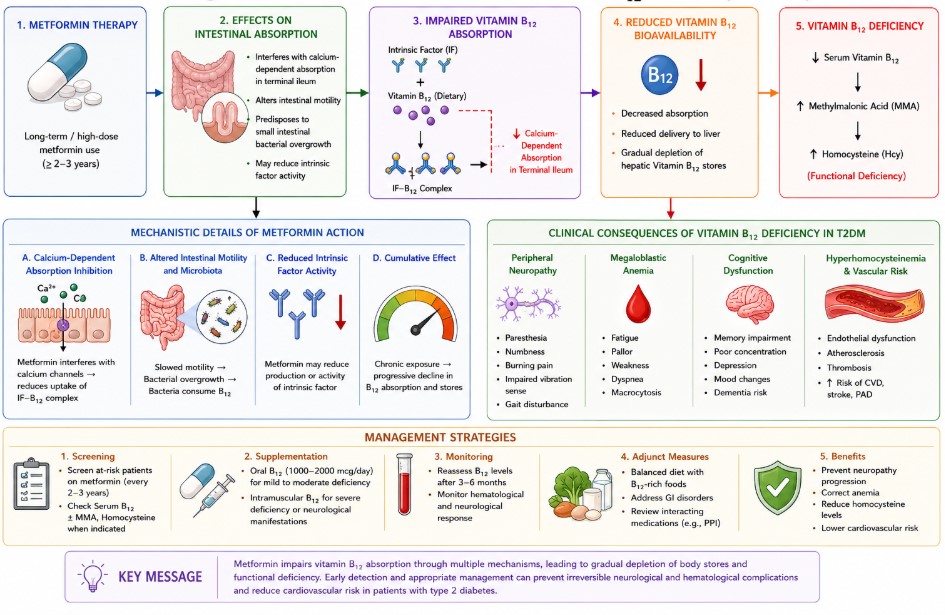
Figure 1. Pathway of Vitamin B12 deficiency in patients with Type 2 Diabetes Mellitus receiving long-term metformin therapy.
Vitamin B12 and Glycemic Control
Emerging evidence suggests a complex relationship between Vitamin B12 deficiency and glycemic control in patients with Type 2 Diabetes Mellitus [6,14]. Several observational studies have demonstrated an inverse correlation between serum Vitamin B12 levels and glycated hemoglobin (HbA1c), indicating that lower Vitamin B12 concentrations may be associated with poorer glycemic control [6,10]. However, the precise nature of this relationship remains incompletely understood, and it is still debated whether poor glycemic control contributes to Vitamin B12 deficiency or whether Vitamin B12 deficiency itself exacerbates metabolic dysfunction [14].
One possible explanation is that chronic hyperglycemia and poorly controlled diabetes promote oxidative stress and systemic inflammation, which may adversely affect intestinal absorption, cellular metabolism, and tissue utilization of Vitamin B12 [15]. Persistent hyperglycemia leads to excessive production of reactive oxygen species (ROS), advanced glycation end products (AGEs), and inflammatory cytokines such as tumor necrosis factoralpha (TNF-α) and interleukin-6 (IL-6) [15]. These inflammatory and oxidative pathways may impair gastrointestinal function and contribute to reduced nutrient absorption, including Vitamin B12.
In addition, chronic inflammation and endothelial dysfunction associated with poorly controlled diabetes may contribute to microvascular ischemia and neuronal injury [15]. Vitamin B12 deficiency may further aggravate these mechanisms by increasing homocysteine levels, thereby promoting endothelial dysfunction, oxidative stress, and vascular injury [13]. Elevated homocysteine has been associated with impaired nitric oxidemediated vasodilation, increased platelet activation, and enhanced oxidative damage, all of which may contribute to diabetic vascular complications [13].
Several mechanisms have been proposed to explain the association between low Vitamin B12 levels and poor glycemic control:
Another important consideration is whether Vitamin B12 deficiency itself may worsen glucose metabolism. Vitamin B12 plays a role in mitochondrial function, cellular energy metabolism, and methylation reactions [4]. Deficiency may impair metabolic pathways involved in carbohydrate utilization and neuronal function, potentially contributing to worsening insulin resistance and metabolic dysregulation. Some investigators have suggested that elevated homocysteine levels secondary to Vitamin B12 deficiency may promote oxidative stress and endothelial dysfunction, thereby indirectly worsening insulin resistance [13].
Poor glycemic control may also accelerate progression of diabetic complications in patients with concurrent Vitamin B12 deficiency. Hyperglycemia-induced oxidative stress combined with impaired myelin synthesis and neuronal dysfunction may synergistically contribute to development and progression of diabetic neuropathy [6,15].
Several studies have reported significantly lower serum Vitamin B12 levels in patients with elevated HbA1c values, particularly among individuals receiving high-dose or prolonged Metformin therapy [6,10]. However, not all studies have demonstrated consistent associations, and confounding factors such as duration of diabetes, dietary habits, renal dysfunction, and concomitant medications may influence results [14].
Overall, the relationship between Vitamin B12 deficiency and glycemic control appears to be multifactorial and bidirectional. Further large-scale prospective studies are needed to clarify causality and determine whether correction of Vitamin B12 deficiency can improve glycemic control and reduce progression of diabetic complications [14].
Vitamin B12 Deficiency and Diabetic Neuropathy
Diabetic neuropathy is one of the most common and disabling chronic complications of Type 2 Diabetes Mellitus and is characterized by progressive nerve damage resulting from chronic hyperglycemia, oxidative stress, inflammation, and metabolic dysfunction [15]. Vitamin B12 deficiency has emerged as an important and potentially reversible contributor to neuropathic manifestations in diabetic patients, particularly among those receiving longterm Metformin therapy [2,4,6].
Vitamin B12 is essential for normal neuronal function and myelin maintenance [4]. Deficiency leads to impaired methionine synthesis and disruption of methylation reactions necessary for myelin formation and neuronal integrity. Reduced availability of methyl groups results in defective myelin sheath maintenance, progressive demyelination, and axonal degeneration [13]. These pathological changes contribute to impaired nerve conduction and progressive neurological dysfunction.
Several mechanisms contribute to neurological injury in Vitamin B12 deficiency:
One of the hallmark pathological features of Vitamin B12 deficiency-related neuropathy is demyelination involving peripheral nerves and the posterior columns of the spinal cord [13]. Posterior column involvement may lead to impaired proprioception, loss of vibration sense, sensory ataxia, and gait instability. In advanced cases, subacute combined degeneration of the spinal cord may develop, involving both posterior and lateral columns [13].
Clinical manifestations of Vitamin B12 deficiency-related neuropathy include:
Autonomic nervous system involvement may also occur in severe or prolonged deficiency. Patients may present features of autonomic neuropathy such as:
Vitamin B12 deficiency-related neuropathy often closely resembles diabetic peripheral neuropathy, leading to diagnostic difficulty [6,13]. In many patients, both conditions coexist and may synergistically contribute to progressive nerve injury. Since diabetic patients commonly develop neuropathic symptoms due to chronic hyperglycemia, additional Vitamin B12 deficiency may remain unrecognized unless actively investigated [6].
Several studies have demonstrated higher prevalence and increased severity of neuropathy among diabetic patients with low Vitamin B12 levels [6,10]. Some investigators have also observed associations between longer duration of metformin therapy, lower Vitamin B12 levels, and worsening neuropathic symptoms [2,5].
Neurological assessment remains crucial for early diagnosis. Clinical examination should include:
Monofilament testing is a simple and useful bedside tool for detecting peripheral sensory neuropathy and identifying patients at increased risk of foot ulceration [7].
Electrophysiological studies may provide additional diagnostic information. Nerve conduction studies often demonstrate:
These investigations may help differentiate neuropathy related to Vitamin B12 deficiency from other neurological disorders and assess severity of nerve involvement [13].
Early diagnosis and treatment are essential because neurological manifestations may become irreversible if deficiency persists for prolonged periods [4,13]. Several studies have shown improvement in neuropathic symptoms following Vitamin B12 supplementation, particularly when treatment is initiated early before advanced neuronal damage occurs [13].
Hematological Manifestations
Vitamin B12 deficiency produces significant hematological abnormalities primarily due to impaired DNA synthesis and ineffective erythropoiesis [13,16]. Vitamin B12 is an essential cofactor in nucleic acid synthesis, particularly in rapidly dividing cells of the bone marrow [13]. Deficiency disrupts normal maturation of hematopoietic cells, leading to abnormal nuclear development despite relatively preserved cytoplasmic maturation, a phenomenon referred to as nuclear-cytoplasmic asynchrony [16]. This results in ineffective erythropoiesis and the development of megaloblastic anemia [13,16].
The characteristic hematological manifestation of Vitamin B12 deficiency is megaloblastic macrocytic anemia [13]. Peripheral blood examination typically demonstrates enlarged red blood cells with increased mean corpuscular volume (MCV) [16]. Macrocytosis may initially be mild but become more pronounced with progressive deficiency. Hypersegmented neutrophils, which are neutrophils containing more than five nuclear lobes, are considered an early and characteristic hematological feature of megaloblastic anemia and may appear before overt anemia develops [16].
Patients commonly present with nonspecific symptoms related to anemia including:
In severe cases, patients may develop marked anemia associated with tachycardia, dizziness, and signs of high-output cardiac stress [16]. Bone marrow examination, although not routinely required, typically reveals hypercellular marrow with megaloblastic erythroid precursors [16].
Vitamin B12 deficiency may also affect other hematopoietic cell lines. Leukopenia and thrombocytopenia can occur due to ineffective granulopoiesis and megakaryopoiesis, resulting in pancytopenia in severe cases [13,16]. Mild jaundice may occasionally be observed due to intramedullary destruction of abnormal erythroid precursors causing ineffective erythropoiesis and increased bilirubin production [16].
In patients with Type 2 Diabetes Mellitus, hematological manifestations may be overlooked because symptoms such as fatigue and weakness are often attributed to chronic illness, aging, or poor glycemic control [7,15]. Furthermore, concomitant iron deficiency or chronic disease anemia may mask macrocytosis and delay diagnosis [16].
Importantly, neurological manifestations of Vitamin B12 deficiency may occur even in the absence of overt hematological abnormalities or anemia [13]. Some patients may present exclusively with neuropathy, paresthesia, gait disturbances, or cognitive dysfunction despite normal hemoglobin levels and minimal hematological changes [13,17]. This phenomenon is particularly relevant in diabetic patients because Vitamin B12 deficiency-related neuropathy may mimic or worsen diabetic peripheral neuropathy, leading to underdiagnosis and delayed treatment [6,15].
Therefore, clinicians should maintain a high index of suspicion for Vitamin B12 deficiency in diabetic patients receiving long-term Metformin therapy, especially in the presence of neurological symptoms, unexplained fatigue, macrocytosis, or anemia [4,7]. Early recognition and treatment are essential because hematological abnormalities usually respond well to Vitamin B12 supplementation, while prolonged neurological deficits may become irreversible if left untreated [13,17].
Cognitive Dysfunction and Neuropsychiatric Manifestations
Vitamin B12 deficiency has also been associated with:
These manifestations are especially relevant in elderly diabetic patients receiving longterm metformin therapy [4,13].
Clinical Studies and Evidence
Several important studies have established the association between metformin therapy and Vitamin B12 deficiency [2,3,5].
Major findings include:
The Diabetes Prevention Program Outcomes Study and other observational studies have highlighted the need for routine monitoring of Vitamin B12 levels in metformin-treated diabetic patients [5,7].
Diagnosis
Early diagnosis of Vitamin B12 deficiency is essential in patients with Type 2 Diabetes Mellitus receiving long-term Metformin therapy because clinical manifestations may be subtle, nonspecific, or overlap with diabetic complications, particularly peripheral neuropathy [4,13]. Delayed recognition may result in irreversible neurological damage and worsening quality of life [13]. Therefore, a combination of clinical assessment and laboratory evaluation is important for accurate diagnosis.
Clinical Evaluation
A detailed clinical history and physical examination should be performed in all suspected cases [13,16]. Important symptoms suggestive of Vitamin B12 deficiency include:
Clinical history should also include:
Laboratory Investigation
Serum Vitamin B12 measurement is the most used initial test for detecting biochemical deficiency [13]. Low serum Vitamin B12 levels support the diagnosis.
However, serum Vitamin B12 levels alone may not always reflect functional deficiency because some patients with borderline values may still have significant clinical manifestations [13].
Complete blood count is useful for detecting hematological abnormalities associated with Vitamin B12 deficiency [16].
Common findings include:
CBC also helps identify coexisting anemia of chronic disease or iron deficiency [16].
Mean corpuscular volume is an important parameter in identifying macrocytosis associated with megaloblastic anemia [16].
Typical findings include:
However, macrocytosis may be absent in patients with combined iron deficiency or chronic disease anemia [16].
Peripheral blood smear examination provides important morphological clues suggestive of megaloblastic anemia [16].
Characteristic findings include:
Hyper segmented neutrophils are considered an early hematological marker of Vitamin B12 deficiency [16].
Additional Investigations
Serum methylmalonic acid is a sensitive marker of functional Vitamin B12 deficiency [13,18].
However, availability and cost may limit routine use in resource-constrained settings [13].
Vitamin B12 deficiency impairs homocysteine metabolism leading to elevated serum homocysteine levels [13].
Elevated homocysteine:
Homocysteine levels can also be elevated in folate deficiency and renal dysfunction [13].
Neurological Assessment
Neurological examination remains extremely important because Vitamin B12 deficiency related neuropathy may mimic or worsen diabetic peripheral neuropathy [6,15].
Neurological assessment should include:
Early identification of neurological involvement is important because prolonged deficiency may result in irreversible nerve damage [13,15].
Management
Management of Vitamin B12 deficiency in diabetic patients receiving long-term metformin therapy involves correction of deficiency, prevention of complications, treatment of underlying risk factors, and regular monitoring. Early intervention is important because hematological abnormalities generally respond well to therapy, whereas neurological recovery may be incomplete if treatment is delayed.
Vitamin B12 Supplementation
Oral supplementation may be effective in mild to moderate deficiency.
Advantages include:
Oral cyanocobalamin or methylcobalamin preparations are commonly used.
Intramuscular Vitamin B12 therapy is preferred in:
Parenteral therapy produces rapid hematological improvement and replenishment of body stores.
Commonly used preparations include:
Dietary Counseling
Dietary modification is an important component of management, especially in vegetarian patients and elderly individuals.
Patients should be advised regarding intake of Vitamin B12-rich foods such as:
Nutritional counseling may help prevent recurrence of deficiency.
Monitoring and Follow-Up
Regular follow-up is necessary to assess therapeutic response and detect recurrence.
Monitoring should include:
Neurological recovery may take several months and may be incomplete in advanced cases.
Routine Screening
Routine screening for Vitamin B12 deficiency should be considered in high-risk diabetic patients, particularly because deficiency may remain asymptomatic for prolonged periods.
Screening is especially important in:
Periodic screening may facilitate early diagnosis and reduce risk of irreversible neurological complications.
Clinical Importance of Early Intervention
Early recognition and timely treatment of Vitamin B12 deficiency are essential because:
Given the widespread use of metformin worldwide, greater awareness regarding Vitamin B12 deficiency is necessary among clinicians managing patients with Type 2 Diabetes Mellitus.
Current Recommendations
Growing evidence linking long-term Metformin therapy with Vitamin B12 deficiency has led several professional organizations and clinical guidelines to recommend increased vigilance and periodic monitoring in high-risk patients. Among these, the recommendations of the American Diabetes Association have received particular attention in clinical practice.
Recent clinical guidelines advise considering periodic assessment of Vitamin B12 levels in patients with Type 2 Diabetes Mellitus who are receiving prolonged metformin therapy, particularly in those presenting with:
The American Diabetes Association has emphasized that metformin-associated Vitamin B12 deficiency is often underrecognized and may contribute to worsening neuropathy. Since diabetic peripheral neuropathy and Vitamin B12 deficiency-related neuropathy frequently overlap clinically, routine clinical evaluation alone may not reliably differentiate the two conditions. Consequently, biochemical assessment becomes important in symptomatic individuals.
Several experts also recommend screening in patients receiving metformin therapy for more than four to five years, especially at doses exceeding 1500–2000 mg/day. Elderly patients and vegetarians are considered particularly vulnerable because of reduced dietary intake and age-related decline in gastrointestinal absorption.
Although universal screening protocols have not yet been standardized, many clinicians advocate periodic laboratory evaluation including:
In selected cases, additional tests such as serum methylmalonic acid and homocysteine levels may help identify early or subclinical deficiency, particularly when serum Vitamin B12 levels are borderline.
Current recommendations also highlight the importance of clinical awareness among physicians managing diabetic patients. Symptoms such as fatigue, paresthesia, numbness, gait instability, cognitive decline, or unexplained anemia should prompt evaluation for possible Vitamin B12 deficiency. Early recognition is essential because hematological abnormalities usually respond rapidly to treatment, whereas prolonged neurological deficits may become partially irreversible.
Vitamin B12 supplementation may be administered orally or parenterally depending on severity of deficiency and clinical presentation. Several studies have shown improvement in hematological parameters and partial improvement in neuropathic symptoms following supplementation. However, the optimal dose, duration, and frequency of monitoring remain subjects of ongoing research.
Despite increasing awareness, routine screening practices vary considerably between institutions and countries. In many resource-limited settings, Vitamin B12 assessment is still not routinely incorporated into diabetes management protocols. Greater awareness and evidence-based guidelines are therefore needed to improve early detection and management.
Future Perspectives
Vitamin B12 deficiency in patients with Type 2 Diabetes Mellitus receiving long-term metformin therapy remains an evolving area of clinical and research interest. Although numerous observational studies have demonstrated significant associations between metformin use and reduced Vitamin B12 levels, several important questions remain unanswered. Future research should therefore focus on improving understanding of pathophysiological mechanisms, clinical implications, diagnostic strategies, and therapeutic interventions.
One of the most important areas for future investigation is the need for large-scale longitudinal studies evaluating causal relationships between metformin therapy, Vitamin B12 deficiency, glycemic control, and diabetic complications. Most currently available evidence is derived from cross-sectional or observational studies, which demonstrate associations but cannot definitively establish causality. Prospective longitudinal studies may help clarify whether Vitamin B12 deficiency directly contributes to progression of neuropathy, cognitive dysfunction, or worsening metabolic control.
Another important area of research involves assessing the impact of Vitamin B12 supplementation on diabetic neuropathy progression. While several studies suggest improvement in neuropathic symptoms following supplementation, evidence regarding long-term neurological outcomes remains limited. Future randomized controlled trials are needed to determine:
Long-term clinical benefits in metformin-treated patients
Further research is also needed to establish optimal screening intervals for Vitamin B12 monitoring in diabetic patients receiving metformin therapy. Currently, no universally accepted guidelines define the ideal frequency of testing. Studies evaluating coste ectiveness and clinical outcomes may help determine whether annual, biennial, or riskbased screening approaches are most appropriate.
Another major challenge is the lack of standardized diagnostic criteria for Vitamin B12 deficiency. Di erent studies use varying cut-o values for serum Vitamin B12 levels, resulting in wide variability in reported prevalence rates. Additionally, serum Vitamin B12 estimation alone may not reliably identify functional deficiency. Future studies should focus on developing standardized diagnostic algorithms incorporating:
Emerging evidence also suggests possible interactions between Vitamin B12 deficiency, oxidative stress, inflammation, and endothelial dysfunction. Future investigations exploring these pathways may help clarify the broader metabolic and cardiovascular implications of Vitamin B12 deficiency in diabetic patients.
Finally, increasing prevalence of Type 2 Diabetes Mellitus worldwide underscores the importance of developing evidence-based screening and management protocols for Vitamin B12 deficiency. Integration of routine Vitamin B12 monitoring into diabetes care pathways may ultimately improve neurological outcomes, reduce morbidity, and enhance quality of life in patients receiving long-term metformin therapy.
Conclusion
Vitamin B12 deficiency is an increasingly recognized but often underdiagnosed complication in patients with Type 2 Diabetes Mellitus receiving long-term metformin therapy. Deficiency may contribute to anemia, peripheral neuropathy, cognitive dysfunction, and worsening diabetic complications. Emerging evidence also suggests an association between low Vitamin B12 levels and poor glycemic control. Conclusion
Since manifestations of Vitamin B12 deficiency may overlap with diabetic neuropathy, early recognition and timely supplementation are essential to prevent irreversible neurological damage and improve quality of life. Routine screening for Vitamin B12 deficiency should be considered in patients on prolonged metformin therapy, particularly those presenting with neuropathy, anemia, or poor glycemic control.
References