26-27 March 2026 | Osaka, Japan
Sam Smith
University of Canberra Hospital, Australia
Sam Smith, is a Senior Rehabilitation Physiotherapist at the University of Canberra Hospital in Canberra, Australia with 6 years experience working in inpatient rehabilitation and 4 years experience working in professional sport. He is a graduate of the Bachelor of Physiotherapy program at the University of Canberra and is currently completing his Master of Sports Medicine at the University of Melbourne.
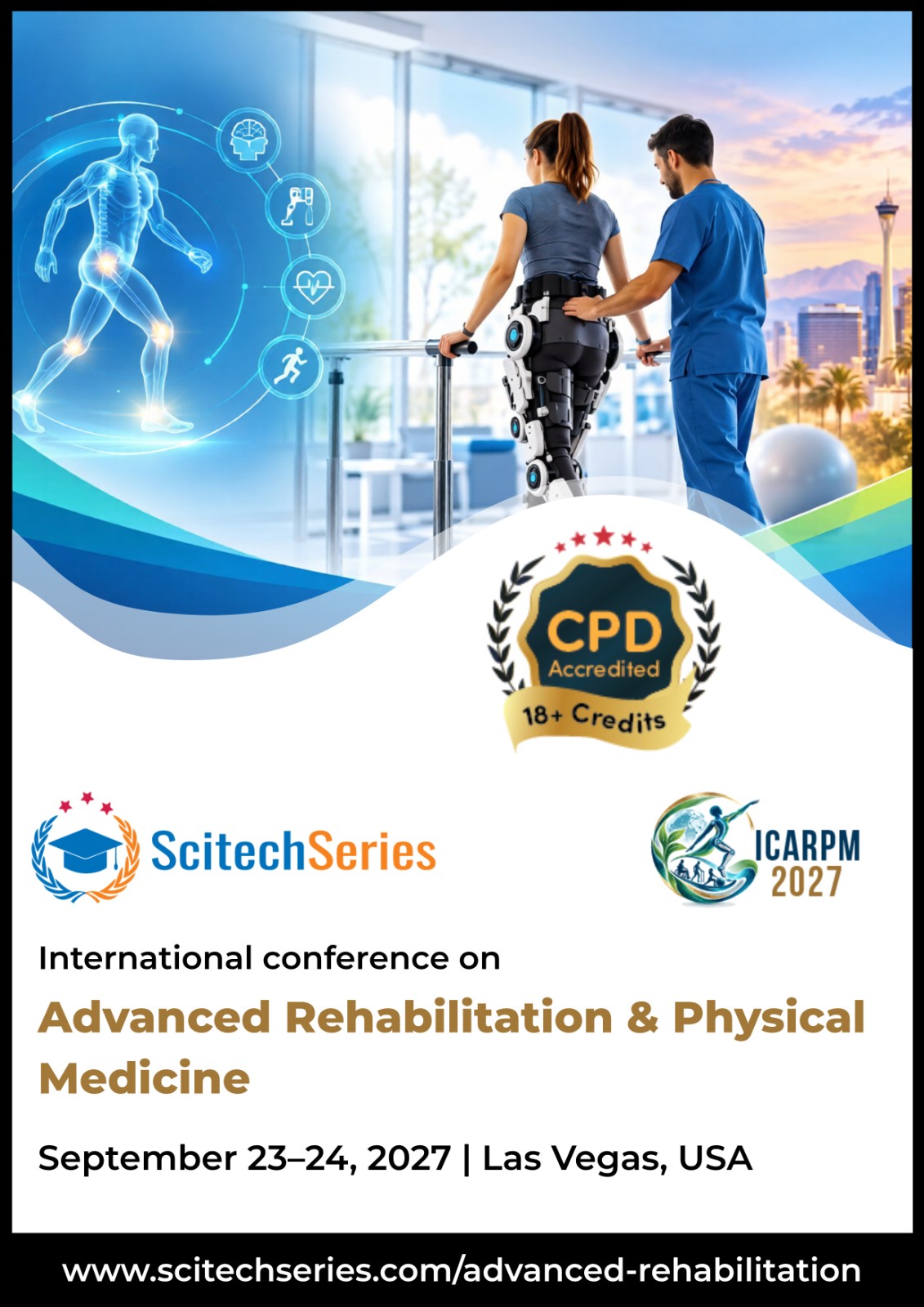
Introduction: Functional Neurological Disorder (FND) is a condition defined by motor and sensory symptoms with clinical features that cannot be explained by other neurological or medical diagnoses but can result in significant functional impairment including total loss of mobility. There is evidence supporting the use of robotics in other neurological conditions such as stroke and spinal cord injury, but there is currently no published evidence for its use in the treatment of FND. This case using the Hocoma Lokomat robotic exoskeleton device represents the first known case of robot-assisted gait training in the treatment of FND.
Aim: To determine if robot-assisted gait training could be a viable treatment option to improve mobility for patients with FND.
Methods: Over 9 weeks, the 34-year-old patient completed 15 robot-assisted gait training sessions. Outcome measures included the Functional Ambulation Category (FAC), Functional Independence Measure (FIM), 10-metre walk test (10MWT) and Oxford manual muscle strength testing (MMT).
Results: At the conclusion of the robot-assisted gait training program the patient had achieved independent walking: FAC improved from 0/5 to 5/5, FIM Locomotion improved from 1/7 to 7/7, FIM Total had improved from 56 to 123 and the 10MWT was completed in 37.45 seconds. The patient’s muscle strength improved from 0/5 to 5/5 in all lower limb muscle groups (MMT). At six months post intervention, the patient reported zero FND relapses or functional impairments.
Conclusions: Robot-assisted gait training can be considered a potential intervention option in FND, specifically in cases with gait impairments, and can be associated with dramatic improvements in strength and mobility.
Impact: This is the first case of a patient with FND successfully completing robot-assisted gait training in the treatment of gait-related impairments. Studies exploring feasibility and patient acceptability of this novel therapy in FND are now warranted.