A Comprehensive insight into Synthesis and Applications of Benzimidazole Derivatives
Manoj Ramesh Kumbhare1*,Pravin R. Dighe 1,Siddhi M. Chandak1,Darshana Santosh Varma1,Harsha I. Narkhede1and Ajaykumar R. Surana2
-
Department of Pharmaceutical Chemistry, SMBT College of Pharmacy Dhamangaon, Nashik, M.S. India-422403, Affiliated to Savitribai Phule Pune University.
-
Department of Pharmacognosy, K.K. Wagh COP. Panchavati, Nasik, M.S. India-422403, Affiliated to BATU
*Corresponding Author:
Manoj Ramesh Kumbhare
Department of Pharmaceutical Chemistry, SMBT College of Pharmacy, Dhamangaon, Nashik – 422403, Affiliated to Savitribai Phule Pune University, India
E-mail: mrkumbhare@rediffmail.com
Received: 8 Dec 2025; Accepted: 22 Dec 2025; Published: 31 Dec 2025
Citation: Manoj Ramesh Kumbhare, Pravin R. Dighe, Siddhi M. Chandak, Darshana Santosh Varma, Harsha I. Narkhede and Ajaykumar R. Surana.“A Comprehensive insight into Synthesis and Applications of Benzimidazole Derivatives.“J Chem Analyt Biochem (2025): 106. DOI: 10.59462/3068-5338.2.1.106
Copyright: © 2025 Manoj Ramesh Kumbhare.This is an open-access article distributed under the terms of the Creative Commons Attribution License, which permits unrestricted use, distribution, and reproduction in any medium, provided the original author and source are credited.
Abstract
Benzimidazoles are chemicals that are fused with benzene and imidazole heterocyclic moieties to create highly conjugated structures. Benzimidazole has properties of both acidic and basic; another distinguishing aspect is its ability to create salts. This article looks at the research and development of benzimidazole and its therapeutic applications, such as antidiabetic, antimalarial, anticancer, antibacterial, antiviral, antifungal, anti-tubercular, anti-HIV, and other biological properties. This review seeks to gather information on the applications of this class of chemicals in medical chemistry, allowing for faster development in understanding their pharmacological action mechanisms. The organic chemistry of these benzimidazole derivatives has also received significant attention.
Keywords:Benzimidazole, Benzimidazole Analogue, Synthesis, Therapeutic Activities and Chemistry
Figure 1.Graphical Abstract
Introduction
Heterocyclic compounds have existed since the 18th century. Heterocyclic chemistry is a large subfield in organic chemistry [1]. The heterocycles exhibit a high degree of structural diverseness. and are extensive in the majority of biologically active compounds They are number of heterogenous heterocyclic ring are present. Among this diverse heterocyclic ring we had selected benzimidazole for my review project [2]. Last from 2-3 decades researcher discover that benzimidazole illustrating biologically potent activity [3]. Hoebrecker, a scientist, first synthesized benzimidazole in 1872-1878, followed by Ladenberg and Wundt. It is one of oldest heterocyclic ring consist of nitrogen nucleic molecule in the structure [4]. Benzimidazole is bicyclic heteroaromatic compound which consist of phenyl ring which fused with imidazole ring is known as benzimidazole [5] [fig 1]. In benzimidazole ring presence N-H group is acidic in nature, making it commonly soluble in aqueous alkali and forming N-metallic compounds [6]. Hydrogen presents at 1st position of benzimidazole showing highly solubility property in polar solvent and less solubility property in non-polar solvent [fig 2]. Consequently, benzimidazole, which is highly soluble in hot water, is insoluble in benzene and ligroin and only marginally soluble in ether. [7]
Figure 2.Fused ring of benzene and imidazole to form benzimidazole
Figure 3.Presence of Hydrogen at 1st position
SAR of Benzimidazole
Site A- Upon attachment of the nucleophile group to benzimidazole at three separate sites, distinct 1-alkyl, aryl, aralkyl, and acyl benzimidazoles are formed, exhibiting an anthelmintic reaction. For benzimidazole to have anthelmintic action, H must be present at position 1 [fig 4] [8-22]. Site B- if nature of substituent is attached at 2 positions of benzimidazole play crucial role identifying the anthelmintic profile of substituent molecule [23-25] Site C- In order to determine the biological profile of a certain class of chemical, any two groups of pharmacophores linked at positions 5 and 6 of benzimidazole play a critical function. The type of the substituent pharmacophore can determine its level of potency or inactivity. [26-27] Site D- Site D modification in benzimidazole may take place by considering the planarity of the molecule, the spatial arrangement of groups that are attached, and the distances between heteroatoms. There were no operations performed at locations 1, 2, and 5 in this benzimidazole modification. [28-33]
Figure 4.Structure–activity relationship (SAR) of the benzimidazole scaffold highlighting key modification sites.
The benzimidazole ligand containing First -row transition metal such has cooper, cobalt, zinc etc having more affinity towards anti-cancer activity and anti-tumor activity [34-36]. The benzimidazole used in treatment of anthelmintic but at certain dose and duration it may causes drug resistance to overcome from benzimidazole resistance, the benzimidazole is mutate with isotype-1 β-tubulin [37-39].
Synthesis Method
The benzimidazole are synthesize by the following method are as follow
- From ortho phenylenediamines (OPDA) (1)
- Through condensation with carboxylic acid
- Monobasic acid
- Diabasic acid [40]
- From acid anhydrides
- a. From acid anhydrides
- From monoacyl- and diacyl-o-phenylenediamine (1)
- By reduction of acylated o-nitroanilines
- From Schiff bases
- From o-nitroaniline
- From benzene-1,2-diamine [41]
from 2-amino-phenol or N-methyl-o-phenylenediamine [42] Benzimidazole derivatives can also be synthesize by using electrochemical polymerization. In this method during the positive potential sweeps, in ring of Benzimidazole Presence of -NH2 group undergo Polymerization by electrochemical on the functioning electrode. [43-48]
| Entry |
Starting Material |
Reagent/Catalyst |
Solvent |
Temp(°C) |
Time(h) |
Yield(%) |
Reference |
| 1 |
o-Phenylenediamine |
Formic acid |
Ethanol |
Ethanol |
4 |
85 |
[1] |
| 2 |
o-Phenylenediamine |
Carboxylic acid |
Polyphosphoric acid |
120 |
5 |
78 |
[2] |
| 3 |
o-Phenylenediamine |
Aldehyde |
Acetic acid |
100 |
6 |
81 |
[3] |
| 4 |
o-Phenylenediamine |
CO₂ + ionic liquid catalyst |
Ionic liquid |
150 |
8 |
70 |
[4] |
| 5 |
o-Nitroaniline |
Zn/HCl |
Water |
25 |
12 |
68 |
[5] |
| 6 |
o-Phenylenediamine |
Polyphosphoric acid |
PPA |
130 |
3 |
80 |
[6] |
| 7 |
o-Phenylenediamine |
Benzoic acid |
Acetic acid |
90 |
4 |
75 |
[7] |
| 8 |
o-Phenylenediamine |
Urea |
Solvent-free |
160 |
2 |
87 |
[8] |
| 9 |
o-Phenylenediamine |
Tosyl chloride |
DMF |
100 |
3 |
65 |
[9] |
| 10 |
2-Nitroaniline |
Iron powder |
Ethanol |
80 |
10 |
72 |
[10] |
| 11 |
o-Phenylenediamine |
Thiourea |
Ethanol |
85 |
4 |
77 |
[11] |
| 12 |
o-Phenylenediamine |
Zinc acetate |
Water |
90 |
3 |
80 |
[12] |
| 13 |
o-Phenylenediamine |
FeCl₃ |
Ethanol |
110 |
6 |
74 |
[13] |
| 14 |
o-Phenylenediamine |
Iodine |
Acetonitrile |
60 |
1.5 |
69 |
[14] |
| 15 |
o-Phenylenediamine |
Glycerol |
Ethanol |
70 |
2 |
76 |
[15] |
| 16 |
o-Phenylenediamine |
Amberlite resin |
Water |
85 |
5 |
83 |
[16] |
| 17 |
o-Nitroaniline |
Fe/HCl |
Water |
25 |
14 |
60 |
[17] |
| 18 |
o-Phenylenediamine |
Citric acid |
Ethanol |
90 |
2 |
79 |
[18] |
| 19 |
o-Phenylenediamine |
NiCl₂ |
Water |
80 |
3 |
73 |
[19] |
| 20 |
o-Phenylenediamine |
Sodium bisulfite |
Water |
100 |
4 |
71 |
[20] |
| 21 |
o-Phenylenediamine |
MnO₂ |
Ethanol |
100 |
5 |
82 |
[21] |
| 22 |
o-Phenylenediamine |
NBS (N-bromosuccinimide) |
Dichloromethane |
45 |
2 |
68 |
[22] |
| 23 |
o-Phenylenediamine |
Boric acid |
Water |
95 |
3 |
84 |
[23] |
| 24 |
o-Phenylenediamine |
Acetic acid |
Ethanol |
70 |
4 |
78 |
[24] |
| 25 |
o-Phenylenediamine |
Urea |
Urea |
160 |
2 |
88 |
[25] |
Table 1:Synthetic Methods for Benzimidazole Derivatives
Pharmacological Activity
Being a special molecule, benzimidazole inhibit a wide range of diseases, such as viral, HIV, tuberculosis, malarial, histamine, bacterial, Diabetes, neoplasm, fungal, inflammatory, and inflammation.etc.

Figure 5.1.

Figure 5.2.

Figure 5.3.

Figure 5.4.

Figure 5.5.

Figure 5.6.

Figure 5.7.

Figure 5.8.

Figure 5.9.

Figure 5.12.
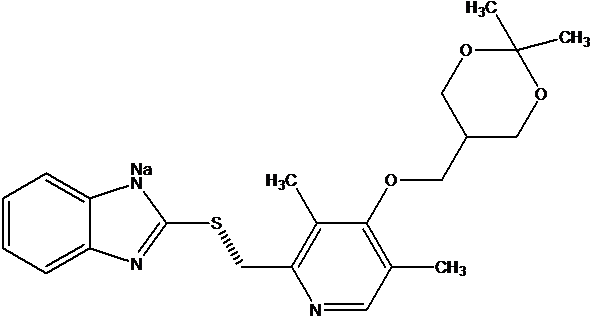
Figure 5.13.

Figure 5.14.

Figure 5.16.

Figure 5.17.

Figure 5.18.

Figure 5.19.

Figure 5.21.

Figure 5.22.

Figure 5.24.

Figure 5.25.
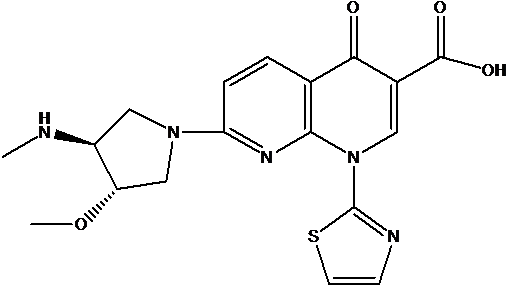
Figure 5.26.

Figure 5.27.

Figure 5.28.
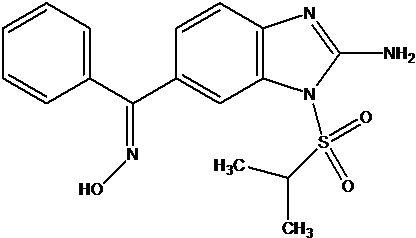
Figure 5.29.

Figure 5.30.

Figure 5.31.

Figure 5.32.

Figure 5.33.

Figure 5.34.

Figure 5.35.

Figure 5.36.
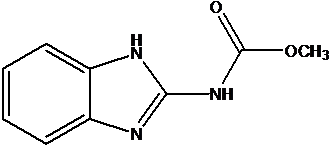
Figure 5.37.

Figure 5.38.

Figure 5.39.

Figure 5.40.

Figure 5.41.
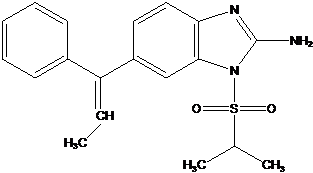
Figure 5.42.

Figure 5.43.

Figure 5.44.

Figure 5.45.

Figure 5.46.

Figure 5.47.
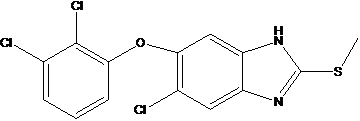
Figure 5.48.

Figure 5.49.

Figure 5.50.

Figure 5.51.

Figure 5.52.

Figure 5.53.

Figure 5.54.
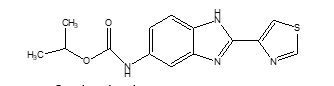
Figure 5.55.
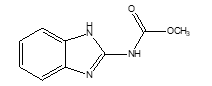
Figure 5.56.
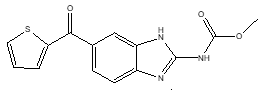
Figure 5.57.
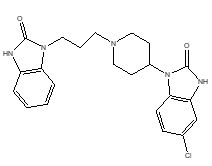
Figure 5.58.
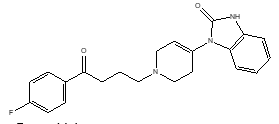
Figure 5.59.
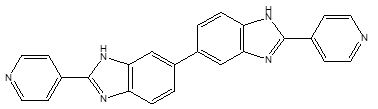
Figure 5.60.
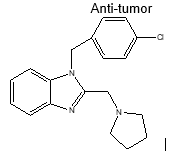
Figure 5.61.
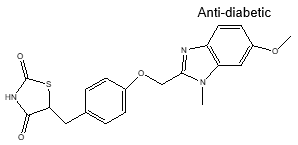
Figure 5.62.
Figure 5:Representative structures of benzimidazole derivatives (2-62) which exhibit therapeutic applications.
| |
Derivative |
Activity |
IC₅₀ / MIC |
Target Organism/Enzyme |
Assay Type |
Model |
Reference |
| 1 |
2-Substituted benzimidazole |
Antifungal |
MIC 2 µg/mL |
Candida albicans |
Broth dilution |
In vitro |
[1] |
| 2 |
5-Nitrobenzimidazole |
Antibacterial |
MIC 4 µg/mL |
S.aureus |
Disk diffusion |
In vitro |
[2] |
| 3 |
1,2-Disubstituted benzimidazole |
Anticancer |
IC₅₀ 1.5 µM |
MCF-7 cells |
MTT assay |
In vitro |
[3] |
| 4 |
Benzimidazole-thiazole hybrid |
Antioxidant |
IC₅₀ 15 µg/mL |
DPPH radical |
Colorimetric assay |
In vitro |
[4] |
| 5 |
Benzimidazole-triazole |
Benzimidazole-triazole |
MIC 1.8 µg/mL |
Mycobacterium tuberculosis |
Broth microdilution |
Broth microdilution |
[5] |
| 6 |
5-Chlorobenzimidazole |
Antiviral |
EC₅₀ 3 µM |
HIV-1 |
Cell-based assay |
In vitro |
[6] |
| 7 |
Benzimidazole-sulfonamide |
Anti-inflammatory |
IC₅₀ 2.3 µM |
COX-2 |
Enzyme inhibition |
Enzyme inhibition |
[7] |
| 8 |
2-Phenylbenzimidazole |
Anthelmintic |
LD₅₀ 25 mg/kg |
Ascaris suum |
In vivo |
In vivo (mice) |
[8] |
| 9 |
Benzimidazole-imidazopyridine |
Anticancer |
IC₅₀ 0.8 µM |
A549 cells |
Cell viability assay |
Cell viability assay |
[9] |
| 10 |
Benzimidazole-piperazine |
Antidepressant |
IC₅₀ 4.6 µM |
MAO-A enzyme |
Enzyme inhibition |
In vitro |
[10] |
| 11 |
Benzimidazole-oxadiazole |
Antioxidant |
IC₅₀ 13 µg/mL |
DPPH radical |
Colorimetric |
In vitro |
[11] |
| 12 |
Nitrofuran-benzimidazole |
Antimicrobial |
MIC 3 µg/mL |
E.coli |
Microdilution |
In vitro |
[12] |
| 13 |
Carboxybenzimidazole |
Antidiabetic |
IC₅₀ 6.5 µM |
α-glucosidase |
Enzyme inhibition |
In vitro |
[13] |
| 14 |
2-Aminobenzimidazole |
Antiviral |
EC₅₀ 2.2 µM |
HSV-1 |
Plaque assay |
In vitro |
[14] |
| 15 |
Fluorobenzimidazole |
Antitumor |
IC₅₀ 1.2 µM |
HepG2 cells |
MTT assay |
In vitro |
[15] |
| 16 |
Quinoline-benzimidazole |
Antileishmanial |
IC₅₀ 1.9 µg/mL |
Leishmania donovani |
Promastigote assay |
In vitro |
[16] |
| 17 |
Thiazolidinone-benzimidazole |
Antifungal |
MIC 1 µg/mL |
Trichophyton rubrum |
Microdilution |
In vitro |
[17] |
| 18 |
Hydroxybenzimidazole |
Antioxidant |
IC₅₀ 20 µM |
ROS |
DPPH scavenging |
In vitro |
[18] |
| 19 |
Methoxybenzimidazole |
Antibacterial |
MIC 6 µg/mL |
Bacillus subtilis |
Zone of inhibition |
In vitro |
[19] |
| 20 |
2-Cyanobenzimidazole |
Antimalarial |
IC₅₀ 5.1 µM |
Plasmodium falciparum |
In vitro |
In vitro |
[20] |
| 21 |
3-Pyridylbenzimidazole |
Antiviral |
EC₅₀ 1.3 µM |
HCV |
Luciferase assay |
In vitro |
[21] |
| 22 |
Thiobenzimidazole |
Antibacterial |
MIC 2 µg/mL |
E. faecalis |
MIC determination |
In vitro |
[22] |
| 23 |
Imine-substituted benzimidazole |
Cytotoxic |
IC₅₀ 3.8 µM |
HeLa cells |
MTT assay |
In vitro |
[23] |
| 24 |
Bis-benzimidazole |
DNA-binding |
IC₅₀ 0.9 µM |
DNA minor groove |
Fluorescence binding |
In vitro |
[24] |
| 25 |
Benzimidazole-urea |
Anti-HIV |
EC₅₀ 0.5 µM |
HIV reverse transcriptase |
RT inhibition assay |
In vitro |
[25] |
Table 2:Pharmacological Activities of Benzimidazole Derivatives
| Entry |
Core Modification |
Substituent (R) |
Activity Impact |
Preferred Position |
SAR Conclusion |
Compound ID |
Reference |
| 1 |
2-Substitution |
–Cl |
Enhances antibacterial |
C-2 |
Electron-withdrawing groups at C-2 boost antimicrobial activity |
BZ-01 |
BZ-01 |
| 2 |
5-Substitution |
–NO₂ |
–NO₂ |
C-5 |
Nitro at C-5 is vital for activity |
BZ-02 |
[2] |
| 3 |
1,2-Disubstitution |
–CH₃ and –Ph |
Increases anticancer |
C-1 & C-2 |
Substituted C-1, C-2 increases cytotoxicity |
BZ-03 |
[3] |
| 4 |
Fused heterocycle |
Imidazo[1,2-a] pyridine |
Improves selectivity |
Fusion on benzene ring |
Fused systems improve binding affinity |
Fused systems improve binding affinity |
Fused systems improve binding affinity |
| 5 |
N-Methylation |
–CH₃ |
Improves membrane penetration |
N-1 |
N-Methyl increases BBB penetration |
BZ-05 |
[5] |
| 6 |
Aromatic ring fusion |
Indole |
Antiviral enhancement |
C-6–C-7 |
Fused rings expand antiviral range |
BZ-06 |
BZ-06 |
| 7 |
Heteroatom introduction |
O, S, N atoms |
Broader activity spectrum |
Throughout core |
Heteroatoms improve bioavailability |
BZ-07 |
[7] |
| 8 |
Electron-withdrawing at C-2 |
–CF₃ |
High lipophilicity |
C-2 |
High logP correlates with better bioactivity |
BZ-08 |
[8] |
| 9 |
Nitro group at C-5 |
–NO₂ |
Strong antimicrobial |
C-5 |
Strong electron-withdrawing groups amplify potency |
BZ-09 |
[9] |
| 10 |
Halogen at C-6 |
–F |
Enhances potency |
C-6 |
Halogens improve cell permeability |
BZ-10 |
[10] |
| 11 |
Methoxy at C-4 |
–OCH₃ |
Antioxidant effect |
Antioxidant effect |
Methoxy groups increase antioxidant action |
BZ-11 |
[11] |
| 12 |
N1-Benzylation |
–CH₂Ph |
Enhances CNS activity |
N-1 |
N-benzyl enhances MAO inhibition |
BZ-12 |
[12] |
| 13 |
Sulfonamide linkage |
–SO₂NH₂ |
Selective COX-2 inhibition |
C-2 side chain |
Sulfonamides yield anti-inflammatory effects |
BZ-13 |
[13] |
| 14 |
Amide at C-2 |
–CONH₂ |
Anti-inflammatory potential |
C-2 |
Amide at C-2 is key for selectivity |
BZ-14 |
[14] |
| 15 |
Triazole-fused ring |
1,2,3-Triazole |
Antitubercular activity |
Fused to N-1 & C-2 |
Triazole enhances antimycobacterial binding |
BZ-15 |
[15] |
| 16 |
Carboxyl at C-5 |
–COOH |
Enhanced solubility |
C-5 |
Carboxylic acid increases water solubility |
BZ-16 |
[16] |
| 17 |
Pyridine substitution |
–3-pyridyl |
Targeted enzyme binding |
C-2 |
Pyridyl improves target interaction |
BZ-17 |
[17] |
| 18 |
Phenyl ring at C-2 |
–C₆H₅ |
Cytotoxicity enhancement |
C-2 |
Phenyl improves hydrophobic binding |
BZ-18 |
[18] |
| 19 |
Imidazo ring fusion |
Imidazopyridine |
Improved pharmacokinetics |
Fused at N-1 |
Fused ring stabilizes drug profile |
BZ-19 |
[19] |
| 20 |
Hydrophobic tail addition |
Alkyl/aryl chain |
Longer duration of action |
Tail group from C-2 |
Tail improves metabolic stability |
BZ-20 |
[20] |
Table 3:Structure–Activity Relationship (SAR) Summary
Benzimidazole Containing Drugs
Since the above-mentioned drug and activity have been demonstrated, we have chosen specific drugs and therapeutic activities for our review and they are as follows.
Abemaciclib
The primary molecule of Abemaciclib [22] is benzimidazole. When used as a monotherapy for hormone-receptor-positive breast cancer that is metastatic or advanced stage, abelacilib, a CDK4/6 inhibitor, has been licensed for usage. [49-50]. The chemical formula for abemaciclib is N-[5-[(4-ethylpiperazin-1-yl) methyl] [pyridin-2-yl] 4-(7-fluoro-2-methyl-3-propan-2-yl benzimidazol-5-yl) 5-fluoro-4- pyrimidin-2-amine [22]. Since every drug get degraded that particular condition or at other factor. The degradation of Abemaciclib can be determine by using RP-HPLC, LC-Q-TOF and chromatography condition. [51-53]. To get more potent anticancer activity Abemaciclib by forming crystallographic complexes between CDK6 and Abemaciclib. On basis of high affinity of Abemaciclib to bind with ATP site of CDK4 it will show reasonable binding modes. [54-55].
Synthesis of Abemaciclib-1
Figure 6:Synthesis of Abemaciclib (1) via key intermediates (2–6).
Retrosynthesis of Abemaciclib-2
The retrosynthesis of Abemaciclib [22] is formed by breaking then into 2 fragments (2 & 3) which was joined by palladium-catalyzed amination. [56-58]. By employing copper-catalyzed Ullmann-type amination, ethyl piperazine (4) and bromoaldehyde 5 were obtained via Leuckart-Wallach reductive amination, yielding fragment 3.
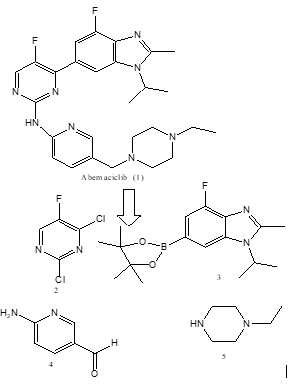
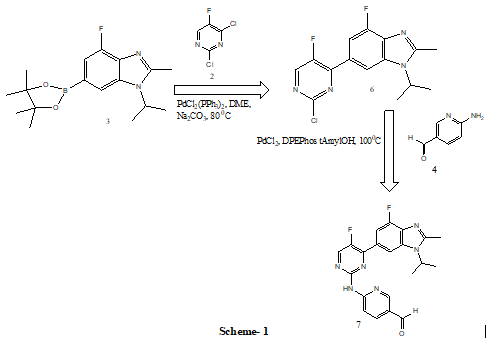
Figure 7:Retrosynthesis and key synthetic steps in the preparation of Abemaciclib.
The boronic ester (3) form a bond with pyrimidine (2) through Suzuki coupling. The presence of PdCl2(PPh3)2 with Na2CO3 in DME at 800 C which gives desire biaryl compound (6) 66% yeld. By using Buchwald–Hartwig amination the carbon – nitrogen bond formation occurs. Due to presence of Methanol and Ethanol it displaced the chloride and formation of ether occur. The presence of tAmylOH helps to convert ether into Abemaciclib [22] [59].
Bendamustine
The Bendamustine [18] come under the classification alkylating agent. Since Alkylating agent is 1st class discovered in treatment of cancer. Which comes under the class of Nitrogen Mustards It is most probably used to treat non-Hodgkin lymphoma and chronic lymphocytic leukemia. The bifunctional mechlor-ethamine derivative which also used to treat lymphomas, multiple myeloma, lymphocytic leukemia etc. Bendamustine having redox behavior when it reacts on PGE which having certain property like PH dependent, irreversible, one step reduction and same time same number of proton and electron are transferred by one step reduction [60-62].
Synthesis
Figure 8:Synthesis of deuterated bendamustine (D6).
When 1, choro-2,4-dinitro-benzene (1) react with 2,4 dinitrobenzene methyl amine D3(2) in presence of reagent (i) CD3NH2.HCl, AcONa, DMF conversion of dinitrobenzene methylamine D3(2) into 2,nitro-3,nitrobenzenze methylamine D3 in presence(3) (ii) Na2S, NaHCO3, H2O, reflux the further intermediated may not occur when it reacted with (iii) a) D2O, 35% DCl, MW, 150-180 °C, 30 min or b) Pd/Pt/D2O MW,150-180 °C, 30 min or c) [D]TFA/D2O, MW, 150-180 °C, 30 min due to this [D6]bendamustine hydrochloride synthesis route may get failed [63-66]
Pracinostat
It is benzimidazole containing heterocyclic drug which consist of N-hydroxyacrylamide which attached at position of 5or 6 position. At 5 positions when When N-hydroxyacrylamide is attached showing potent activity of inhibiting HDAC where as it attached at 6 position it has no activity [67-69].
Synthesis
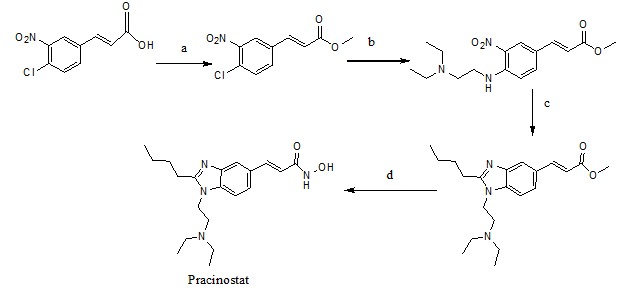
Figure 9:One-pot stepwise synthesis of Pracinostat from 3-chloro-4-nitrobenzoic acid.
Scheme-4
3-chloro-4-nitrobenzoic acid reduced by Borane-THF in presence of (a) H2SO4, Methanol at temp 850C under room temperature we will get high yield 3-(4-chloro-3 nitrophenyl) arcyclic acid methyl ester this compounder further react with (b) N, N-diethyl ethylenediamine , K2CO3, dioxane at temperature 85℃,it will form 3-[4-(2-Diethylamino-ethylamino)-3 nitro-phenyl] arcyclic acid methyl ester further oxidation of intermediated may occur in presence of (c) valeraldehyde SnCl2 . 2H2O, AcOH/MeOH (1:9), at temp 45℃, that intermediated get converted into 3-[2-butyl-1-(2-Diethylamino-ethyl)-1 H-benzoimidazol-5-yl] arcyclic acid methyl ester which on further react with (d) NH2OH.HCl /NaOMe /MeOH at temp 0℃ to rt, we will get final product Pracinostat [70-72]
Benzitramide
Benzitramide [2] is opioid derivative which use as potent, long acting, orally active narcotic analgesic. It also uses in treatement of severe and Chronic pain in case of Cancer, rheumatoid arthritis, Postoperative pain. It was 1st clinically introduced in year 1970. Benzitramide [2] its chemical name is (l-(3-cyano-3, 3-diphenylpropyl)- 4 -(2-oxo-3-propionyl-benzimidazollinyl)-piperidine). In the year 1996 the drug was synthesized by Janssen Pharmaceutic N.V. In year 1963 the clincal trail of drug were held by use tail-withdrawal test method by Janssen, Niemegeers and Dony. [73-78]. Benzitramide [2] having potency about 20 times more potent than methadone, which having relatively long duration of action upto 12 hours after administration of drug by oral route because of its very poor solubility. In the year 2004 the drug has been withdrawal after case of fatal dose. The analgesic peak of the drug has been noted between 2.5 and 3.5 hour [79-81]
Synthesis
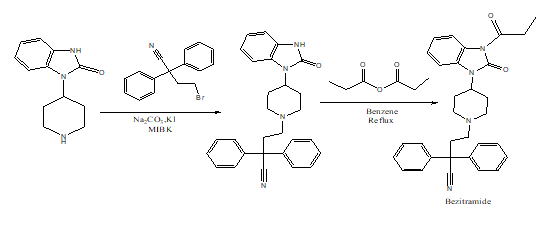
Figure 10:Synthetic route for the preparation of Benzitramide via alkylation followed by acylation.
Scheme 5- Synthesis of Benzitramide
When 1-(piperidin-4-yl)-1,3-dihydro-2H-benzo[d]imidazol-2-one reacts with 4-bromo-2, 2-diphenylbutyronitrile in the presence of a standard solution of sodium carbonate, a few crystals of potassium iodide, and MBIK by refluxig, an intermediate compound form is formed. This compound is then acylated with propionic acid anhydride in refluxing benzene to produce desired bezitramide. [82,83].
Synthesis
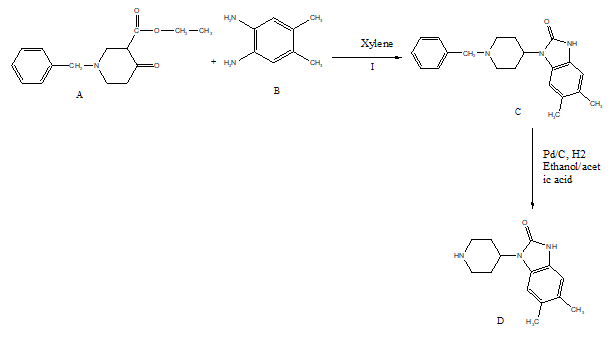
Figure 11:Synthesis of Benzitramide.
When 1-Benzyl-4-oxo-piperidine-3-carboxylic acid ethyl ester (A)react with 4,5-Dimethyl-benzene-1,2-diamine (B) in presence Xylene it gives intermediate 1-(1-Benzyl-piperidin-4-yl)-5,6-dimethyl-1,3-dihydro-benzimidazol-2-one (C) when this intermediate reacts with Pd/C, H2 in presence of Ethanol or acetic acid it will give Benzitramide (D) [84-85].
Omeprazole
Omeprazole [9] having benzimidazole heterocyclic ring which inhibit the Protein Pump in case of acidity. Since they are number of drug that antibiotics, NSAIDs, or non-steroidal anti-inflammatory drugs, such Diclofenac and ibuprofen, aspirin etc produce adverse effect like ulceration, gastric bleeding and dyspepsia. It also having activity of Antioxidant etc. Because the pyridine ring is protonated in the stomach acid environment, these PPIs function as prodrugs. This leads to a chemical rearrangement that first creates sulfenic acid and subsequently sulphonamide by dehydration. [86-90]. Omeprazole [9] has emerged as the preferred medication for treating oesophageal reflux and other gastrointestinal issues associated with acidity which was first introduced in the 1970s. Because omeprazole is a reversible "proton pump" inhibitor, its action is caused via a series of prototrophic mechanisms that reduce the protonic activity of parietal cells. To accurately analyse the drug's chemistry and pharmacology, it is necessary to understand omeprazole [9] phototropic behavior in the aqueous environment, as demonstrated by its pKa values. [91-93].
Synthesis
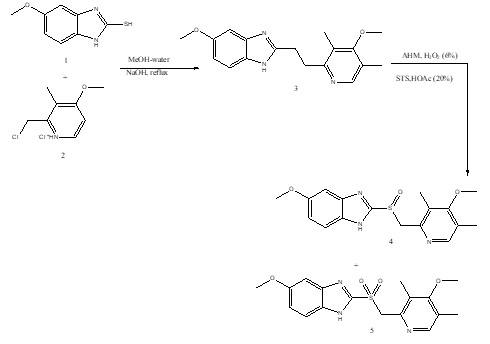
Figure 12:Key reaction conditions for the synthesis of omeprazole.
Scheme 7
When MTX 1 react with water and methanol in presence of NaOH, to increase solubility of MTX the, OMP-Cl2 is added. The mixture was stirred at refluxing at temperature for 60 min The mixture was stirred at reflux temperature for 60 minutes before cooling to 20 degrees Celsius. The resultant suspension, sulfuric acid 3, was added with an AHM (1.78 g, 1.44 mmol) solution in water (40 mL). The agitation setting was 400 rpm. Using a dropping funnel, the mixture was progressively mixed with a 6% (w/w) aqueous H2O2 solution (172 mL, 303.44 mmol) over 90 minutes, keeping the temperature between 20 and 25°CTo keep the pH of the mixture at 9.3, a 40% (w/w) aqueous NaOH solution was added. STS (1.42 g, 5.72 mmol) was added to stop the reaction five minutes after the H2O2 was introduced. To crystallize the product, omeprazole 4, the pH was raised to 9.1 with a 20% aqueous HOAc solution. Throughout the next three hours, the mixture was agitated to maintain a pH of 9.1 and a temperature of 20-25°C. The suspension was then run through a Büchner funnel to filter. The product was washed twice with 100 mL of water and then dried in a vacuum tray dryer at 30°C until it reached a consistent mass. Produced 76.19 grams. [94,95]
Pantoprazole
Pantoprazole [10] is belonged to benzimidazole ring which having ability to inhibit Proton Pump Inhibitor such as gastric H+, K+ -ATPase inhibitors. It having therapeutic effect towards peptic ulcer and gastroesophageal reflux disease [96,97]. Pantoprazole [10] having chemical name 5-(difluoromethoxy)-2- [[(3,4- dimethoxy-2-pyridinyl) methyl] sulfinyl]-1H-benzimidazole [98-99]. The frog stomach was shown to have the enzyme hydrogen-potassium-adenosine triphosphatase (H'K'-ATPase), also known as a proton pump, in the early 1970s. The gastric parietal cell surfaces that line the secretory canaliculi were shown to be the site of this pump's activity. [100,102].
Synthesis
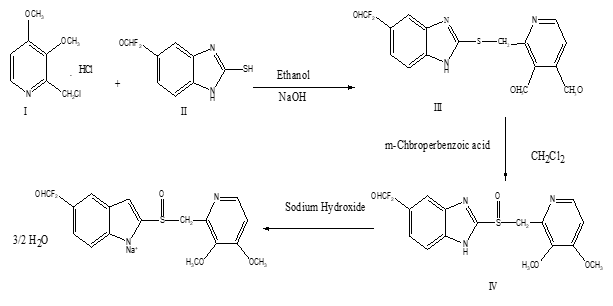
Figure 13:Preparation of pantoprazole sodium.
When 2-Chloromethyl-3,4-dimethoxy-pyridine (I) react with 5-Fluro-1H-benzoimidazole-2-thiol formyl fluoride (II) in presence of ethanol and sodium hydroxide it will form 2-(5-Fluro-1H-benzoimidazol-2-ylsulfanylmethyl)-pyridine-3,4-dicarbaldehyde (III) when this react with m- Chloro perbenzoic acid in presence of Dichloromethane it will of intermediate of 2-(3,4-Dimethoxy-pyridin-2-ylmethanesulfinyl)-5-methyl-1H-benzimidazole (IV) react with sodium hydroxide it will form Pantoprazole. [103,104].
Telmisartan
In 1998, telmisartan [6], a nonpeptide ACE II inhibitor that is highly selective and competitive, received approval for the treatment of hypertension. Over the last 20 years, chemists attempted to investigate telmisartan's sustainable green chemical method. Essential hypertension is a major risk factor for cardiovascular disease, responsible for one-third of all deaths worldwide. The majority of antihypertensive medications target the renin angiotensin system (RAS), which regulates blood pressure and electrolyte/fluid balance. According to Rise, telmisartan was synthesized for the first time with an overall yield of 21%. Large-scale production has exacerbated a number of the route's disadvantages.
These include:
- Excessive nitric acid and sulfuric acid in the nitration of three leads to environmental pollution problems
- Purification of eight generated amount of waste liquid; and
- The alkylation of eight generates regio isomer.
There have since been reports of additional synthetic pathways for telmisartan. A technique using Suzuki cross coupling with a palladium catalyst was reported by Alex. O-cresol was the starting material selected by Wang et al. to achieve a 19% overall yield of telmisartan.
The optimal procedures that are frequently employed in the manufacturing of telmisartan for commercial usage were disclosed by Shen et al. [105-114]
Synthesis
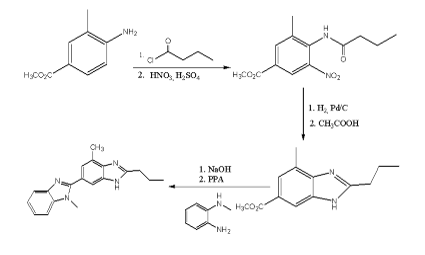
Figure 14:Synthesis of the benzimidazole intermediate (1) from 4-amino-3-methylbenzoic acid methyl ester via multistep functional group transformations.
Scheme 9
It began with the raw material 4-amino-3-methylbenzoic acid methyl ester 2 and proceeded to generate the benzimidazole derivative 5 through amidation, mixed acid nitration, nitro group reduction, and amine cyclization. The target intermediate 1 was generated by saponifying 5 and condensing it with N-methyl-1,2-phenylenediamine 6 at 150 °C in the presence of polyphosphoric acid (PPA). Unfortunately, the use of expensive raw materials and pricy or hazardous reagents, such as flammable palladium-carbon (Pd/C), excess PPA for cyclization as a dehydrating agent and solvent, and mixed acid for nitration, made this protocol complex to operate, increase the risk of safety hazards, result in high production costs, and seriously pollute the environment. [115-119]
Albendazole
Albendazole [ABZ, 14], also known as methyl-[(5-propylthio)-1H-benzimidazozol2-yl], is a popular broad-spectrum anthelmintic medication used in both veterinary and human medicine to prevent and cure infectious disorders caused or transmitted by parasites. Carbamate [120-124]. ABZ [14] has shown high efficacy in treating neurocysticercosis, the most common parasitic infection of the central nervous system caused by the larval form of Taenia solium and the main cause of acquired epilepsy, in the Andean region of South America, Brazil, Central America and Mexico, China, the Indian subcontinent and South-East Asia, and sub-Saharan Africa. [125-127]. The medicine is characterized as forming as colorless crystals with a melting temperature between 2080C and 2100C and being essentially insoluble in water. The compound was patented in 19753. [128-130]. Even though ABZ [14] has been known for more than 35 years and is widely used in treatment [131]. Chiral chromatography is among the most effective of the many techniques available for large-scale enantiomeric separation. Preparative chromatography is a valuable choice for enantiomeric separation due to its robustness, speed, simplicity, and application, especially with the advancement of chiral stationary phases (CSPs) and chromatographic instruments. [132,133].
Synthesis
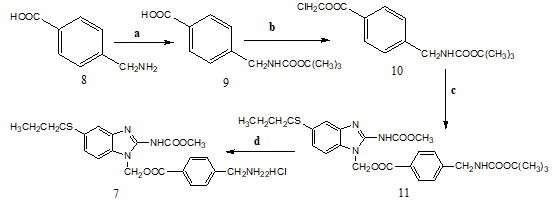
Figure 15:Synthesis of the albendazole derivative (7) through protection, coupling, and deprotection steps.
Scheme 10
(a) O[CO2C(CH3)3]2, tert-BuOH; (b) ClCH2OSO2Cl, CH2Cl2, H2O, [CH3(CH2)3]4N(HSO4), NaHCO3; (c) 1, DMF; (d) HCl/EtOH.
Using the method described by Binderup et al., commercial 8 was treated with ditert-butyldicarbonate to yield 9. This could then be converted to 10.6. Following a two-hour reaction mixture of one and NaH in DMF, a solution of ten in DMF was added. 1-[4-(tert-butoxy-carbonylaminomethyl) benzoyloxymethyl]-albendazole, as a combination of two isomers, was obtained by filtering the suspension after adding water after the reaction had been going on for 12 hours. A second part of compound 11 remained in the mother liquor together with the otherisomer, but their separation was unsuccessful. Compound 11 was produced by recrystallization of the residue from benzene. After compound 11 was dissolved in ethyl acetate, ethanol was added to a 3 N hydrochloric acid solution. To obtain the dihydrochloride of 7, the precipitate was recovered and recrystallized from methyl-ether (Scheme 1). IR, 1 H NMR, 13C NMR, and MS data were used to determine the structures [134-140].
Astemizole
The molecular structures of histamine and the traditional antihistamines are unrelated to those of astemizole [16]. There are also noticeable pharmacological variations. Right now, astemizole is the most effective and selective HI antagonist that is currently understood. It acts for an incredibly long time without having any central (sedative) effects. [141-142]. Janssen Pharmaceutica made the first identification of astemizole in 1977. It was first marketed under the trade name Hismanal after receiving approval from the US Food and Drug Administration in 1988. The product, known as "Astemizole Hismanal," was initially offered for sale in North American markets by Janssen Pharmaceutica (now Johnson and Johnson) in the middle of the 1980s. In 1999, the business decided to remove it from international markets. When exposed to allergies and histamine, astemizole can prevent bronchial and nasal reactions. Astemizole [16] has been shown in multiple investigations to have antimalarial properties as well as selectivity for dopamine, muscarinic acetylcholine, and 5-HT receptors. [143-145]. The primary and potentially lethal toxicity associated with astemizole therapy is cardiotoxicity, often known as torsades de pointes arrhythmia. Although the exact mechanism of astemizole's cardiotoxic effects is unknown, it is believed to follow a similar, if not the same, one as terfenidine. Astemizole and its principal desmethylastemizole metabolite seem to function similarly to terfenidine in inhibiting cardiac delayed potassium rectifier (Ik) channels. [146-148]
Synthesis
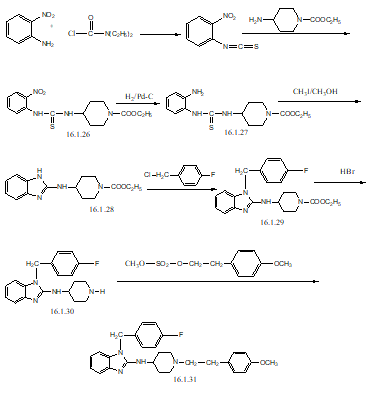
Figure 16:Synthesis of the albendazole derivative (7) through protection, coupling, and deprotection steps.
Scheme 11
Astemizole,1- [(4-fluorophenyl) methyl]-N-[1-[2-(4-methoxyphenyl) ethyl] [4-piperidinyl]-benzimidazol-2-amine (16.1.31) is produced by a multi-step synthesis of 2-nitroisothiocyanobenzol and 1-carbethoxy-4-aminopiperidine, which leads to the creation of a thiourea (16.1.26) derivative. The product's nitro group is reduced and further S-methoxidized. Intermolecular cyclization under reaction circumstances results in N-[1-[2-(4-carethoxy)]], a derivative of benimidazol. There is -4-piperidinyl]benzimidazol-2-amine (16.1.28). After being synthesized, the derivative of aminobenzimidazole is alkylated using 4-fluorobenzylchoride to form 1-[(flurophenyl)methyl]. - N-[1-[2-(4carethoxy)] Benzimidazol-2-amine [4-piperidinyl] (16.1.29). Hydrobromic acid hydrolyzes the carbethoxyl group of the resultant product (16.1.29) to generate a non-substituted derivative of piperidine (16.1.30), which is then alkylated with 2-(4-methoxyphenyl) ethylmetanesulfonate to form astemizole (16.1.31) [149-157].
Therapeutic application of Benzimidazole
Antineoplastic
In 2017, the United States Food and Drug Administration (USFDA) approved abelacilib [ABM, 22] as antineoplastic medication for the treatment of human epidermal growth factor receptor 2 (HER2)-advanced or metastatic hormone receptor (HR)-positive or negative breast cancer. Cell cycle disruption is typically the first step toward the expansion of cancerous cells. A protein known as retinablastoma (Rb) suppresses cancer by limiting the cell cycle during the G1 to S phase transition. Cancer cells' hyperproliferation and disruption of the cell cycle are caused by the phosphorylation of this protein by cyclin-dependent kinases (CDK 4 & 6). By dual inhibiting the CDK 4 and 6 enzyme complex, ABM [22] indirectly limits the phosphorylation of the Rb proteins, which further causes cell cycle arrest in the G1 stage phase and restricts the proliferation of cancer cells. [158-162]. The orally bioavailable CDK4/6 inhibitor to be approved is abelacicol (Verzenio, LY2835219). Abemaciclib [22] inhibits Rb phosphorylation, which results in G1 arrest, as predicted by its capacity to inhibit CDKs. Abemaciclib [22] showed exceptional efficacy against several tumor types in xenograft tumors, including lung, colorectal, MCL, Glioblastoma and AML [163-165]. It also used in treatement of Prostate cancer. Since they are two type of prostate cancer [166-169]. In 2018 by the European Medicines Agency (EMA) was approve to treat postmenopausal women with metastatic breast cancer that is hormone receptor positive (HR+) and human epidermal growth factor receptor 2 negative (HER2). [170-173].When the bendamustine [18] redox behavior was studied at PGE, it was shown to exhibit a one-step reduction and an irreversible, pH-dependent oxidation that happens when the equal amount of protons and electrons are transferred. An alkylating derivative is bendamustine [18]. [174-175]. Bendamustine [18], initially created by Ozegowski and Krebs, is a highly promising medication that can be used to treat a variety of tumor illnesses, including multiple myeloma and non-Hodgkin's lymphoma. [176-184]. A strong pan-HDAC inhibitor with advantageous pharmacokinetic characteristics is pracinostat. HDACs have become common and useful therapeutic targets for anticancer drugs. Five HDAC inhibitors have been licensed thus far for use in cancer treatment, and numerous others are undergoing various stages of clinical studies for a variety of purposes. [185-190]. The US Food and Drug Administration (US FDA) has approved four HDACis for the treatment of multiple myeloma, colorectal cancer (CRC), skin/peripheral T-cell lymphoma, and belinostat. These are vorinostat, romidepsin, panobinostat, and belinostat. In addition to having strong anticancer action, Pracinostat [20] is an oral active pan-HDACi with good absorption, distribution, metabolism, excretion, high bioavailability, and safety. Pracinostat [20] inhibits the interleukin 6/signal transducer and activator of transcription 3 (STAT3) signaling pathway, hence suppressing the spread and proliferation of breast cancer. [191-196]. A novel hydroxamic acid HDACI that is active on the oral route, pracinostat [20] (SB939), selectively inhibits class I, II, and IV histone deacetylases in vitro and exhibits strong antiproliferative action against a broad range of tumor cell lines. It is effective in preclinical models of AML, especially those with FLT3-ITD or JAK2 or JAK2 inhibitors. It works both by itself and in conjunction with pacritinib alterations involving internal tandem duplication [197-200].
Analgesic
Benzitramide [18] (Anquil) and droperidol are structurally similar; the only difference is that the piperidine ring's 4,5 position does not have a double bond. It is categorized as an antipsychotic drug and also falls within the pharmacological group of D2 antagonists. Benperidol, which treats schizophrenia and regulates deviant, antisocial sexual behavior, has sedative, serotonin-, N-cholinoblocking, and somewhat M-cholinomimetic properties. [201-204]
Antiparasitic
In poor nations, parasitic diseases continue to be a serious health concern, primarily affecting the younger population. According to reports, benzimidazole 2-carbamates (BZC), which are primarily employed as anthelmintic drugs, such as mebendazole (Mbz) and albendazole (Abz), prevent protozoa from growing in vitro. Trichomonas vaginalis with Giardia lamblia
Albendaazole [14] interacts with Giardia cytoskeleton tubulin as part of its anti-Giardia lamblia attack. [205-209]. In underdeveloped countries with low resources for maternal health, it is crucial to properly record the health advantages of anthelmintic treatment during pregnancy. A study was conducted in western Sierra Leone to assess the effectiveness of albendazole and iron-folate supplements in managing maternal iron deficiency and anemia. The goal was to prioritize interventions. [210-213]. The anthelmintic drug albendazole [14] is used to treat many parasitic worm species in both humans and animals. It is a member of the benzimidazole methylcarbamates class of compounds. As ivermectin, praziquantel, and ABZ are three of the most significant anthelmintic medications. [214-216]. A parasite infection spread by food that damages muscles is called trichinellosis. where it was treated with albendazole [14,217-218]. Benzoldehyde's therapeutic effect in angiostrongyliasis. The central nervous system's various alterations were examined in a BALB/c mouse model, and the preventive benefits of benzaldehyde plus albendazole were examined [219-221].
Antacid
A new series of benzimidazole derivatives with modified pyrid-2-yl moiety and polyhydroxy sugar attached to the N-benzimidazole moiety have been produced and assessed as orally bio-available anti-inflammatory and anti-ulcerogenic medicines. These substances' anti-inflammatory and anti-ulcerogenic properties were compared to diclofenac and omeprazole. The medications include omeprazole [9], lansoprazole, pantoprazole [10], rabeprazole, and esomeprazole. PPIs are commonly used to treat acid reflux and other gastrointestinal issues. [222-227]. To treat gastric acid hypersecretion disorders, UniDesign redesigns CYP102A1 for stereoselective metabolism of omeprazole (OMP) [9], a proton pump inhibitor, starting from an active but nonstereoselective triple mutant. [228-229]. Helicobacter pylori (H. pylori) is a pathogenic bacterium that affects the stomach. Omeprazole is used to treat Helicobacter pylori [228-233]. Omeprazole [9] is a powerful anti-acid medication. Its absorption and mechanism of action are intimately tied to its prototropic behaviour. [234]. Electrochemical impedance spectroscopy and electrochemical polarization curves were used to analyze Omeprazole (OMP)'s corrosion inhibition performance on X60 steel in 0.5M H2SO4.Omeprazole can oxidize and decrease in a variety of supportive electrolytes. Both processes rely heavily on the pH of the fluid. Omeprazole [9] showed distinct oxidation and reduction signals at both high and low pH levels in the supporting electrolyte. [235-237]. The DOTA connection was strategically placed in the pantoprazole [10] molecule to reduce any potential detrimental effects of the structural change. This chemical is expected to improve functional MRI of the human GI system by delineating the stomach and colon walls [238-240]. Pantoprazole [10], a novel proton pump inhibitor (PPI) licensed in the US, is used to treat erosive esophagitis associated with GERD [241-244].
Anti-Histamine
Astemizole [16] can be a histamine. I antagonist has minimal blood-brain barrier penetration. It preferentially binds to lung histamine receptors over cerebellar histamine. The reduced incidence of central nervous system (eNS) effects in humans could be attributed to the presence of vreceptors. It has little affinity for acetylcholine receptors and lacks beta-adrenergic action. High dosages show signs of serotonin antagonism and affinity for alpha-adrenergic receptors. [245-250]. Astemizole [16] is a long-acting H1-histamine receptor antagonist that has no molecular similarities to recognized medicines. When administered in low doses to guinea pigs, astemizole binds less to cerebellum H1-histamine receptors than to lung H1-histamine receptors. This may explain why human volunteers did not experience sedation or decreased psychomotor performance. [251-254]. Clinical studies in humans have demonstrated Astemizole's [16] great efficacy and long-lasting activity against histamine and allergens in the skin, nose, and bronchi. Astemizole [16] inhibited wheal and flare responses to intradermal histamine in a dose-dependent and long-lasting manner. [255-259]. Astemizole [16], unlike first-generation antihistamines like diphenhydramine and hydroxyzine, is termed 'nonsedating' and lacks the anticholinergic effects of first-generation H-1 antagonists. Patients presenting with astemizole overdose are typically awake or mildly drugged [260-262].
Cardiovascular
Essential hypertension is a major risk factor for cardiovascular disease, accounting for one-third of global fatalities. Antihypertensive medications primarily target the renin angiotensin system (RAS), which regulates blood pressure and electrolyte/fluid balance [263-264]. Telmisartan, marketed as MICARDIS, is a top-selling antihypertensive medication known for its great binding affinity to the AT1 receptor, good absorption, and once-daily dose. (265-266 The FDA approved telmisartan, a highly selective angiotensin II receptor antagonist, as an effective antihypertensive medication [269]. Telmisartan's [6] ability to cross the blood-brain barrier and sluggish clearance from the brain leads to prolonged activity in the brain. It also has an impact on the phenotype of reactive astrocytes under neuroinflammatory situations. [270-272] Additionally, the Telmisartan [6] is thought to prevent Alphavirus-induced encephalitis [273-274]. Telmisartan [6] has been shown to prevent ischemia/reperfusion injury in a mouse model by blocking AT1R. It also provides brain protection, including anti-apoptosis, anti-inflammatory, and anti-oxidant advantages in intracerebral haemorrhage rats [275-277].
Summary and Discussion
Benzimidazole (Abemaciclib, Bendamustin, and Pracinostate) is being explored for the treatment of malignancies such as breast, ovarian, cervical, lung, liver, colorectal, prostate, and pancreatic. Analgesic (Benzitramide), acidic (Omeprazole, Pantaprazole), cardiovascular (Telmisartan), parasitic (Albendazole), histaminic or allergic (Astemizole). Telmisartan has both cardiovascular and anti-diabetic activity and will also inhibit CHIKV. Benzimidazole has been used to create a variety of medications and compounds with a wide range of actions. Molecular docking and other software applications have been used to determine distinct protein bindings with different benzimidazole derivatives.
References
- Mahurkar, Neha D., Nandkishor D. Gawhale, Mahendra N. Lokhande, Santosh J. Uke, and Manisha M. Kodape. "Benzimidazole: A versatile scaffold for drug discovery and beyond–A comprehensive review of synthetic approaches and recent advancements in medicinal chemistry." Results in Chemistry 6 (2023): 101139.
- Gupta, Radha Raman, Mahendra Kumar, and Vandana Gupta. "Five-membered heterocycles with two heteroatoms." In Heterocyclic Chemistry: Volume II: Five-Membered Heterocycles, pp. 357-486. Berlin, Heidelberg: Springer Berlin Heidelberg, 1999.
- Vasava, Mahesh S., Manoj N. Bhoi, Sanjay K. Rathwa, Divya J. Jethava, Prachi T. Acharya, Dhaval B. Patel, and Hitesh D. Patel. "Benzimidazole: A milestone in the field of medicinal chemistry." Mini reviews in medicinal chemistry 20, no. 7 (2020): 532-565.
- Sharp, M. "Chapter 8 Benzimidazoles." Pharmacochem. Libr 25 (1997): 195-238.
- Singh, Pankaj K., and O. M. Silakari. "Benzimidazole: journey from single targeting to multitargeting molecule." In Key heterocycle cores for designing multitargeting molecules, pp. 31-52. Elsevier, 2018.
- Allen, C. F. H., Alan Bell, and C. V. Wilson. "Sulfonamides in the Benzimidazole, Benzothiazole and Benzotriazole Series." Journal of the American Chemical Society 66, no. 5 (1944): 835-837.
- Hunter, Louis, and John A. Marriott. "139. The associating effect of the hydrogen atom. Part VIII. The N–H–N bond. Benziminazoles, glyoxalines, amidines, and guanidines." Journal of the Chemical Society (Resumed) (1941): 777-786.
- Hannah, J., Rogers, E.F. and Graham, D.W., Ger. Often. 2,307,519 (1973); Chem. Abstr. 80, 82982k (1974).
- Rogers, E.F. and Johnstone, D.B.R., Ger. Often. 2,519,979 (1975); Chem. Abstr. 84, 150626g (1976)
- Narayanan, V.L. and Haugwitz, R.D., U.S. Pat. 3,929,414 (1975); Chem. Abstr. 84, 105,605p (1976).
- Dransch, G., Mildenberger, H., Duewel, D., Kirsch, R. and Gebert, U., Ger. Often. 2,245,705 (1975); Chem. Abstr. 84, 121826s (1976).
- Rogers, E.F., Ashton, W.T. and Dybas, R.A., Ger. Of~m. 2,519,978 (1975); Chem. Abstr. 84, 150627h (1976).
- Ashton, W.T. and Rogers, E.F., U.S. Pat. 4,017,504 (1977); Chem. Abstr. 87, 23286h (1977)
- Beard, C.C., Edwards, J.A. and Fried, J.H., U.S. Pat. 4,031,234 (1977); Chem. Abstr. 87, 135333c (1977)
- Agrawal, V. K., S. Sharma, and R. N. Iyer. "Synthesis of 1-(4-substituted-phenyl)-2, 5-disubstituted-benzimidazoles & N, N'-diarylthioureas as anthelmintic & antimicrobial agents." Indian journal of chemistry. Section B: Organic chemistry including medicinal chemistry 20, no. 5 (1981): 398-400.
- Charles, E. S., K. V. Rao, and S. A. T. Y. A. V. A. N. Sharma. "Synthesis of substituted benzamides and benzimidazoles as anthelmintic and antimicrobial agents." Die Pharmazie 37, no. 6 (1982): 413-415.
- Abuzar, Syed, and Satyavan Sharma. "Synthesis of substituted benzimidazoles as potential anthelmintics." (1982): 866-871.
- Chauhan, P.M.S., and Bhakuni, D.S. Indian J. Chem. 26B, 647 (1987).
- Gbadarnassi, M., Barascut, J.L., Irnbach, J.L. and Gayral, P., Eur. J. Med. Ctzem. 23, 225 (1988).
- Domagalina, E., and P. Zawisza. "Synthesis and biological activity of isomeric 5-and 6-nitro-1-alkylbenzimidazoles." Acta poloniae pharmaceutica 46, no. 1 (1989): 19-26.
- Weston, J.B., Pulman, D.A. and Frenke|, A.D., Eur. Pat. Appl. EP 269,230 (1988); Chem. Abstr. 109, 231017w (1988).
- Sluka, J., Zikan, V. and Danek, J., Czek. Farm. 38, 118 (1989); Chem. Abstr. 112, 35750c (1990).
- Sharma, Satyavan, and Syed Abuzar. "The benzimidazole anthelmintics—chemistry and biological activity." Progress in Drug Research/Fortschritte deArzneimittelforschung/Progrès des recherches pharmaceutiques (1983): 85-161.
- Sharma, Satyavan, and Syed Abuzar. "The benzimidazole anthelmintics—chemistry and biological activity." Progress in Drug Research/Fortschritte der Arzneimittelforschung/Progrès des recherches pharmaceutiques (1983): 85-161.
- Khan, A. M., Suman Gupta, J. C. Katiyar, M. Shamim Akhtar, V. L. Sharma, and A. P. Bhaduri. "Studies on enteric anthelmintics: Impact of single point structural change on the activity profile." Zeitschrift für Naturforschung B 43, no. 2 (1988): 233-237.
- Rao, G.R. and Rao, K.S., Indian Drugs, 26, 220 (1989).
- Reamaekers, A.H.M., Van Gelder, J.L.H, Roevens, L.F.G. and Jonssen, P.A.J, Arzeim-Forsch, 28, 586 (1978)
- Raether, W. In ‘Parasitology in Focus Fact & Trends” ed. H. Mehlhorn, Springer Verlag , Heidelberg (1988) pp.739-866
- Abuzar, Syed, Satyavan Sharma, Nigar Fatma, S. Gupta, P. K. Murthy, J. C. Katiyar, R. K. Chatterjee, and A. B. Sen. "Studies in potential filaricides. 18. Synthesis of 2, 2'-disubstituted 5, 5'-dibenzimidazolyl ketones and related compounds as potential anthelmintics." Journal of medicinal chemistry 29, no. 7 (1986): 1296-1299.
- Fatma, Nigar, Satyavan Sharma, and R. K. Chatterjee. "2, 2′-Dicarbomethoxyamino-5, 5′-dibenzimidazolyl ketone—a new antifilarial agent." Acta tropica 46, no. 5-6 (1989): 311-321.
- Hoffer, M. and Parry, C.W., Ann. Rep. Med. Chem. 8, 141 (1973)
- Fisher, Michael H., George Schwartzkopf Jr, and Dale R. Hoff. "Azaindole anthelmintic agents." Journal of Medicinal Chemistry 15, no. 11 (1972): 1168-1171.
- Hernández-Romero, Delia, Sharon Rosete-Luna, Aracely López-Monteon, Aracely Chávez-Piña, Nury Pérez-Hernández, Jazmín Marroquín-Flores, Antonio Cruz-Navarro, Gustavo Pesado-Gómez, David Morales-Morales, and Raúl Colorado-Peralta. "First-row transition metal compounds containing benzimidazole ligands: An overview of their anticancer and antitumor activity." Coordination Chemistry Reviews 439 (2021): 213930.
- Hanusova, Veronika, Lenka Skalova, Vera Kralova, and Petra Matouskova. "Potential anti-cancer drugs commonly used for other indications." Current Cancer Drug Targets 15, no. 1 (2015): 35-52.
- Nath, Joyobrato, Rajib Paul, Sankar Kumar Ghosh, Jaishree Paul, Baby Singha, and Nitu Debnath. "Drug repurposing and relabeling for cancer therapy: Emerging benzimidazole antihelminthics with potent anticancer effects." Life Sciences 258 (2020): 118189.
- Chaudhry, Umer, E. M. Redman, Ray Kaplan, Thomas Yazwinski, Neil Sargison, and John S. Gilleard. "Contrasting patterns of isotype-1 β-tubulin allelic diversity in Haemonchus contortus and Haemonchus placei in the southern USA are consistent with a model of localised emergence of benzimidazole resistance." Veterinary Parasitology 286 (2020): 109240.
- Ghisi, Marc, Ronald Kaminsky, and Pascal Mäser. "Phenotyping and genotyping of Haemonchus contortus isolates reveals a new putative candidate mutation for benzimidazole resistance in nematodes." Veterinary parasitology 144, no. 3-4 (2007): 313-320.
- Furtado, Luis Fernando Viana, Talita Rodrigues Dos Santos, Valéria Nayara Gomes Mendes de Oliveira, and Élida Mara Leite Rabelo. "Genotypic profile of benzimidazole resistance associated with SNP F167Y in the beta-tubulin gene of Necator americanus helminths obtained from Brazilian populations." Infection, Genetics and Evolution 86 (2020): 104594.
- Wright, John B. "The chemistry of the benzimidazoles." Chemical reviews 48, no. 3 (1951): 397-541.
- Banerjee, Sabyasachi, Sougata Mukherjee, Priyobrata Nath, Agnish Mukherjee, Souvik Mukherjee, SK Ashok Kumar, Sourav De, and Subhasis Banerjee. "A critical review of benzimidazole: Sky-high objectives towards the lead molecule to predict the future in medicinal chemistry." Results in Chemistry 6 (2023): 101013.
- Kashid, Bharat B., Anil A. Ghanwat, Vijay M. Khedkar, Balasaheb B. Dongare, Mubarak H. Shaikh, Prathmesh P. Deshpande, and Yogesh B. Wakchaure. "Design, synthesis, in vitro antimicrobial, antioxidant evaluation, and molecular docking study of novel benzimidazole and benzoxazole derivatives." Journal of Heterocyclic Chemistry 56, no. 3 (2019): 895-908.
- Manjunatha, Nemakal, Mohammed Imadadulla, Koodlur Sannegowda Lokesh, and KR Venugopala Reddy. "Synthesis and electropolymerization of tetra-[β-(2-benzimidazole)] and tetra-[β-(2-(1-(4-aminophenyl)) benzimidazole)] embedded cobalt phthalocyanine and their supercapacitance behaviour." Dyes and Pigments 153 (2018): 213-224.
- Cansu-Ergun, Emine Gul. "Chemical insight into benzimidazole containing donor-acceptor-donor type π-conjugated polymers: Benzimidazole as an acceptor." Polymer Reviews 58, no. 1 (2018): 42-62.
- A. El Rashedy, Ahmed, and Hassan Y. Aboul-Enein. "Benzimidazole derivatives as potential anticancer agents." Mini reviews in medicinal chemistry 13, no. 3 (2013): 399-407.
- Yadav, Snehlata, and Balasubramanian Narasimhan. "Perspectives of benzimidazole derivatives as anticancer agents in the new era." Anti-Cancer Agents in Medicinal Chemistry (Formerly Current Medicinal Chemistry-Anti-Cancer Agents) 16, no. 11 (2016): 1403-1425.
- Meng, Jiang Ping, Cheng Bo Hu, and Fei Yue Wu. "Research in Benzimidazole Compounds as Antibacterial Agents." Advanced Materials Research 781 (2013): 1219-1223.
- Wang, Xiumei, Ye Wan, You Zeng, and Yaxin Gu. "Investigation of benzimidazole compound as a novel corrosion inhibitor for mild steel in hydrochloric acid solution." International Journal of Electrochemical Science 7, no. 3 (2012): 2403-2415.
- Goetz, Matthew P., Masakazu Toi, Mario Campone, Joohyuk Sohn, Shani Paluch-Shimon, Jens Huober, In Hae Park et al. "MONARCH 3: abemaciclib as initial therapy for advanced breast cancer." Journal of Clinical Oncology 35, no. 32 (2017): 3638-3646.
- Johnston, Stephen, Miguel Martin, Angelo Di Leo, Seock-Ah Im, Ahmad Awada, Tammy Forrester, Martin Frenzel et al. "MONARCH 3 final PFS: a randomized study of abemaciclib as initial therapy for advanced breast cancer." NPJ breast cancer 5, no. 1 (2019): 5.
- Chong, Qing-Yun, Ze-Hui Kok, Xiaoqiang Xiang, Andrea Li-Ann Wong, Wei-Peng Yong, Gautam Sethi, Peter E. Lobie, Lingzhi Wang, and Boon-Cher Goh. "A unique CDK4/6 inhibitor: current and future therapeutic strategies of abemaciclib." Pharmacological Research 156 (2020): 104686.
- Hino, Hirotsugu, Noriyoshi Iriyama, Hiroko Kokuba, Hiromi Kazama, Shota Moriya, Naoharu Takano, Masaki Hiramoto, Shin Aizawa, and Keisuke Miyazawa. "Abemaciclib induces atypical cell death in cancer cells characterized by formation of cytoplasmic vacuoles derived from lysosomes." Cancer science 111, no. 6 (2020): 2132-2145.
- Kathar, Nachiket, Niraj Rajput, Tarang Jadav, and Pinaki Sengupta. "Potential degradation products of abemaciclib: Identification and structural characterization employing LC-Q/TOF-MS and NMR including mechanistic explanation." Journal of Pharmaceutical and Biomedical Analysis 237 (2024): 115762.
- Chen, Ping, Nathan V. Lee, Wenyue Hu, Meirong Xu, Rose Ann Ferre, Hieu Lam, Simon Bergqvist et al. "Spectrum and degree of CDK drug interactions predicts clinical performance." Molecular cancer therapeutics 15, no. 10 (2016): 2273-2281.
- Litchfield, Lacey M., Karsten Boehnke, Manisha Brahmachary, Cecilia Mur, Chen Bi, Jennifer R. Stephens, J. Michael Sauder et al. "Combined inhibition of PIM and CDK4/6 suppresses both mTOR signaling and Rb phosphorylation and potentiates PI3K inhibition in cancer cells." Oncotarget 11, no. 17 (2020): 1478.
- Frederick, Michael O., and Douglas P. Kjell. "A synthesis of abemaciclib utilizing a Leuckart–Wallach reaction." Tetrahedron Letters 56, no. 7 (2015): 949-951.
- Zhang, T. Y., Scriven, E. F. V. Cyclocondensation process for the preparation of 2- halo-5-(halomethyl)pyridines. U.S. Patent, 5229519 A 19930720, 20 Jul 1993; b) Shao, X.; Liu, Z.; Xu, X.; Li, Z., Qian, X. Overall status of neonicotinoid insecticides in China: production, application and innovation. J. Pestic. Sci. 2013, 38(1), 1.
- Carroll, Michael P., Harold Moloney, Olivia Gowran, Aoibheann O’Connor, Eoin M. Wilson, Michael M. Murray, Mark A. Pietz, Douglas P. Kjell, C. Brad Held, and Michael O. Frederick. "Development of an Improved Route for the Synthesis of an Abemaciclib Intermediate." Organic Process Research & Development 23, no. 11 (2019): 2549-2555.
- Frederick, Michael O., and Douglas P. Kjell. "A synthesis of abemaciclib utilizing a Leuckart–Wallach reaction." Tetrahedron Letters 56, no. 7 (2015): 949-951.
- Erol, Aylin, Fatma Akpınar, and Mihrican Muti. "Electrochemical determination of anticancer drug Bendamustine and its interaction with double strand DNA in the absence and presence of quercetin." Colloids and Surfaces B: Biointerfaces 205 (2021): 111884.
- Chiorcea-Paquim, Ana-Maria, and Ana Maria Oliveira-Brett. "Electrochemistry of chemotherapeutic alkylating agents and their interaction with DNA." Journal of pharmaceutical and biomedical analysis 222 (2023): 115036.
- Martins, Andrew, and Mark Lautens. "A simple, cost-effective method for the regioselective deuteration of anilines." Organic Letters 10, no. 19 (2008): 4351-4353.
- Bijani, Sabera, Vicky Jain, Dharmarajan Padmanabhan, Bipin Pandey, and Anamik Shah. "Mixed Pd/C and Pt/C as efficient catalysts for deuteration of Mesalamine." Tetrahedron Letters 56, no. 10 (2015): 1211-1214.
- Giles, Richard, Amy Lee, Erica Jung, Aaron Kang, and Kyung Woon Jung. "Hydrogen–deuterium exchange of aromatic amines and amides using deuterated trifluoroacetic acid." Tetrahedron letters 56, no. 5 (2015): 747-749.
- Liu, Baomin, Hui Qin, and Yinsheng Zhang. "An efficient and facile synthesis of deuterium‐labeled anticancer agent bendamustine hydrochloride." Journal of Labelled Compounds and Radiopharmaceuticals 61, no. 11 (2018): 869-874.
- Rahman, Md Shaifur, H. M. Jamil, Naznin Akhtar, Rashedul Islam, S. M. Abdul-Awal, Md Masud Rana, and S. M. Asaduzzaman. "Cancer epigenetics and epigenetical therapy." Journal of Experimental & Integrative Medicine 6, no. 3 (2016).
- Chen, Wei, Guoqiang Dong, Ying Wu, Wannian Zhang, Chaoyu Miao, and Chunquan Sheng. "Dual NAMPT/HDAC inhibitors as a new strategy for multitargeting antitumor drug discovery." ACS Medicinal Chemistry Letters 9, no. 1 (2018): 34-38.
- Mottamal, Madhusoodanan, Shilong Zheng, Tien L. Huang, and Guangdi Wang. "Histone deacetylase inhibitors in clinical studies as templates for new anticancer agents." Molecules 20, no. 3 (2015): 3898-3941.
- Ning, Chengqing, Yanjing Bi, Yujun He, WenYuan Huang, Lifei Liu, Yi Li, Sihan Zhang, Xiaoyu Liu, and Niefang Yu. "Design, synthesis and biological evaluation of di-substituted cinnamic hydroxamic acids bearing urea/thiourea unit as potent histone deacetylase inhibitors." Bioorganic & Medicinal Chemistry Letters 23, no. 23 (2013): 6432-6435.
- Wang, Haishan, Niefang Yu, Hongyan Song, Dizhong Chen, Yong Zou, Weiping Deng, Pek Ling Lye et al. "N-Hydroxy-1, 2-disubstituted-1H-benzimidazol-5-yl acrylamides as novel histone deacetylase inhibitors: Design, synthesis, SAR studies, and in vivo antitumor activity." Bioorganic & Medicinal Chemistry Letters 19, no. 5 (2009): 1403-1408.
- Jia, Rong, Pengju Sun, Yan Zhang, Youjin Ge, and Niefang Yu. "Minor structural modifications to Pracinostat produce big changes in its biological responses." Chemical Biology & Drug Design 94, no. 2 (2019): 1488-1493.
- Meijer, D. K. F., G. Hovinga, A. Versluis, J. Bröring, K. Van Aken, F. Moolenaar, and H. Wesseling. "Pharmacokinetics of the oral narcotic analgesic bezitramide and preliminary observations on its effect on experimentally induced pain." European journal of clinical pharmacology 27, no. 5 (1984): 615-618.
- Hendriks, R., M. Michiels, and J. Heykants. "Radio-immunoassay of bezitramide (preclinical research report no. R4845/3)." Janssen Pharmaceutica, Beerse, Belgium (1977).
- H.H. Van Rooy and C. Soe Agnie. Determination of the metabolites of bezitramide in urine 2. Basic metabolite. J. Chromatogr. 156: 189-195 (1978).
- Cochran, William G. "Some methods for strengthening the common χ 2 tests." Biometrics 10, no. 4 (1954): 417-451.
- Leutiger, H. "Die Behandlung schwerster Schmerzzustände mit Dextromoramid1." DMW-Deutsche Medizinische Wochenschrift 85, no. 06 (1960): 227-230.
- Knape, H. "BEZITRAMIDE, AN ORALLY ACTIVE ANALGESIC: An investigation on pain following operations for lumbar disc protrusion (preliminary report)." British Journal of Anaesthesia 42, no. 4 (1970): 325-328.
- Vandenberk J., Kennis LEJ, Van der Aa MJMC, Van Heertum AAM Th. 1-(Benzazolylalkyl) piperidines and their salts with acids, DE 2632870; 1977
- Knape, H. "BEZITRAMIDE, AN ORALLY ACTIVE ANALGESIC: An investigation on pain following operations for lumbar disc protrusion (preliminary report)." British Journal of Anaesthesia 42, no. 4 (1970): 325-328.
- Knape, H. "FURTHER EXPERIENCES WITH BEZITRAMIDE: Its analgestic action and side effects in patients operated upon for lumbar disc protrusion." British Journal of Anaesthesia 43, no. 1 (1971): 76-83.
- Janssen C. Benzimidazolinylpiperidines and tetrahydropyridines, BE 633495; 1963
- Jan, Janssen Paul Adriaan. "Benzimidazolinyl piperidines." U.S. Patent 3,196,157, issued July 20, 1965.
- Rossi, A., A. Hunger, J. Kebrle, and K. Hoffmann. "Benzimidazol‐Derivate und verwandte Heterocyclen V. Die Kondensation von o‐Phenylendiamin mit aliphatischen und alicyclischen β‐Ketoestern." Helvetica Chimica Acta 43, no. 5 (1960): 1298-1313.
- De Baere, Siegrid M., Willy E. Lambert, and André P. De Leenheer. "Quantitative gas chromatographic analysis of [1-(4-piperidinyl)-1, 3-dihydro-2H-benzimidazole-2-one], the basic metabolite of bezitramide (Burgodin®), in human urine." Journal of analytical toxicology 22, no. 1 (1998): 18-26.
- Motawi, T. K.; Abd Elgawad, H. M.; Shahin, N. N. J. Biochem. Mol. Toxicol. 2007, 21,280.
- Lorentzon, Pia, Ray Jackson, Björn Wallmark, and George Sachs. "Inhibition of (H++ K+)-ATPase by omeprazole in isolated gastric vesicles requires proton transport." Biochimica et Biophysica Acta (BBA)-Biomembranes 897, no. 1 (1987): 41-51.
- Shin, Jai Moo, Young Moon Cho, and George Sachs. "Chemistry of covalent inhibition of the gastric (H+, K+)-ATPase by proton pump inhibitors." Journal of the American Chemical Society 126, no. 25 (2004): 7800-7811.
- Jain, Kishor S., Anamik K. Shah, Jitender Bariwal, Suhas M. Shelke, Amol P. Kale, Jayshree R. Jagtap, and Ashok V. Bhosale. "Recent advances in proton pump inhibitors and management of acid-peptic disorders." Bioorganic & medicinal chemistry 15, no. 3 (2007): 1181-1205.
- El-Nezhawy, Ahmed OH, Ayman R. Biuomy, Fatma S. Hassan, Ayman K. Ismaiel, and Hany A. Omar. "Design, synthesis and pharmacological evaluation of omeprazole-like agents with anti-inflammatory activity." Bioorganic & medicinal chemistry 21, no. 7 (2013): 1661-1670.
- Brandstrom, A., N-A. Bergman, Inger Grundevik, Svante Johansson, Lija Tekenbergs-Hjelte, and Kristina Ohlson. "Chemical reactions of omeprazole and omeprazole analogues. III: Protolytic behaviour of compounds in the omeprazole system." Acta chemica scandinavica (1989) 43, no. 6 (1989): 569-576.
- Schwerzenbach, G., and R. Sulzberger. "Über die Alkalinität starker Lösungen der Alkalihydroxyde." Helvetica Chimica Acta 27, no. 1 (1944): 348-362.
- Yang, Rong, Stephen G. Schulman, and Pedro J. Zavala. "Acid–base chemistry of omeprazole in aqueous solutions." Analytica chimica acta 481, no. 1 (2003): 155-164.
- Powell, Keddon A., Ali N. Saleemi, Chris D. Rielly, and Zoltan K. Nagy. "Monitoring continuous crystallization of paracetamol in the presence of an additive using an integrated PAT array and multivariate methods." Organic Process Research & Development 20, no. 3 (2016): 626-636.
- Sahnic, Damir, Ernest Mestrovic, Tomislav Jednacak, Iva Habinovec, Jelena Parlov Vuković, and Predrag Novak. "Monitoring and quantification of omeprazole synthesis reaction by in-line Raman spectroscopy and characterization of the reaction components." Organic process research & development 20, no. 12 (2016): 2092-2099.
- Yatime, L.; Buch-Pedersen, M. J.; Musgaard, M.; Morth, P.; Winther, A.-M. L.; Pedersen, B. P.; Olesen, C.; Andersen, J. P.; Vilsen, B.; Schiøtt, B.; Palmgren, M. G.; Møller, J. V.; Nissen, P.; Fedosova, N. Biochim. Biophys. Acta 2009, 1787, 207. references cited therein; (b) Fujisaki, H.; Shibata, H.; Oketani, K.; Murakami, M.; Fujimoto, M.; Wakabayashi, T.; Yamatsu, I.; Yamaguchi, M.; Sakai, H.; Takeguchi, N. Biochem. Pharmacol. 1991, 42, 321.
- Maharvi, Ghulam M., Adil E. Bharucha, and Abdul H. Fauq. "Synthesis of a DOTA (Gd3+)-conjugate of proton-pump inhibitor pantoprazole for gastric wall imaging studies." Bioorganic & medicinal chemistry letters 23, no. 9 (2013): 2808-2811.
- Kohl, Bernhard, Ernst Sturm, Joerg Senn-Bilfinger, W. Alexander Simon, Uwe Krueger, Hartmann Schaefer, Georg Rainer, Volker Figala, and Kurt Klemm. "(H+, K+)-ATPase inhibiting 2-[(2-pyridylmethyl) sulfinyl] benzimidazoles. 4. A novel series of dimethoxypyridyl-substituted inhibitors with enhanced selectivity. The selection of pantoprazole as a clinical candidate." Journal of medicinal chemistry 35, no. 6 (1992): 1049-1057.
- Reddy, Ganta Madhusudhan, B. Vijaya Bhaskar, P. Pratap Reddy, S. Ashok, P. Sudhakar, J. Moses Babu, K. Vyas, and K. Mukkanti. "Structural identification and characterization of potential impurities of pantoprazole sodium." Journal of pharmaceutical and biomedical analysis 45, no. 2 (2007): 201-210.
- Modlin IM, Sachs G. The discovery of iron pumps. In: Acid Related Diseases: Biology and Treatment. Konstanz, Germany: Schnetztor-Verlag GmbH Konstanz; 1998:9-12.
- Modlin, I. M., and G. Sachs. "Inhibition of the gastric acid pump." Acid related diseases: biology and treatment (1998): 126-145.
- Katz, Philip O. "Pharmacologic basis of pantoprazole dosing." Current therapeutic research 61, no. 8 (2000): 507-522.
- Badwan, Adrian A., Lina N. Nabulsi, M. M. Al Omari, Nidal H. Daraghmeh, Mahmoud K. Ashour, Ahmad M. Abdoh, and A. M. Y. Jaber. "Pantoprazole sodium." In Analytical Profiles of Drug Substances and Excipients, vol. 29, pp. 213-259. Academic Press, 2002.
- Badwan, A. A., L. N. Nabulsi, M. M. Al Omari, N. H. Daraghmeh, M. K. Ashour, A. M. Abdoh, and A. M. Y. Jaber. "Pantoprazole sodium, ananlytical profiles of drug substances and excipients, 29." (2002): 213-259.
- A.J. Battershill, L.J. Scott, Drugs 66 (2006) 51e83.
- P. Wang, W.-s. Xiang, Tetrahedron 68 (2012) 2509e2512.
- K.S. Reddy, N. Srinivasan, V.T. Mathad, Org. Process Res. Dev. 11 (2007) 81e85.
- U.J. Ries, G. Mihm, B. Narr, K.M. Hasselbach, H. Wittneben, M. Entzeroth, J.C.A. van Meel, W. Wienen, N.H. Hauel, J. Med. Chem. 36 (1993) 4040e4051.
- American Chemical Society. Chemistry, process design, and safety for the nitration industry. American Chemical Society, 2013.
- K.K. Laali, V.J. Gettwert, J. Org. Chem. 66 (2001) 35e40
- S. Tyagi, D. Rawtani, N. Khatri, M. Tharmavaram, J. Water Proc. Eng. 21 (2018) 84e95.
- J.T. Vicenzi, T.Y. Zhang, R.L. Robey, C.A. Alt, Org. Process Res. Dev. 3 (1999) 56e59.
- Whitworth, J. A. "World Health Organization, International Society of Hypertension Writing Group." J Hypertens 21 (2003): 1983-1992.
- Berellini, G.; Cruciani, G.; Mannhold, R. J. Med. Chem. 2005, 48, 4389; (b) Wexler, R. R.; Greenlee, W. J.; Irvin, J. D.; Goldberg, M. R.; Prendergast, K.; Smith, R. D.; Timmermans, P. B. M. W. M. J. Med. Chem.1996, 39, 625; (c) Unger, T. Am. J. Cardiol. 1999, 84, 9S.
- Kumar, A. Sanjeev, Samir Ghosh, R. Soundararajan, and G. N. Mehta. "An improved synthesis of Telmisartan: an antihypertensive drug." ARKIVOC: Online Journal of Organic Chemistry (2009).
- Wang, Ping, Guo-jun Zheng, Ya-ping Wang, Xiang-jing Wang, He-geng Wei, and Wen-sheng Xiang. "Highly practical and cost-efficient synthesis of telmisartan: an antihypertensive drug." Tetrahedron 68, no. 11 (2012): 2509-2512.
- Zhao, Jianhong, Yicheng Xiong, Wu-Lin Yang, Fan Yang, and Yu Jin. "Highly efficient and practical synthesis of the key intermediate of telmisartan." Organic Process Research & Development 25, no. 4 (2021): 1022-1027.
- Li, Rui, Makhmudjon Khakimov, Fuqiang Zhu, Xiangrui Jiang, and Jingshan Shen. "Synthesis of telmisartan via oxidative cyclization." Tetrahedron 130 (2023): 133168.
- Martin, Alex D., Ali R. Siamaki, Katherine Belecki, and B. Frank Gupton. "A convergent approach to the total synthesis of telmisartan via a suzuki cross-coupling reaction between two functionalized benzimidazoles." The Journal of Organic Chemistry 80, no. 3 (2015): 1915-1919.
- Moreno, L., F. Echevarria, F. Muñoz, L. Alvarez, S. Sanchez Bruni, and C. Lanusse. "Dose-dependent activity of albendazole against benzimidazole-resistant nematodes in sheep: relationship between pharmacokinetics and efficacy." Experimental parasitology 106, no. 3-4 (2004): 150-157.
- Urbani, Carlo, and Marco Albonico. "Anthelminthic drug safety and drug administration in the control of soil-transmitted helminthiasis in community campaigns." Acta tropica 86, no. 2-3 (2003): 215-221.
- Horton, J. "Albendazole: a review of anthelmintic efficacy and safety in humans." Parasitology 121, no. S1 (2000): S113-S132.
- Sotelo, Julio, and Helgi Jung. "Pharmacokinetic optimisation of the treatment of neurocysticercosis." Clinical pharmacokinetics 34, no. 6 (1998): 503-515.
- Cruz, I., M. E. Cruz, F. Carrasco, and J. Horton. "Neurocysticercosis: optimal dose treatment with albendazole." Journal of the neurological sciences 133, no. 1-2 (1995): 152-154.
- Pal, Deb K., Arturo Carpio, and Josemir WAS Sander. "Neurocysticercosis and epilepsy in developing countries." Journal of Neurology, Neurosurgery & Psychiatry 68, no. 2 (2000): 137-143.
- WHO, Fifty-Sixth World Health Assembly Provisional Agenda Item 14.2 A56/10 ed., 2003
- Belaz, Katia Roberta A., Marina Denadai, Ana Paula Almeida, Raquel T. Lima, M. Helena Vasconcelos, M. Madalena Pinto, Quezia B. Cass, and Regina V. Oliveira. "Enantiomeric resolution of albendazole sulfoxide by semipreparative HPLC and in vitro study of growth inhibitory effects on human cancer cell lines." Journal of pharmaceutical and biomedical analysis 66 (2012): 100-108.
- Gyurik, R. J., and V. J. Theodorides. "Methyl 5-propylthio-2-benzimidazolcarbamate." US patent, ed.: SmithKline Corporation (1975).
- O’Neil, Maryadele J., Ann Smith, and Patricia E. Heckelman. "The Merck Index—An Encyclopedia of Chemicals, Drugs, and Biologicals; Merck and Co." Inc.: Whitehouse Station, NJ, USA 1204 (2006).
- Psimadas, Dimitrios, Panagiotis Georgoulias, Varvara Valotassiou, and George Loudos. "Molecular nanomedicine towards cancer: 111In-labeled nanoparticles." Journal of pharmaceutical sciences 101, no. 7 (2012): 2271-2280.
- Grant, David JW. "Theory and origin of polymorphism." Polymorphism in pharmaceutical solids (1999): 1-34.
- Cox, Geoffrey B. "Preparative Enantioselective Chromatography." (1988).
- Lourenço, Tiago C., João M. Batista Jr, Maysa Furlan, Yanan He, Laurence A. Nafie, Cesar C. Santana, and Quezia B. Cass. "Albendazole sulfoxide enantiomers: preparative chiral separation and absolute stereochemistry." Journal of Chromatography A 1230 (2012): 61-65.
- Singh, Sudhir K., and Satyavan Sharma. "Current status of medicinal research in helminth diseases." Medicinal research reviews 11, no. 6 (1991): 581-615.
- Sharma, S. "Design of new drugs for helminth diseases: lead optimization in benzimidazoles." Advances in Drug Research 25 (1994): 103-172.
- Jung, Helgi, Morcela Hurtado, Monica Sanchez, Marco T. Medina, and Julio Sotelo. "Clinical pharmacokinetics of albendazole in patients with brain cysticercosis." The Journal of Clinical Pharmacology 32, no. 1 (1992): 28-31.
- Nielsen, Lise Sylvest, Frank Sløk, and Hans Bundgaard. "N-alkoxycarbonyl prodrugs of mebendazole with increased water solubility." International journal of pharmaceutics 102, no. 1-3 (1994): 231-239.
- Nielsen, L. S., H. Bundgaard, and E. Falch. "Prodrugs of thiabendazole with increased water-solubility." Acta pharmaceutica nordica 4, no. 1 (1992): 43-49.
- Binderup, E., and E. T. Hansen. "Chlorosulfates as reagents in the synthesis of carboxylic acid esters under phase-transfer conditions." Synthetic Communications 14, no. 9 (1984): 857-864.
- Hernández-Luis, Francisco, Alicia Hernández-Campos, Lilián Yépez-Mulia, Roberto Cedillo, and Rafael Castillo. "Synthesis and hydrolytic stability studies of albendazole carrier prodrugs." Bioorganic & medicinal chemistry letters 11, no. 11 (2001): 1359-1362.
- Awouters, F. H., C. J. Niemegeers, and P. A. J. Janssen. "Pharmacology of the specific histamine H1-antagonist astemizole." Arzneimittel-Forschung 33, no. 3 (1983): 381-388.
- Van Wauwe. /, Awouters F. Niemegeers CJE. Janssens F. Van Nueten J R, Janssen PAJ. In "il'o pharmacology of astemi7.0le, a new type of H ,-antishistamine compound. Arch. Int. Pharmacodyn. Ther. 251:( I) 39-51, 1981
- Bartra, J., A. L. Valero, A. Del Cuvillo, I. Dávila, I. Jáuregui, J. Montoro, J. Mullol, and J. Sastre. "Interactions of the H." J Investig Allergol Clin Immunol 16, no. 1 (2006): 29-36.
- Borowiec, Anne-Sophie, Frédéric Hague, Valérie Gouilleux-Gruart, Kaiss Lassoued, and Halima Ouadid-Ahidouch. "Regulation of IGF-1-dependent cyclin D1 and E expression by hEag1 channels in MCF-7 cells: the critical role of hEag1 channels in G1 phase progression." Biochimica et Biophysica Acta (BBA)-Molecular Cell Research 1813, no. 5 (2011): 723-730.
- Shafiee A, Khoobi M. Astemizole. Encycl Toxicol Third Ed. 2014;1:332–5.
- Burke, Tim G., and Alan H. Mutnick. "Ventricular fibrillation and anoxic encephalopathy secondary to astemizole overdose." Annals of Pharmacotherapy 27, no. 2 (1993): 239-241.
- HEIDEMAN, SABRINA M., and ASHOK P. SARNAIK. "Arrhythmias after astemizole overdose." Pediatric emergency care 12, no. 2 (1996): 102-104.
- Reed MD. Astemizole Atrazine. 2005;187–8.
- M. Lyuckx, F. Janssens, U.S. Pat. 4.219.559 (1980)
- M. Lyuckx, F. Janssens, R. Stockbroekx, J. Torremans, Eur. Pat. Appl., 5318 (1979)
- Herxheimer, H. "Antihistamine Drugs." British Medical Journal 1, no. 4559 (1948): 999.
- Janssens, Frans, Raymond Stokbroekx, Joseph Torremans, and Marcel Luyckx. "N-Heterocyclyl-4-piperidinamines." U.S. Patent 4,219,559, issued August 26, 1980.
- Janssens, Frans, Joseph Torremans, Marcel Janssen, Raymond A. Stokbroekx, Marcel Luyckx, and Paul AJ Janssen. "New antihistaminic N-heterocyclic 4-piperidinamines. 1. Synthesis and antihistaminic activity of N-(4-piperidinyl)-1H-benzimidazol-2-amines." Journal of medicinal chemistry 28, no. 12 (1985): 1925-1933.
- Janssens, Frans, Joseph Torremans, Marcel Janssen, Raymond A. Stokbroekx, Marcel Luyckx, and Paul AJ Janssen. "New antihistaminic N-heterocyclic 4-piperidinamines. 2. Synthesis and antihistaminic activity of 1-[(4-fluorophenyl) methyl]-N-(4-piperidinyl)-1H-benzimidazol-2-amines." Journal of medicinal chemistry 28, no. 12 (1985): 1934-1943.
- Janssens, Frans, Marcel AC Janssen, Frans Awouters, Carlos JE Niemegeers, and Gabriel Vanden Bussche. "Chemical development of astemizole‐like compounds." Drug Development Research 8, no. 1‐4 (1986): 27-36.
- Thijssen, J. B. A., A. G. Knaeps, and J. J. P. Heykants. "Synthesis of 3H‐and 14C‐labelled astemizole (R 43 512)." Journal of Labelled Compounds and Radiopharmaceuticals 20, no. 7 (1983): 861-868.
- deParrodi, Cecilia Anaya, Leticia Quintero-Cortés, and Jesús Sandoval-Ramírez. "A short synthesis of astemizole." Synthetic communications 26, no. 17 (1996): 3323-3329.
- Chong, Qing-Yun, Ze-Hui Kok, Xiaoqiang Xiang, Andrea Li-Ann Wong, Wei-Peng Yong, Gautam Sethi, Peter E. Lobie, Lingzhi Wang, and Boon-Cher Goh. "A unique CDK4/6 inhibitor: current and future therapeutic strategies of abemaciclib." Pharmacological Research 156 (2020): 104686.
- Hino, Hirotsugu, Noriyoshi Iriyama, Hiroko Kokuba, Hiromi Kazama, Shota Moriya, Naoharu Takano, Masaki Hiramoto, Shin Aizawa, and Keisuke Miyazawa. "Abemaciclib induces atypical cell death in cancer cells characterized by formation of cytoplasmic vacuoles derived from lysosomes." Cancer science 111, no. 6 (2020): 2132-2145.
- Corona, Silvia Paola, and Daniele Generali. "Abemaciclib: a CDK4/6 inhibitor for the treatment of HR+/HER2− advanced breast cancer." Drug design, development and therapy (2018): 321-330.
- Thakkar, Disha, and Abhijeet S. Kate. "Update on metabolism of abemaciclib: In silico, in vitro, and in vivo metabolite identification and characterization using high resolution mass spectrometry." Drug Testing and Analysis 12, no. 3 (2020): 331-342.
- Kathar, Nachiket, Niraj Rajput, Tarang Jadav, and Pinaki Sengupta. "Potential degradation products of abemaciclib: Identification and structural characterization employing LC-Q/TOF-MS and NMR including mechanistic explanation." Journal of Pharmaceutical and Biomedical Analysis 237 (2024): 115762.
- Chen, Ping, Nathan V. Lee, Wenyue Hu, Meirong Xu, Rose Ann Ferre, Hieu Lam, Simon Bergqvist et al. "Spectrum and degree of CDK drug interactions predicts clinical performance." Molecular cancer therapeutics 15, no. 10 (2016): 2273-2281.
- Gelbert, Lawrence M., Shufen Cai, Xi Lin, Concepcion Sanchez-Martinez, Miriam Del Prado, Maria Jose Lallena, Raquel Torres et al. "Preclinical characterization of the CDK4/6 inhibitor LY2835219: in-vivo cell cycle-dependent/independent anti-tumor activities alone/in combination with gemcitabine." Investigational new drugs 32, no. 5 (2014): 825-837.
- Poratti, Melania, and Giovanni Marzaro. "Third-generation CDK inhibitors: A review on the synthesis and binding modes of Palbociclib, Ribociclib and Abemaciclib." European Journal of Medicinal Chemistry 172 (2019): 143-153.
- Du, Qi, Xiang Guo, Miao Wang, Yongfu Li, Xiaoyi Sun, and Qin Li. "The application and prospect of CDK4/6 inhibitors in malignant solid tumors." Journal of hematology & oncology 13, no. 1 (2020): 41.
- Pernas, Sonia, Sara M. Tolaney, Eric P. Winer, and Shom Goel. "CDK4/6 inhibition in breast cancer: current practice and future directions." Therapeutic advances in medical oncology 10 (2018): 1758835918786451.
- Eskiler, Gamze Guney, Asuman Deveci Ozkan, Ayten Haciefendi, and Cemil Bilir. "Mechanisms of abemaciclib, a CDK4/6 inhibitor, induced apoptotic cell death in prostate cancer cells in vitro." Translational Oncology 15, no. 1 (2022): 101243.
- Gong, Xueqian, Lacey M. Litchfield, Yue Webster, Li-Chun Chio, Swee Seong Wong, Trent R. Stewart, Michele Dowless et al. "Genomic aberrations that activate D-type cyclins are associated with enhanced sensitivity to the CDK4 and CDK6 inhibitor abemaciclib." Cancer cell 32, no. 6 (2017): 761-776.
- Shapiro, Geoffrey, Lee S. Rosen, Anthony W. Tolcher, Jonathan Wade Goldman, Leena Gandhi, Kyriakos P. Papadopoulos, Sara M. Tolaney et al. "A first-in-human phase I study of the CDK4/6 inhibitor, LY2835219, for patients with advanced cancer." (2013): 2500-2500.
- Morschhauser, Franck, Kamal Bouabdallah, Stephan Stilgenbauer, Catherine Thieblemont, Martin Wolf, Sophie de Guibert, Florian Zettl et al. "Clinical activity of abemaciclib (LY2835219), a cell cycle inhibitor selective for CDK4 and CDK6, in patients with relapsed or refractory mantle cell lymphoma." Blood 124, no. 21 (2014): 3067.
- Voli, Lou Anna, Janat A. Mamyrbékova, and Jean-Pierre Bazureau. "Abemaciclib, a recent novel FDA-Approved small molecule inhibiting cyclin-dependant kinase 4/6 for the treatment of metastatic breast cancer: A mini-review." Open Journal of Medicinal Chemistry 10, no. 03 (2020): 128-138.
- Ghorpade, Rina, Ami Jani, and Jennifer Bolyard. "A FATAL CASE OF ABEMACICLIB-INDUCED PULMONARY TOXICITY." Chest 164, no. 4 (2023): A2183-A2184.
- Erol, Aylin, Fatma Akpınar, and Mihrican Muti. "Electrochemical determination of anticancer drug Bendamustine and its interaction with double strand DNA in the absence and presence of quercetin." Colloids and Surfaces B: Biointerfaces 205 (2021): 111884.
- Chiorcea-Paquim, Ana-Maria, and Ana Maria Oliveira-Brett. "Electrochemistry of chemotherapeutic alkylating agents and their interaction with DNA." Journal of pharmaceutical and biomedical analysis 222 (2023): 115036.
- B.D. Cheson, M.J. Rummel, J. Clin. Oncol. 27 (2009) 1492e1501.
- K.U. Chow, S. Boehrer, K. Geduldig, A. Krapohl, D. Hoelzer, P.S. Mitrou, E. Weidmann, Haematologica 86 (2001) 485e493.
- A. Forero-Torres, M.N. Saleh, Clin. Lymphoma Myeloma 8 (2007) 13e17.
- S. Lonial, Clin. Lymphoma Myeloma 8 (2007) 18e23.
- G.L. Plosker, N.J. Carter, Drugs 68 (2008) 2645e2660.
- W. Ponisch, M. Rozanski, H. Goldschmidt, F.A. Hoffmann, T. Boldt, A. Schwarzer, U. Ritter, R. Rohrberg, E. Schwalbe, J. Uhlig, T. Zehrfeld, V. Schirmer, A. Haas, U. Kreibich, D. Niederwieser, Biochem. Pharmacol. 143 (2008) 191e200.
- D. Schrijvers, J.B. Vermorken, Semin. Oncol. 29 (2002) 15e18.
- E. Weidmann, S.Z. Kim, A. Rost, H. Schuppert, G. Seipelt, D. Hoelzer, P.S. Mitrou, Ann. Oncol. 13 (2002) 1285e1289.
- Scutaru, Ana Maria, Maxi Wenzel, and Ronald Gust. "Bivalent bendamustine and melphalan derivatives as anticancer agents." European journal of medicinal chemistry 46, no. 5 (2011): 1604-1615.
- Rahman, Md Shaifur, H. M. Jamil, Naznin Akhtar, Rashedul Islam, S. M. Abdul-Awal, Md Masud Rana, and S. M. Asaduzzaman. "Cancer epigenetics and epigenetical therapy." Journal of Experimental & Integrative Medicine 6, no. 3 (2016).
- Chen, Wei, Guoqiang Dong, Ying Wu, Wannian Zhang, Chaoyu Miao, and Chunquan Sheng. "Dual NAMPT/HDAC inhibitors as a new strategy for multitargeting antitumor drug discovery." ACS Medicinal Chemistry Letters 9, no. 1 (2018): 34-38.
- Mottamal, Madhusoodanan, Shilong Zheng, Tien L. Huang, and Guangdi Wang. "Histone deacetylase inhibitors in clinical studies as templates for new anticancer agents." Molecules 20, no. 3 (2015): 3898-3941.
- Ning, Chengqing, Yanjing Bi, Yujun He, WenYuan Huang, Lifei Liu, Yi Li, Sihan Zhang, Xiaoyu Liu, and Niefang Yu. "Design, synthesis and biological evaluation of di-substituted cinnamic hydroxamic acids bearing urea/thiourea unit as potent histone deacetylase inhibitors." Bioorganic & Medicinal Chemistry Letters 23, no. 23 (2013): 6432-6435.
- Razak, A. R. A., S. J. Hotte, L. L. Siu, E. X. Chen, H. W. Hirte, J. Powers, W. Walsh et al. "Phase I clinical, pharmacokinetic and pharmacodynamic study of SB939, an oral histone deacetylase (HDAC) inhibitor, in patients with advanced solid tumours." British journal of cancer 104, no. 5 (2011): 756-762.
- Jia, Rong, Pengju Sun, Yan Zhang, Youjin Ge, and Niefang Yu. "Minor structural modifications to Pracinostat produce big changes in its biological responses." Chemical Biology & Drug Design 94, no. 2 (2019): 1488-1493.
- Sedky, Nada K., Alyaa A. Hamdan, Salma Emad, Aya L. Allam, Mohamed Ali, and Mai F. Tolba. "Insights into the therapeutic potential of histone deacetylase inhibitor/immunotherapy combination regimens in solid tumors." Clinical and Translational Oncology 24, no. 7 (2022): 1262-1273.
- Matthews, Geoffrey M., Parinaz Mehdipour, Leonie A. Cluse, Katrina J. Falkenberg, Eric Wang, Mareike Roth, Fabio Santoro et al. "Functional-genetic dissection of HDAC dependencies in mouse lymphoid and myeloid malignancies." Blood, The Journal of the American Society of Hematology 126, no. 21 (2015): 2392-2403.
- Garmpis, Nikolaos, Christos Damaskos, Anna Garmpi, Afroditi Nonni, Vasiliki E. Georgakopoulou, Efstathios Antoniou, Dimitrios Schizas et al. "Histone deacetylases and their inhibitors in colorectal cancer therapy: Current evidence and future considerations." Current Medicinal Chemistry 29, no. 17 (2022): 2979-2994.
- Chen, Jing, Na Li, Boxia Liu, Jun Ling, Wenjun Yang, Xiufeng Pang, and Tao Li. "Pracinostat (SB939), a histone deacetylase inhibitor, suppresses breast cancer metastasis and growth by inactivating the IL-6/STAT3 signalling pathways." Life Sciences 248 (2020): 117469.
- Liang, Xiao-Ling, Lan Ouyang, Nan-Nan Yu, Zheng-Hua Sun, Zi-Kang Gui, Yu-Long Niu, Qing-Yu He, Jing Zhang, and Yang Wang. "Histone deacetylase inhibitor pracinostat suppresses colorectal cancer by inducing CDK5-Drp1 signaling-mediated peripheral mitofission." Journal of pharmaceutical analysis 13, no. 10 (2023): 1168-1182.
- Mensah, Afua Adjeiwaa, Filippo Spriano, Giulio Sartori, Valdemar Priebe, Luciano Cascione, Eugenio Gaudio, Chiara Tarantelli et al. "Study of the antilymphoma activity of pracinostat reveals different sensitivities of DLBCL cells to HDAC inhibitors." Blood Advances 5, no. 10 (2021): 2467-2480.
- Novotny-Diermayr, Veronica, Kanda Sangthongpitag, Chang Yong Hu, Xiaofeng Wu, Nina Sausgruber, Pauline Yeo, Gediminas Greicius et al. "SB939, a novel potent and orally active histone deacetylase inhibitor with high tumor exposure and efficacy in mouse models of colorectal cancer." Molecular cancer therapeutics 9, no. 3 (2010): 642-652.
- Novotny-Diermayr, V1, S. Hart, K. C. Goh, A. Cheong, L. C. Ong, H. Hentze, M. K. Pasha, R. Jayaraman, K. Ethirajulu, and J. M. Wood. "The oral HDAC inhibitor pracinostat (SB939) is efficacious and synergistic with the JAK2 inhibitor pacritinib (SB1518) in preclinical models of AML." Blood cancer journal 2, no. 5 (2012): e69-e69.
- Bose, Prithviraj, and Steven Grant. "Orphan drug designation for pracinostat, volasertib and alvocidib in AML." Leukemia research 38, no. 8 (2014): 862-865.
- Ganai, Shabir Ahmad. "Characterizing binding intensity and energetic features of histone deacetylase inhibitor pracinostat towards class I HDAC isozymes through futuristic drug designing strategy." In Silico Pharmacology 9, no. 1 (2021): 18.
- Fluegel, K. A., and W. M. Pfeiffer. "Clinical experiences with butyrophenone benperidol." Arzneimittel-Forschung 17, no. 4 (1967): 483-485.
- Seiler, Walther, Hermann Wetzel, Andreas Hillert, Günter Schöllnhammer, Michael Langer, Uwe Barlage, and Christoph Hiemke. "Pharmacokinetics and bioavailability of benperidol in schizophrenic patients after intravenous and two different kinds of oral application." Psychopharmacology 116, no. 4 (1994): 457-463.
- Germane S, Veselova SV. Benperidol (review). Eksperiment Klin Farmakoter 1982; 11:6-15. [24] Leucht S, Hartung B. Benperidol for schizophrenia. Cochrane Database Syst Rev 2005; (2):CD003083.
- Vardanyan, R. "Piperidine-based nonfused biheterocycles with C–N and C–C coupling." Piperidine-Based Drug Discovery. edn. United States: Elsevier Ltd (2017): 241-67.
- Cedillo-Rivera, R., and O. Munoz. "In-vitro susceptibility of Giardia lamblia to albendazole, mebendazole and other chemotherapeutic agents." Journal of medical microbiology 37, no. 3 (1992): 221-224.
- CHAVEZ, BIBIANA, R. O. B. E. R. T. O. CEDILLO‐RIVERA, and A. D. O. L. F. O. MARTINEZ‐PALOMO. "Giardia lamblia: ultrastructural study of the in vitro effect of benzimidazoles." The Journal of protozoology 39, no. 4 (1992): 510-515.
- Sears, S. D., and J. O'hare. "In vitro susceptibility of Trichomonas vaginalis to 50 antimicrobial agents." Antimicrobial agents and chemotherapy 32, no. 1 (1988): 144-146.
- Reynoldson, J. A., R. C. A. Thompson, and R. J. Horton. "Albendazole as a future antigiardial agent." Parasitology Today 8, no. 12 (1992): 412-414.
- Navarrete-Vazquez, Gabriel, Lilian Yepez, Alicia Hernandez-Campos, Amparo Tapia, Francisco Hernandez-Luis, Roberto Cedillo, Jose Gonzalez, Antonio Martınez-Fernandez, Mercedes Martınez-Grueiro, and Rafael Castillo. "Synthesis and antiparasitic activity of albendazole and mebendazole analogues." Bioorganic & Medicinal Chemistry 11, no. 21 (2003): 4615-4622.
- Albonico, Marco, Peter G. Smith, Andrew Hall, Hababu M. Chwaya, Kassim S. Alawi, and Lorenzo Savioli. "A randomized controlled trial comparing mebendazole and albendazole against Ascaris, Trichuris and hookworm infections." Transactions of the Royal Society of Tropical Medicine and Hygiene 88, no. 5 (1994): 585-589.
- Atukorala. T. M. S. de Silva. L. D. R. Decherine. W. H. I. C. Dassenaeike, T. S. de C. &Perera, R: S. (1994) %valuati”on of effectiveness of iron-folate supplementation and anthelmintic therapy against anaemia in pregnancy-a study in the plantation sector of Sri Lanka, American Journal of Clincial Nutrition, 60, 286-292.
- Pawlowski, Z. S. "Anthelmintic therapy and iron supplementation of pregnant women." The American journal of clinical nutrition 62, no. 5 (1995): 1023-1024.
- Torlesse, H., and M. Hodges. "Albendazole therapy and reduced decline in haemoglobin concentration during pregnancy (Sierra Leone)." Transactions of the Royal Society of Tropical Medicine and Hygiene 95, no. 2 (2001): 195-201.
- Pharmaceutical stress testing predicting drug degradation. Healthcare, London. Belaz, K.R.A., Cass, Q.B., Oliveira, R.V., 2008.
- Attia, Khalid Abdel-Salam, Ahmad Abdel-Halim Mohamad, and Mohamed Saleh Emara. "Determination of albendazole in the presence of its alkaline degradation product using TLC-densitometric and chemometric methods: A comparative study." Eurasian Journal of Analytical Chemistry 12, no. 4 (2017): 365-383.
- Ardila, Jorge Armando, Benedito Roberto de Alvarenga Junior, Luis Cuadrado Durango, Frederico Luis Felipe Soares, Bruno Perlatti, Josiane de Oliveira Cardoso, Regina Vincenzi Oliveira, Moacir Rossi Forim, and Renato Lajarim Carneiro. "Design of experiments applied to stress testing of pharmaceutical products: A case study of Albendazole." European Journal of Pharmaceutical Sciences 165 (2021): 105939.
- Huang, Haibin, Jiayun Yao, Ke Liu, Wentao Yang, Guan Wang, Chunwei Shi, Yanlong Jiang et al. "Sanguinarine has anthelmintic activity against the enteral and parenteral phases of trichinella infection in experimentally infected mice." Acta tropica 201 (2020): 105226.
- Eissa, Fatma MA, Ahmed HA Eassa, Rabab S. Zalat, Mohamed S. Negm, and Marwa A. Elmallawany. "Potential therapeutic effect of platelet-rich plasma and albendazole on the muscular phase of experimental Trichinella spiralis infection." Food and Waterborne Parasitology 28 (2022): e00180.
- Moon, Chang Yoon, Cheol Ryong Ku, Yoon Hee Cho, and Eun Jig Lee. "Protocatechuic aldehyde inhibits migration and proliferation of vascular smooth muscle cells and intravascular thrombosis." Biochemical and biophysical research communications 423, no. 1 (2012): 116-121.
- Kang, Jung-Il, Youn Kyung Choi, Sang-Chul Han, Hyunwoo Nam, Gilwoo Lee, Ji-Hoon Kang, Young Sang Koh, Jin Won Hyun, Eun-Sook Yoo, and Hee-Kyoung Kang. "5-Bromo-3, 4-dihydroxybenzaldehyde promotes hair growth through activation of wnt/β-catenin and autophagy pathways and inhibition of TGF-β pathways in dermal papilla cells." Molecules 27, no. 7 (2022): 2176.
- Chen, Kuang-Yao, Chien-Ju Cheng, Yi-Ju Chen, Cheng-Hsun Chiu, and Lian-Chen Wang. "Protective effect of benzaldehyde combined with albendazole against brain injury induced by Angiostrongylus cantonensis infection in mice." International Journal of Antimicrobial Agents 62, no. 5 (2023): 106963.
- Chen, Kuang-Yao, Chien-Ju Cheng, Yi-Ju Chen, Cheng-Hsun Chiu, and Lian-Chen Wang. "Protective effect of benzaldehyde combined with albendazole against brain injury induced by Angiostrongylus cantonensis infection in mice." International Journal of Antimicrobial Agents 62, no. 5 (2023): 106963.
- Fass, R., M. Shapiro, R. Dekel, and J. Sewell. "Systematic review: proton‐pump inhibitor failure in gastro‐oesophageal reflux disease–where next?." Alimentary pharmacology & therapeutics 22, no. 2 (2005): 79-94.
- Vakil, N. "New pharmacological agents for the treatment of gastro‐oesophageal reflux disease." Alimentary pharmacology & therapeutics 19, no. 10 (2004): 1041-1049.
- Li, Xue-Qing, Tommy B. Andersson, Marie Ahlström, and Lars Weidolf. "Comparison of inhibitory effects of the proton pump-inhibiting drugs omeprazole, esomeprazole, lansoprazole, pantoprazole, and rabeprazole on human cytochrome P450 activities." Drug metabolism and disposition 32, no. 8 (2004): 821-827.
- Larsson, Håkan, Enar Carlsson, U. L. F. Junggren, Lars Olbe, Sven Erik Sjöstrand, Inger Skånberg, and Gunhild Sundell. "Inhibition of gastric acid secretion by omeprazole in the dog and rat." Gastroenterology 85, no. 4 (1983): 900-907.
- El-Nezhawy, Ahmed OH, Ayman R. Biuomy, Fatma S. Hassan, Ayman K. Ismaiel, and Hany A. Omar. "Design, synthesis and pharmacological evaluation of omeprazole-like agents with anti-inflammatory activity." Bioorganic & medicinal chemistry 21, no. 7 (2013): 1661-1670.
- Butler, Christopher F., Caroline Peet, Kirsty J. McLean, Michael T. Baynham, Richard T. Blankley, Karl Fisher, Stephen EJ Rigby, David Leys, Michael W. Voice, and Andrew W. Munro. "Human P450-like oxidation of diverse proton pump inhibitor drugs by ‘gatekeeper’mutants of flavocytochrome P450 BM3." Biochemical Journal 460, no. 2 (2014): 247-259.
- Ryu, Sang Hoon, Bo-Yeon Park, So-Young Kim, Sun-Ha Park, Hyun-Jin Jung, Min Park, Ki Deok Park, Taeho Ahn, Hyung-Sik Kang, and Chul-Ho Yun. "Regioselective hydroxylation of omeprazole enantiomers by bacterial CYP102A1 mutants." Drug Metabolism and Disposition 42, no. 9 (2014): 1493-1497.
- Huang, Xiaoqiang, Yudong Sun, Yoichi Osawa, Y. Eugene Chen, and Haoming Zhang. "Computational redesign of cytochrome P450 CYP102A1 for highly stereoselective omeprazole hydroxylation by UniDesign." Journal of Biological Chemistry 299, no. 8 (2023).
- El Batawi, Hisham Yehia, Thenmozhi Venkatachalam, Amirtharaj Francis, Rola Abujabal, and Saaid Al Shehadat. "Dental caries–a hiding niche for Helicobacter pylori in children." Journal of Clinical Pediatric Dentistry 44, no. 2 (2020): 90-94.
- Bayrak, Nevzat Aykut, Engin Tutar, Burcu Volkan, Bilge Sahin Akkelle, Esra Polat, Gunsel Kutluk, and Deniz Ertem. "Helicobacter pylori infection in children with celiac disease: Multi‐center, cross‐sectional study." Helicobacter 25, no. 3 (2020): e12691.
- Chen, Peiyu, Linkai Li, Hongli Wang, Junhong Zhao, Yang Cheng, Jing Xie, Meiwan Cao et al. "Omeprazole, an inhibitor of proton pump, suppresses De novo lipogenesis in gastric epithelial cells." Biomedicine & Pharmacotherapy 130 (2020): 110472.
- Yang, Rong, Stephen G. Schulman, and Pedro J. Zavala. "Acid–base chemistry of omeprazole in aqueous solutions." Analytica chimica acta 481, no. 1 (2003): 155-164.
- Liu, Yanxia, Wei Du, Xiuquan Yao, Chunlin Liu, Xiaofang Luo, Lei Guo, and Chao Guo. "Electrochemical and theoretical study of corrosion inhibition on X60 steel in H2SO4 solution by omeprazole." International Journal of Electrochemical Science 17, no. 5 (2022): 220516.
- Chomisteková, Zuzana, Eva Culková, Renata Bellová, Danica Melicherčíková, Jaroslav Durdiak, Jaroslav Timko, Miroslav Rievaj, and Peter Tomčík. "Oxidation and reduction of omeprazole on boron-doped diamond electrode: Mechanistic, kinetic and sensing performance studies." Sensors and Actuators B: Chemical 241 (2017): 1194-1202.
- Work MT. 8.17 Omeprazole ¨. 2007;
- Apell, Hans-Jürgen. "How do P-type ATPases transport ions?." Bioelectrochemistry 63, no. 1-2 (2004): 149-156.
- Fidler, Jeff, Adil E. Bharucha, Michael Camilleri, Jon Camp, Duane Burton, Roger Grimm, Stephen J. Riederer, Richard A. Robb, and Alan R. Zinsmeister. "Application of magnetic resonance imaging to measure fasting and postprandial volumes in humans." Neurogastroenterology & Motility 21, no. 1 (2009): 42-51.
- Maharvi, Ghulam M., Adil E. Bharucha, and Abdul H. Fauq. "Synthesis of a DOTA (Gd3+)-conjugate of proton-pump inhibitor pantoprazole for gastric wall imaging studies." Bioorganic & medicinal chemistry letters 23, no. 9 (2013): 2808-2811.
- Badwan, A. A., L. N. Nabulsi, M. M. Al Omari, N. H. Daraghmeh, M. K. Ashour, A. M. Abdoh, and A. M. Y. Jaber. "Pantoprazole sodium, ananlytical profiles of drug substances and excipients, 29." (2002): 213-259.
- Avner, Dennis L. "Clinical experience with pantoprazole in gastroesophageal reflux disease." Clinical therapeutics 22, no. 10 (2000): 1169-1185.
- Becker, Tagliane Liza, Marta Maróstica, Marcelo Lima Ribeiro, Sérgio de Mendonça, Alessandra Gambero, and José Pedrazzoli Jr. "Pantoprazole treatment does not invoke anti-inflammatory properties in vivo." International immunopharmacology 4, no. 8 (2004): 1051-1057.
- Lu, Zhen-Ning, Zhao-Yu Shi, Yi-Fan Dang, Yan-Na Cheng, Yan-Hui Guan, Zhao-Jun Hao, Bing Tian, Hong-Wei He, and Xiu-Li Guo. "Pantoprazole pretreatment elevates sensitivity to vincristine in drug-resistant oral epidermoid carcinoma in vitro and in vivo." Biomedicine & Pharmacotherapy 120 (2019): 109478.
- Carter, Charles A., Norbert J. Wojciechowski, J. Michael Hayes, Vasilios A. Skoutakis, and Lucy A. Rickman. "Terfenadine, a nonsedating antihistamine." Drug intelligence & clinical pharmacy 19, no. 11 (1985): 812-817.
- Meuldermans, Willem, Jan Hendrickx, William Lauwers, Robert Hurkmans, Eric Swysen, and Jozef Heykants. "Excretion and biotransformation of astemizole in rats, guinea‐pigs, dogs, and man." Drug Development Research 8, no. 1‐4 (1986): 37-51.
- Emanuel, M. B. "Towards complete histamine blockade: the role of astemizole." Drugs Today 22, no. 1 (1986): 39-51.
- Norman, P. S. "Modulation of the mast cell and inhibition of its mediators." J Allergy Clin Immunol 76 (1985): 366-8.
- Laduron, P. M., P. F. Janssen, W. Gommeren, and J. E. Leysen. "In vitro and in vivo binding characteristics of a new long-acting histamine H1 antagonist, astemizole." Molecular Pharmacology 21, no. 2 (1982): 294-300.
- Krstenansky, Patrice M., and Robert J. Cluxton Jr. "Astemizole: a long-acting, nonsedating antihistamine." Drug Intelligence & Clinical Pharmacy 21, no. 12 (1987): 947-953.
- Batchelor, D. H., and M. B. Emanuel. "Hay fever in doctors: its prevalence and a placebo-controlled study with astemizole." submitted for publication (1984).
- Bateman, D. N., P. H. Chapman, and M. D. Rawlins. "The effects of astemizole on histamine-induced weal and flare." European journal of clinical pharmacology 25, no. 4 (1983): 547-551.
- Bateman, D. N., P. H. Chapman, and M. D. Rawlins. "Lack of effect of astemizole on ethanol dynamics or kinetics." European journal of clinical pharmacology 25, no. 4 (1983): 567-568.
- Richards, D. M., R. N. Brogden, R. C. Heel, T. M. Speight, and G. S. Avery. "Astemizole: a review of its pharmacodynamic properties and therapeutic efficacy." Drugs 28, no. 1 (1984): 38-61.
- Brugrnans J. Vandcn Busschc G, Scheijgrond H. Inhibitory activity of astemizole on histamine-induced skin reactions in humans.ln: "Current Chemotherapy and Immunothcrapy" (I nternational Congress of Chemotherapy, 12th, Florcncc Italy) P. Periti and G.G. Grassi. eds. American Society for Microbiology) Vol II, pp 1102-1168. 1982.
- Bateman, D. N., and M. D. Rawlins. "Clinical pharmacology of astemizole." Astemizole: a new, non-sedative, long-acting HI-antagonist. The Medicine Publishing Foundation, Oxford (1984).
- Ray, James A. "The development of a new antihistamine: astemizole." In Allergy and Asthma Proceedings, vol. 6, no. 1, p. 71. OceanSide Publications, 1985.
- Howarth, P. H., M. B. Emanuel, and S. T. Holgate. "Astemizole, a potent histamine H1‐receptor antagonist: effect in allergic rhinoconjunctivitis, on antigen and histamine induced skin weal responses and relationship to serum levels." British journal of clinical pharmacology 18, no. 1 (1984): 1-8.
- Garcia-Quiroz, Janice, Rocio Garcia-Becerra, David Barrera, Nancy Santos, Euclides Avila, David Ordaz-Rosado, Mariana Rivas-Suarez et al. "Astemizole synergizes calcitriol antiproliferative activity by inhibiting CYP24A1 and upregulating VDR: a novel approach for breast cancer therapy." (2012): e45063.
- Reed MD. Astemizole Atrazine. 2005;187–8.
- Codina, Juan, Dominique Stengel, Savio LC Woo, and L. Birnbaumer. "β-Subunits of the human liver Gs/Gi signal-transducing proteins and those of bovine retinal rod cell transducin are identical." FEBS letters 207, no. 2 (1986): 187-192.
- Wilson, J. D., and J. L. Hillas. "Astemizole: a new long‐acting antihistamine in the treatment of seasonal allergic rhinitis." Clinical & Experimental Allergy 13, no. 2 (1983): 131-140.
- Frampton, James E. "Telmisartan: a review of its use in cardiovascular disease prevention." Drugs 71, no. 6 (2011): 651-677.
- Whitworth, J. A. "World Health Organization, International Society of Hypertension Writing Group." J Hypertens 21 (2003): 1983-1992.
- Berellini, G.; Cruciani, G.; Mannhold, R. J. Med. Chem. 2005, 48, 4389; (b) Wexler, R. R.; Greenlee, W. J.; Irvin, J. D.; Goldberg, M. R.; Prendergast, K.; Smith, R. D.; Timmermans, P. B. M. W. M. J. Med. Chem. 1996, 39, 625; (c) Unger, T. Am. J. Cardiol. 1999, 84, 9S.
- http://www.rxlist.com/cgi/generic2/telmisartan.htm
- Kakuta, H.; Sudoh, K.; Sasamata, M.; Yamagishi, S. Int. J. Clin. Pharmacol. Res. 2005, 25, 41; (b) Kirch, W.; Horn, B.; Schweizer, J. Eur. J. Clin. Invest. 2001, 31, 698
- Wang, Ping, Guo-jun Zheng, Ya-ping Wang, Xiang-jing Wang, He-geng Wei, and Wen-sheng Xiang. "Highly practical and cost-efficient synthesis of telmisartan: an antihypertensive drug." Tetrahedron 68, no. 11 (2012): 2509-2512.
- Unger, Thomas. "Preclinical and clinical effects of RAS inhibition with a focus on telmisartan." International Scholarly Research Notices 2012, no. 1 (2012): 712047.
- Garrido-Gil, Pablo, Belen Joglar, Ana I. Rodriguez-Perez, Maria J. Guerra, and Jose L. Labandeira-Garcia. "Involvement of PPAR-γ in the neuroprotective and anti-inflammatory effects of angiotensin type 1 receptor inhibition: effects of the receptor antagonist telmisartan and receptor deletion in a mouse MPTP model of Parkinson's disease." Journal of neuroinflammation 9, no. 1 (2012): 38.
- Henn, Anja, Søren Lund, Maj Hedtjärn, André Schrattenholz, Peter Pörzgen, and Marcel Leist. "The suitability of BV2 cells as alternative model system for primary microglia cultures or for animal experiments examining brain inflammation." (2009).
- Quan, Wei, Cheng-Shi Xu, Xiao-Chong Li, Chao Yang, Tian Lan, Meng-Yue Wang, Dong-Hu Yu, Feng Tang, Ze-Fen Wang, and Zhi-Qiang Li. "Telmisartan inhibits microglia-induced neurotoxic A1 astrocyte conversion via PPAR?-mediated NF-? B/p65 degradation." INTERNATIONAL IMMUNOPHARMACOLOGY 123 (2023).
- Blakely, Pennelope K., Amanda K. Huber, and David N. Irani. "Type-1 angiotensin receptor signaling in central nervous system myeloid cells is pathogenic during fatal alphavirus encephalitis in mice." Journal of neuroinflammation 13, no. 1 (2016): 196.
- Tripathi, Praveen Kumar, Anjali Soni, Shiv Pratap Singh Yadav, Ankit Kumar, Nitika Gaurav, Siva Raghavendhar, Pradeep Sharma, Sujatha Sunil, Bhyravabhotla Jayaram, and Ashok Kumar Patel. "Evaluation of novobiocin and telmisartan for anti-CHIKV activity." Virology 548 (2020): 250-260.
- Kasahara, Yukiko, Akihiko Taguchi, Hisakazu Uno, Akiko Nakano, Takayuki Nakagomi, Haruka Hirose, David M. Stern, and Tomohiro Matsuyama. "Telmisartan suppresses cerebral injury in a murine model of transient focal ischemia." Brain research 1340 (2010): 70-80.
- Jung, Keun-Hwa, Kon Chu, Soon-Tae Lee, Se-Jeong Kim, Eun-Cheol Song, Eun-Hee Kim, Dong-Kyu Park et al. "Blockade of AT1 receptor reduces apoptosis, inflammation, and oxidative stress in normotensive rats with intracerebral hemorrhage." The Journal of pharmacology and experimental therapeutics 322, no. 3 (2007): 1051-1058.
- Du, Guan Tao, Meng Hu, Zhen Lin Mei, Chao Wang, Guang Jun Liu, Mei Hu, Yan Long, Ming Xing Miao, Jia Chang Li, and Hao Hong. "Telmisartan treatment ameliorates memory deficits in streptozotocin-induced diabetic mice via attenuating cerebral amyloidosis." Journal of pharmacological sciences 124, no. 4 (2014): 418-426.