Analytical and Bioanalytical Analysis of COVID–19
Alireza Heidari1,2,3,4,5,6,7,8*
-
Department of Biology, Spelman College, 350 Spelman Lane Southwest, Atlanta, GA 30314, USA
-
Faculty of Chemistry, California South University, 14731 Comet St. Irvine, CA 92604, USA
-
BioSpectroscopy Core Research Laboratory (BCRL), California South University, 14731 Comet St. Irvine, CA 92604, USA
-
Cancer Research Institute (CRI), California South University, 14731 Comet St. Irvine, CA 92604, USA
-
American International Standards Institute (AISI), Irvine, CA 3800, USA
-
Albert–Ludwigs–Universität Freiburg, Freiburg, Baden–Württemberg, Germany
-
Research and Innovation Department, Istituto Zooprofilattico Sperimentale delle Venezie (IZSVe), Legnaro, Padua, Italy
-
Department of Comparative Biomedicine and Food Science, University of Padua, Legnaro, Padua, Italy
Received: 26 Aug 2025; Accepted: 15 Sep 2025; Published: 22 Sep 2025
Citation: Alireza Heidari “Analytical and Bioanalytical Analysis of COVID–19.“. J Chem Analyt Biochem (2025): 105. DOI: 10.59462/3068-5338.2.1.105
Copyright: © 2025 Alireza Heidari. This is an open-access article distributed under the terms of the Creative Commons Attribution License, which permits unrestricted use, distribution, and reproduction in any medium, provided the original author and source are credited.
Graphical Abstract
Given that employees in petrochemical industries are exposed to various pollutants and are exposed to serious risks, the need for a comprehensive risk assessment program to determine hazardous chemicals that affect the health of exposed individuals and also to determine hazardous processes and tasks seems essential. Study Method: This cross–sectional–case study was conducted in 3 stages. The first stage included identifying hazardous substances and determining the risk factor of chemicals, the second stage included assessing exposure to benzene, and the third stage included estimating the relative risk of COVID–19 due to exposure to benzene through epidemiological studies. Findings: According to the risk assessment method, 40 chemicals were identified in the entire petrochemical company studied. Benzene was introduced as the most hazardous chemical. The results of the second stage showed that people in the main site during the noon shift and in the aromatic site with an average exposure of 4.29 ppm had the highest exposure to benzene. According to the results of the estimation stage of relative risk of COVID–19 in exposure to benzene, the highest relative risk in workers at my site was found to be related to workers in the aromatic unit, who had a cumulative exposure of 149.4 ppm–years (ppm–years) and a relative risk of 3.2. The statistical test result also showed that there was a significant relationship between the level of exposure to benzene and different work groups (P<0.001). Discussion and Conclusion: This study showed that benzene achieved a risk level of 5 with a risk coefficient of 4.5–5, indicating that corrective measures for this highly hazardous and carcinogenic chemical should be initiated as soon as possible.
Figure 1.Schematic of the mechanism analysis and impact of the COVID–19 pandemic and outbreak on petrochemistry and petroleum mechanics.
Keywords:Risk Assessment, Benzene, COVID–19 (EBSUTH) Abakaliki and several farm people.
Introduction
According to studies, living in residential areas adjacent to petrochemical industries increases the risk of COVID–19. These pollutants also cause fertility problems, sterilization, miscarriage, and birth of babies with genetic defects. Oil Knowledge: According to studies and scientific documentation presented in recent years, petrochemical–related industries produce various types of pollutants that are released into the environment in the form of gas, particles, sludge, and liquid effluents [1–23] (Figure 1). These pollutants include Polycyclic Aromatic Hydrocarbons (PAHs), heavy metals, benzene and its derivatives, sulfur dioxide, nitrogen dioxide, hydrogen sulfide, carbon monoxide, and other chemicals, most of which are toxic even at low concentrations and can have irreversible adverse effects on the ecosystem, environment, and human health. So far, various statistics have been presented on the level of various pollutants in the Southern California Petroleum region (Southern California) and its side effects on human health and the ecosystem, which sometimes cause concern for people, officials and people working in this region [24–45]. In fact, the statistics presented in the most optimistic form reflect the fact that currently the level of pollutants in this region is at the warning level [46–76]. Although raising these issues may be a little worrying, it is better not to be afraid of saying or hearing the truth, but rather to prevent the crisis from occurring with thinking, decisions and preventive measures. Therefore, it is necessary to conduct comprehensive studies in the field of examining the level of pollutants. Petrochemical industry pollutants enter the body through breathing, eating, drinking or absorption through the skin [77–84]. In this regard, the amount of these pollutants in the air, food and drinks is measured. Different people show different biological responses to a specific pollutant [85–99]. Some people may be exposed to a chemical and never be harmed, while others may be sensitive and become ill quickly. Sometimes, illness only occurs when people are exposed to a pollutant for a long time [100–110]. An important point to note is that pollutants may not directly cause or spread disease, but they may increase the risk of disease through the biological changes they cause in the body [111–121]. Although petrochemical pollutants may not cause disease in the short term, they certainly increase the risk of developing a variety of diseases [122, 123]. Therefore, it is necessary to evaluate the health status of people exposed to these pollutants through long–term studies using modern molecular medicine technologies [124]. One of the most effective strategies available for long–term study of health status and examination of the risk factors and biomarkers specific to diseases associated with pollutants from petrochemical industries is to launch cohort studies and establish biobanks [125–144]. Cohort studies give us the opportunity to assess the health status of a large population of people exposed to pollutants over a long period of time, for example, twenty years or more [145–150]. Today, the establishment of a biobank is recognized as one of the top ten technologies in the world that has the greatest contribution to improving the health of society [151–159]. The development of a biobank for the long–term storage of biological samples related to workers working in polluted areas makes it possible to carefully monitor the biological changes and developments of these people's bodies over the long term. [160–170].
Results and Discussion
According to studies, living in residential areas adjacent to petrochemical industries increases the risk of COVID–19. These pollutants also cause fertility problems, infertility, miscarriages and the birth of babies with genetic defects. According to a study published in the scientific journal The Lancet (2013), people exposed to pollutants from petrochemical industries have a lower life expectancy (which is considered an important health indicator) than people living in areas with an agricultural economy. Despite concerns about the possible effects of pollutants related to petrochemical industries on human health, unfortunately, no comprehensive studies have been conducted to examine the effects of pollutants from petrochemical industries on the health of workers and employees working in petrochemical complexes and people living in areas close to these industries. In a study prepared by a native student of Southern California Petroleum (2014) and presented at the Second National Conference on Environmental Hazards, the conclusion was that pollutants from petrochemical industries have affected the physical and mental health of some people in Southern California Petroleum. Therefore, it is necessary to first examine the health status of people working in petrochemicals and related industries, and then, based on the level of exposure, the people living in areas close to these industries. Today, it has become clear that general medical examinations and continuous biochemical tests cannot accurately determine the risk of factors and factors affecting the spread of diseases. Therefore, in order to predict or identify various diseases early, we are forced to use advanced technologies, especially "omics" technologies, including "genomics", "proteomics", "metabolomics", "epigenomics" and "transcriptomics". These technologies allow us to determine the risk factors for various diseases at the level of DNA, protein, metabolite and RNA (genome). Today, the category of personalized medicine is considered one of the most important and effective discussions in modern medicine to increase therapeutic efficiency and reduce side effects in the diagnosis and treatment process. Different people show different responses to different pollutants depending on their genetic profile. In fact, the level of resistance or sensitivity of different people to pollutants depends on their genetic profile, mutations or specific polymorphisms of their genes. On the other hand, it has been determined that people show different responses to drugs based on their genetic profile. Before 2007, scientists believed that a limited number of genes were effective in determining the function of drugs in the body and the body's response to drugs, and the science of "pharmacogenetics" was formed based on this belief. In late 2007, Genome–Wide Association (GWA) studies showed that a large number of genes are involved in this process, and the science of “pharmacogenomics” was introduced. Since pollutants from the petrochemical industry can cause chromosomal instability and widespread genetic mutations, it is necessary to study the “genomic” or at least “exome” profiles of exposed individuals. “Exome” or “genomic” sequencing helps to determine the risk of genetic factors affecting the occurrence or spread of diseases. This approach also identifies disease–specific genetic “biomarkers” and determines who is vulnerable or resistant to pollutants and quantitatively determines the likelihood of individuals developing various diseases (Figures 2–7).
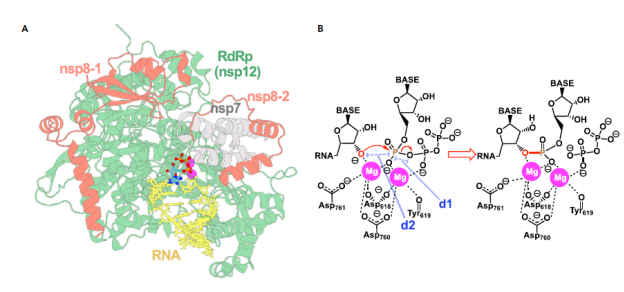
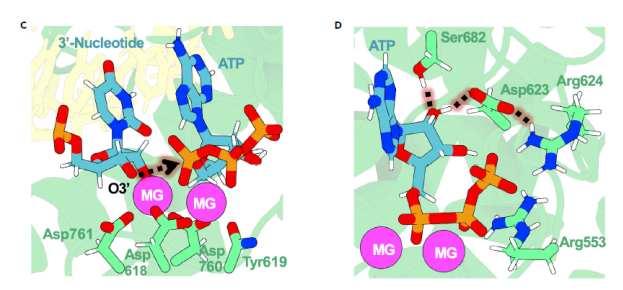
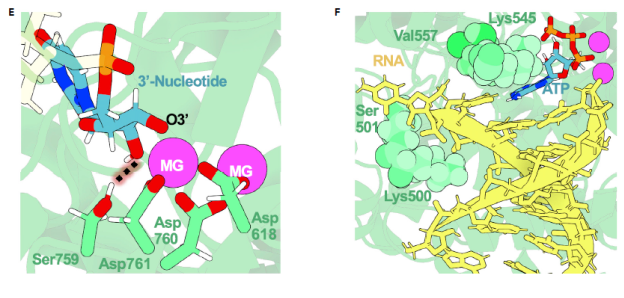
Figure 2.Active site of SARS–CoV–2 RdRp makes it an efficient polymerase.
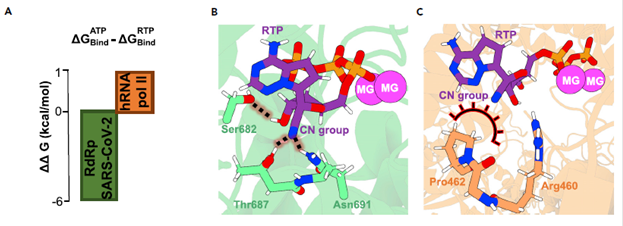
Figure 3.Binding preferences in viral and human RNA polymerases.
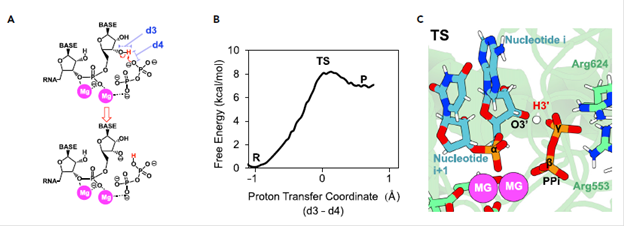
Figure 4.Mechanism of activation through O3’ deprotonation inside RdRp.
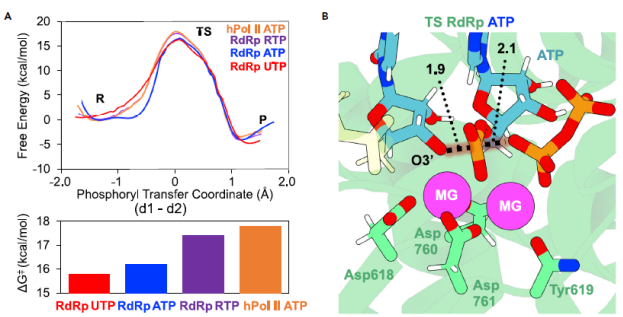
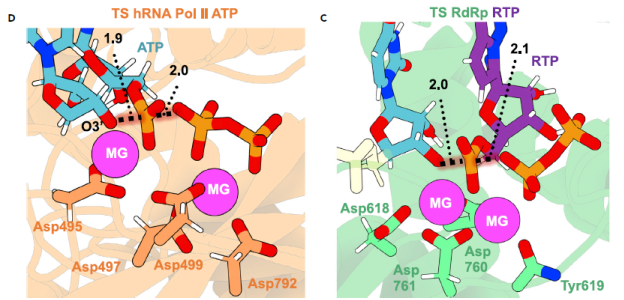
Figure 5.RNA elongation inside RdRp of SARS–CoV–2 and human RNA Pol II.
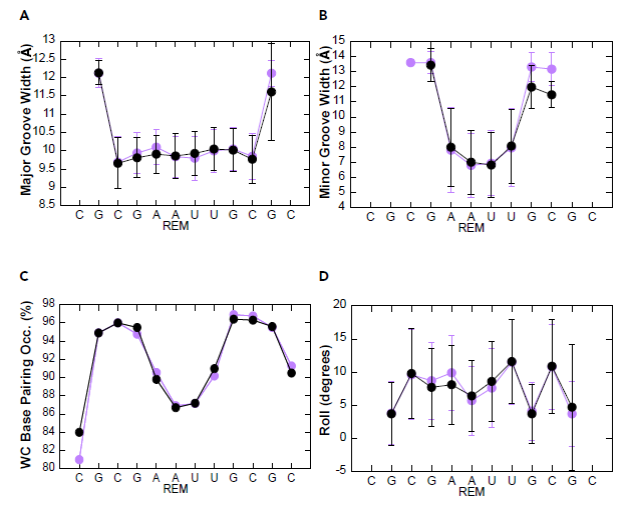
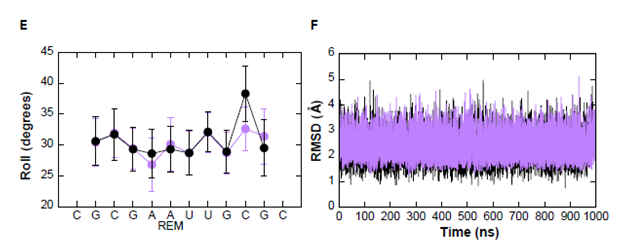
Figure 6.Remdesivir does not distort RNA structure.
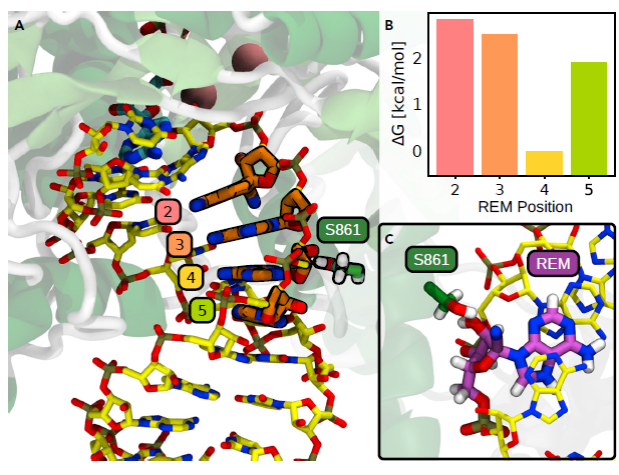
Figure 7.Remdesivir elongation along RdRp’s exit channel.
Conclusions
Petrochemical products are all compounds that can be obtained from oil refineries. Petrochemical industries play a vital role in the food, pharmaceutical, agricultural and technological industries and, in general, the national economy. However, environmental issues have received special attention today due to the harmful effects of chemical emissions. Chemical emissions may be due to improper production processes, incorrect storage methods and problems related to the operation process. Plastics and microplastics, volatile organic compounds, acid rain, oil spills, waste oil and pure water discharge are some of these environmental pollutants. In addition, petrochemical products cause acute and chronic diseases in living organisms such as allergies, COVID–19 and liver and kidney problems. Therefore, in recent years, measures such as providing subsidies for renewable energies, using clean energies such as biodiesel and biomass, as well as using technology to reduce safety and health risks caused by petrochemical products have been considered in different countries. In this review, problems related to petrochemical industries and their products are discussed and alternative solutions are presented.
Acknowledgements
This study was supported by the Cancer Research Institute (CRI) Project of Scientific Instrument and Equipment Development, the National Natural Science Foundation of the United States, the International Joint BioSpectroscopy Core Research Laboratory (BCRL) Program supported by the California South University (CSU), and the Key project supported by the American International Standards Institute (AISI), Irvine, California, USA, University of Freiburg (German: Albert–Ludwigs–Universität Freiburg) (UFR), Freiburg, Baden–Württemberg, Germany, Research and Innovation Department, Istituto Zooprofilattico Sperimentale delle Venezie (IZSVe), Legnaro, Padua, Italy and also Department of Comparative Biomedicine and Food Science, University of Padua (Italian: Università degli Studi di Padova) (UNIPD), Legnaro, Padua, Italy. Furthermore, the author would like to thank the medical and support staff of the cardiovascular treatment and recovery unit where this study was conducted, especially Sue Smith and James Sawyer. In addition, the author would like to acknowledge Katie Kanst for help with programming, Charles Yates for help with data processing, and all of the participants who took part in this study. We would also like to show our gratitude to the Spelman College for sharing their pearls of wisdom with us during the course of this research, and we thank reviewers for their so–called insights. We are also immensely grateful to Spelman College for their comments on an earlier version of the manuscript, although any errors are our own and should not tarnish the reputations of these esteemed persons. It should be noted that this study was completed while the author was on faculty at the Cancer Research Institute (CRI) of the California South University (CSU). The author would like to thank the patients and families who participated in this study at hospitals.
References
- Heidari, Alireza. "Therapeutic Strategies for SARS–CoV–2 Transmission, Cellular Mechanism, Diagnostic and Clinical Treatment of COVID–19 Infection." Saudi J Biomed Res 10, no. 8 (2025): 277-292.
- Al-Mhyawi, Saedah R. "Inhibition of mild steel corrosion using Juniperus plants as green inhibitior." African journal of pure and applied chemistry 8, no. 1 (2014): 9-22.
- Rahiman, Ali FSA, Menaka Ramanathan, and Sethumanickam Subhashini. "Natural Polymers and Their Derivatives as Corrosion Inhibitors for the Oil and Gas Industry." Polymeric Corrosion Inhibitors for Greening the Chemical and Petrochemical Industry (2022): 23-53.
- Abeng, Fidelis Ebunta, Valentine Anadebe, Patience Yake Nkom, Kelechi J. Uwakwe, and Enyinda Goodluck Kamalu. "Experimental and theoretical study on the corrosion inhibitor potential of quinazoline derivative for mild steel in hydrochloric acid solution." Journal of Electrochemical Science and Engineering 11, no. 1 (2021): 10-26.
- Beltran-Perez, Carlos, Andrés AA Serrano, Gilberto Solís-Rosas, Anatolio Martínez-Jiménez, Ricardo Orozco-Cruz, Araceli Espinoza-Vázquez, and Alan Miralrio. "A general use QSAR-ARX model to predict the corrosion inhibition efficiency of drugs in terms of quantum mechanical descriptors and experimental comparison for lidocaine." International Journal of Molecular Sciences 23, no. 9 (2022): 5086.
- Bostan, Roxana, Simona Varvara, Luiza Găină, and Liana Maria Mureşan. "Evaluation of some phenothiazine derivatives as corrosion inhibitors for bronze in weakly acidic solution." Corrosion Science 63 (2012): 275-286.
- Heidari, Alireza. "Therapeutic Strategies for SARS–CoV–2 Transmission, Cellular Mechanism, Diagnostic and Clinical Treatment of COVID–19 Infection." Saudi J Biomed Res 10, no. 8 (2025): 277-292.
- Callister Jr, William D., and David G. Rethwisch. Materials science and engineering: an introduction. John wiley & sons, 2020.
- Li, Y., G. Song, H. Lin, and C. Cao. "Study on the relationship between the corrosion interface structure and negative difference effect for pure magnisuim." Corrosion Science and Protection Technology 11 (1999): 202-208.
- Chahul, H. F., A. M. Ayuba, and Sunday Nyior. "Adsorptive, Kinetic, Thermodynamic and Inhibitive Properties of Cissus Populnea Stem Extract on the Corrosion of Aluminum in Acid Medium." Chemsearch journal 6, no. 1 (2015): 20-30.
- Chavan, Nagesh Dhanaji, and Vijayaparthasarathi Vijayakumar. "Synthesis, DFT studies on a series of tunable quinoline derivatives." RSC advances 14, no. 29 (2024): 21089-21101.
- Chi, Mei, and Ya-Pu Zhao. "Adsorption of formaldehyde molecule on the intrinsic and Al-doped graphene: a first principle study." Computational Materials Science 46, no. 4 (2009): 1085-1090.
- Sun, Qi, Jian Wang, Hua-bing Li, Yue Li, Ya-di Hu, Jin-gang Bai, and Pei-de Han. "Chi phase after short-term aging and corrosion behavior in 2205 duplex stainless steel." Journal of Iron and Steel Research International 23, no. 10 (2016): 1071-1079.
- Ebenso, E. E., N. O. Eddy, and A. O. Odiongenyi. "Corrosion inhibitive properties and adsorption behaviour of ethanol extract of Piper guinensis as a green corrosion inhibitor for mild steel in H2SO4." African Journal of Pure and applied chemistry 2, no. 11 (2008): 107-115.
- Eddy, N. O., and E. E. Ebenso. "Corrosion inhibition and adsorption properties of ethanol extract of Gongronema latifolium on mild steel in H2SO4." Pigment & Resin Technology 39, no. 2 (2010): 77-83.
- Fu, Jia-jun, Su-ning Li, Ying Wang, Lin-hua Cao, and Lu-de Lu. "Computational and electrochemical studies of some amino acid compounds as corrosion inhibitors for mild steel in hydrochloric acid solution." Journal of materials science 45, no. 22 (2010): 6255-6265.
- Fu, JiaJun, HaiShan Zang, Ying Wang, SuNing Li, Tao Chen, and XiaoDong Liu. "Experimental and theoretical study on the inhibition performances of quinoxaline and its derivatives for the corrosion of mild steel in hydrochloric acid." Industrial & engineering chemistry research 51, no. 18 (2012): 6377-6386.
- Gece, Gökhan, and Semra Bilgiç. "A theoretical study on the inhibition efficiencies of some amino acids as corrosion inhibitors of nickel." Corrosion Science 52, no. 10 (2010): 3435-3443.
- Dos Santos, Giovanny Carvalho, Roberta Oliveira Servilha, Eliézer Fernando de Oliveira, Francisco Carlos Lavarda, Valdecir Farias Ximenes, and Luiz Carlos da Silva-Filho. "Theoretical-experimental photophysical investigations of the solvent effect on the properties of green-and blue-light-emitting quinoline derivatives." Journal of Fluorescence 27, no. 5 (2017): 1709-1720.
- Goyal, Madhusudan, Sudershan Kumar, Indra Bahadur, Chandrabhan Verma, and Eno E. Ebenso. "Organic corrosion inhibitors for industrial cleaning of ferrous and non-ferrous metals in acidic solutions: A review." Journal of Molecular Liquids 256 (2018): 565-573.
- Hussin, M. Hazwan, and M. Jain Kassim. "The corrosion inhibition and adsorption behavior of Uncaria gambir extract on mild steel in 1 M HCl." Materials Chemistry and Physics 125, no. 3 (2011): 461-468.
- Usman, Ibrahim Jimohand Bishir. "Corrosion inhibition potential of ethanol extract of acacia nilotica leaves on mild steel in an acidic medium." (2021).
- Wantulok, Jakub, Marcin Szala, Andrea Quinto, Jacek E. Nycz, Stefania Giannarelli, Romana Sokolová, Maria Książek, and Joachim Kusz. "Synthesis, electrochemical and spectroscopic characterization of selected quinolinecarbaldehydes and their Schiff base derivatives." Molecules 25, no. 9 (2020): 2053.
- Kadapparambil, Sumithra, Kavita Yadav, Manivannan Ramachandran, and Noyel Victoria Selvam. "Electrochemical investigation of the corrosion inhibition mechanism of Tectona grandis leaf extract for SS304 stainless steel in hydrochloric acid." Corrosion Reviews 35, no. 2 (2017): 111-121.
- Heidari, Alireza. "Therapeutic Strategies for SARS–CoV–2 Transmission, Cellular Mechanism, Diagnostic and Clinical Treatment of COVID–19 Infection." Saudi J Biomed Res 10, no. 8 (2025): 277-292.
- Kiani, M. A., M. F. Mousavi, S. Ghasemi, M. Shamsipur, and S. H. Kazemi. "Inhibitory effect of some amino acids on corrosion of Pb–Ca–Sn alloy in sulfuric acid solution." Corrosion Science 50, no. 4 (2008): 1035-1045.
- Heidari, Alireza. "Therapeutic Strategies for SARS–CoV–2 Transmission, Cellular Mechanism, Diagnostic and Clinical Treatment of COVID–19 Infection." Saudi J Biomed Res 10, no. 8 (2025): 277-292.
- Ramachandran, Rahul, and Michael Nosonovsky. "Coupling of surface energy with electric potential makes superhydrophobic surfaces corrosion-resistant." Physical Chemistry Chemical Physics 17, no. 38 (2015): 24988-24997.
- Obot, I. B., & Eduok, U. M. (2017). The use of green corrosion inhibitors: A review. Green Chemistry Letters and Reviews, 10(3), 223–241.
- Heidari, Alireza. "Therapeutic Strategies for SARS–CoV–2 Transmission, Cellular Mechanism, Diagnostic and Clinical Treatment of COVID–19 Infection." Saudi J Biomed Res 10, no. 8 (2025): 277-292.
- Heidari, Alireza. "Therapeutic Strategies for SARS–CoV–2 Transmission, Cellular Mechanism, Diagnostic and Clinical Treatment of COVID–19 Infection." Saudi J Biomed Res 10, no. 8 (2025): 277-292.
- Pavithra, M. K., T. V. Venkatesha, MK Punith Kumar, and H. C. Tondan. "Inhibition of mild steel corrosion by Rabeprazole sulfide." Corrosion Science 60 (2012): 104-111.
- Qiang, Yujie, Shengtao Zhang, Bochuan Tan, and Shijin Chen. "Evaluation of Ginkgo leaf extract as an eco-friendly corrosion inhibitor of X70 steel in HCl solution." Corrosion Science 133 (2018): 6-16.
- Heidari, Alireza. "Therapeutic Strategies for SARS–CoV–2 Transmission, Cellular Mechanism, Diagnostic and Clinical Treatment of COVID–19 Infection." Saudi J Biomed Res 10, no. 8 (2025): 277-292.
- Heidari, Alireza. "Therapeutic Strategies for SARS–CoV–2 Transmission, Cellular Mechanism, Diagnostic and Clinical Treatment of COVID–19 Infection." Saudi J Biomed Res 10, no. 8 (2025): 277-292.
- Talari, Abdullah Chandra Sekhar, Marcela A. Garcia Martinez, Zanyar Movasaghi, Shazza Rehman, and Ihtesham Ur Rehman. "Advances in Fourier transform infrared (FTIR) spectroscopy of biological tissues." Applied Spectroscopy Reviews 52, no. 5 (2017): 456-506.
- Talbot, David EJ, and James DR Talbot. Corrosion science and technology. CRC press, 2018.
- Umoren, S. A., I. B. Obot, E. E. Ebenso, P. C. Okafor, O. Ogbobe, and E. E. Oguzie. "Gum arabic as a potential corrosion inhibitor for aluminium in alkaline medium and its adsorption characteristics." Anti-corrosion methods and materials 53, no. 5 (2006): 277-282.
- Verma, Chandrabhan, Lukman O. Olasunkanmi, Eno E. Ebenso, M. Ahmad Quraishi, and I. Bassey Obot. "Adsorption behavior of glucosamine-based, pyrimidine-fused heterocycles as green corrosion inhibitors for mild steel: experimental and theoretical studies." The Journal of Physical Chemistry C 120, no. 21 (2016): 11598-11611.
- Wahyuningrum, Deana, Sadijah Achmad, Yana Maolana Syah, Bunbun Bundjali, and Bambang Ariwahjoedi. "The correlation between structure and corrosion inhibition activity of 4, 5-diphenyl-1-vinylimidazole derivative compounds towards mild steel in 1% NaCl solution." International Journal of Electrochemical Science 3, no. 2 (2008): 154-166.
- Xhanari, Klodian, and Matjaž Finšgar. "Organic corrosion inhibitors for aluminium and its alloys in acid solutions: a review." RSC advances 6, no. 67 (2016): 62833-62857.
- Xiong, Sang, Jian Lin Sun, Yang Xu, and Xu Dong Yan. "QSAR Study on Imidazole Derivatives as Corrosion Inhibitors by Genetic Function Approximation Method." In Materials Science Forum, vol. 850, pp. 426-432. Trans Tech Publications Ltd, 2016.
- Heidari, Alireza. "Therapeutic Strategies for SARS–CoV–2 Transmission, Cellular Mechanism, Diagnostic and Clinical Treatment of COVID–19 Infection." Saudi J Biomed Res 10, no. 8 (2025): 277-292.
- Zhang, H. H., Y. Chen, and Z. Zhang. "Comparative studies of two benzaldehyde thiosemicarbazone derivatives as corrosion inhibitors for mild steel in 1.0 M HCl." Results in Physics 11 (2018): 554-563.
- Heidari, Alireza. "Different High–Resolution Simulations of Medical, Medicinal, Clinical, Pharmaceutical and Therapeutics Oncology of Human Lung Cancer Translational Anti–Cancer Nano Drugs Delivery Treatment Process under Synchrotron and X–Ray Radiations." J Med Oncol 1, no. 1 (2017): 1.
- Heidari, Alireza. "A modern ethnomedicinal technique for transformation, prevention and treatment of human malignant gliomas tumors into human benign gliomas tumors under synchrotron radiation." American Journal of Ethnomedicine (2014).
- Heidari, Alireza. "Active Targeted Nanoparticles for Anti–Cancer Nano Drugs Delivery across the Blood–Brain Barrier for Human Brain Cancer Treatment." J Med Chem Toxicol 2, no. 3 (2017): 1-5.
- Heidari, Alireza. "Investigation of Medical, Medicinal, Clinical and Pharmaceutical Applications of Estradiol, Mestranol (Norlutin), Norethindrone (NET), Norethisterone Acetate (NETA), Norethisterone Enanthate (NETE) and Testosterone Nanoparticles as Biological Imaging, Cell Labeling, Anti–Microbial Agents and Anti–Cancer Nano Drugs in Nanomedicines Based Drug Delivery Systems for Anti–Cancer Targeting and Treatment." Parana Journal of Science and Education (PJSE)–v 3 (2017): 10-19.
- Heidari, Alireza. "A comparative computational and experimental study on different vibrational biospectroscopy methods, techniques and applications for human cancer cells in tumor tissues simulation, modeling, research, diagnosis and treatment." Open J Anal Bioanal Chem 1, no. 1 (2017): 014-020.
- Heidari, Alireza. "Combination of DNA/RNA ligands and linear/non–linear visible–synchrotron radiation–driven n–doped ordered mesoporous cadmium oxide (CdO) nanoparticles photocatalysts channels resulted in an interesting synergistic effect enhancing catalytic anti–cancer activity." Enz Eng 6, no. 1 (2017): 160.
- Heidari, Alireza. "Modern approaches in designing ferritin, ferritin light chain, transferrin, beta–2 transferrin and bacterioferritin–based anti–cancer nano drugs encapsulating nanosphere as DNA–binding proteins from starved cells (DPS)." Mod Appro Drug Des 1, no. 1 (2017): 000504.
- Heidari, Alireza. "Potency of Human Interferon β–1a and Human Interferon β–1b in Enzymotherapy, Immunotherapy, Chemotherapy, Radiotherapy, Hormone Therapy and Targeted Therapy of Encephalomyelitis Disseminate." J Proteomics Enzymol 6, no. 1 (2017): e109.
- Heidari, Alireza. "Transport therapeutic active targeting of human brain tumors enable anti–cancer nanodrugs delivery across the blood–brain barrier (BBB) to treat brain diseases using nanoparticles and nanocarriers under synchrotron radiation." J Pharm Pharmaceutics 4, no. 2 (2017): 1-5.
- Heidari, Alireza, and Christopher Brown. "Combinatorial Therapeutic Approaches to DNA/RNA and Benzylpenicillin (Penicillin G), Fluoxetine Hydrochloride (Prozac and Sarafem), Propofol (Diprivan), Acetylsalicylic Acid (ASA)(Aspirin), Naproxen Sodium (Aleve and Naprosyn) and Dextromethamphetamine Nanocapsules with Surface Conjugated DNA/RNA to Targeted Nano Drugs for Enhanced Anti–Cancer Efficacy and Targeted Cancer Therapy Using Nano Drugs Delivery Systems." Ann Adv Chem 1, no. 2 (2017): 061-069.
- Heidari, Alireza. "Human malignant and benign human cancer cells and tissues biospectroscopic analysis under synchrotron radiation using anti–cancer nano drugs delivery." Integr Mol Med 5, no. 5 (2018): 1-13.
- Heidari, A. "Investigation of Anti-Cancer Nano Drugs’ Effects’ Trend on Human Pancreas Cancer Cells and Tissues Prevention, Diagnosis and Treatment Process under Synchrotron and X-Ray Radiations with the Passage of Time Using Mathematica. Current Trends Anal Bioanal Chem 1 (1): 36-41 THE SCIENTIFIC PAGES Heidari. Current Trends Anal Bioanal Chem 2017, 1 (1): 36-41 N-Tolyl-Sulfonyl-Phosphoramid-Saeure-Dichlorid as A n Anti-Cancer Drug from Plants: A Pharmacognosy Study. J Pharmacogn Nat Prod 2: e103. 5. Alireza ...." J Bioeng Biomed Sci S 6, no. 6 (2017).
- Heidari, Alireza. "Pros and cons controversy on molecular imaging and dynamics of double–standard dna/rna of human preserving stem cells–binding nano molecules with androgens/anabolic steroids (AAS) or testosterone derivatives through tracking of helium–4 nucleus (alpha particle) using synchrotron radiation." Arch Biotechnol Biomed 1, no. 1 (2017): 067-0100.
- Heidari, Alireza. "Visualizing metabolic changes in probing human cancer cells and tissues metabolism using vivo 1H or proton NMR, 13C NMR, 15N NMR and 31P NMR spectroscopy and self–organizing maps under synchrotron radiation." SOJ Mater Sci Eng 5, no. 2 (2017): 1-6.
- Heidari, Alireza. "Cavity ring–down spectroscopy (CRDS), circular dichroism spectroscopy, cold vapour atomic fluorescence spectroscopy and correlation spectroscopy comparative study on malignant and benign human cancer cells and tissues with the passage of time under synchrotron radiation." Enliven: Challenges Cancer Detect Ther 4, no. 2 (2017): e001.
- Heidari, Alireza. "Laser spectroscopy, laser–induced breakdown spectroscopy and laser–induced plasma spectroscopy comparative study on malignant and benign human cancer cells and tissues with the passage of time under synchrotron radiation." Int J Hepatol Gastroenterol 3, no. 4 (2017): 079-084.
- Heidari, Alireza. "Time–resolved spectroscopy and time–stretch spectroscopy comparative study on malignant and benign human cancer cells and tissues with the passage of time under synchrotron radiation." Enliven: Pharmacovigilance and Drug Safety 4, no. 2 (2017): e001.
- Heidari, Alireza. "Overview of the role of vitamins in reducing negative effect of decapeptyl (triptorelin acetate or pamoate salts) on prostate cancer cells and tissues in prostate cancer treatment process through transformation of malignant prostate tumors into benign prostate tumors under synchrotron radiation." Open J Anal Bioanal Chem 1, no. 1 (2017): 021-026.
- Heidari, Alireza. "Electron Phenomenological Spectroscopy." Electron Paramagnetic Resonance (EPR) Spectroscopy and Electron Spin Resonance (ESR) Spectroscopy comparative study on malignant and benign human cancer cells and tissues with the passage of time under synchrotron radiation. Austin J Anal Pharm Chem 4, no. 3 (2017): 1091.
- Heidari, Alireza. "Electron Phenomenological Spectroscopy." Electron Paramagnetic Resonance (EPR) Spectroscopy and Electron Spin Resonance (ESR) Spectroscopy comparative study on malignant and benign human cancer cells and tissues with the passage of time under synchrotron radiation. Austin J Anal Pharm Chem 4, no. 3 (2017): 1091.
- Heidari, Alireza. "A Consensus and Prospective Study on Restoring Cadmium Oxide (CdO) Nanoparticles Sensitivity in Recurrent Ovarian Cancer by Extending the Cadmium Oxide (CdO) Nanoparticles–Free Interval Using Synchrotron Radiation Therapy as Antibody–Drug Conjugate for the Treatment of Limited–Stage Small Cell Diverse Epithelial Cancers." Cancer Clin Res Rep 1, no. 2 (2017): e001.
- Heidari, Alireza. "A novel and modern experimental imaging and spectroscopy comparative study on malignant and benign human cancer cells and tissues with the passage of time under white synchrotron radiation." Cancer Sci Res Open Access 4, no. 2 (2017): 1-8.
- Heidari, Alireza. "Different High–Resolution Simulations of Medical, Medicinal, Clinical, Pharmaceutical and Therapeutics Oncology of Human Lung Cancer Translational Anti–Cancer Nano Drugs Delivery Treatment Process under Synchrotron and X–Ray Radiations." J Med Oncol 1, no. 1 (2017): 1.
- Heidari, Alireza. "Vibrational Decihertz (dHz), Centihertz (cHz), Millihertz (mHz), Microhertz (μHz), Nanohertz (nHz), Picohertz (pHz), Femtohertz (fHz), Attohertz (aHz), Zeptohertz (zHz) and Yoctohertz (yHz) imaging and spectroscopy comparative study on malignant and benign human cancer cells and tissues under synchrotron radiation." International Journal of Biomedicine 7, no. 4 (2017): 335-340.
- Heidari, Alireza. "Force Spectroscopy and Fluorescence Spectroscopy Comparative Study on Malignant and Benign Human Cancer Cells and Tissues with the Passage of Time under Synchrotron Radiation." EC Cancer 2, no. 5 (2017): 239-246.
- Heidari, Alireza. "Photoacoustic Spectroscopy, Photoemission Spectroscopy and Photothermal Spectroscopy Comparative Study on Malignant and Benign Human Cancer Cells and Tissues with the Passage of Time under Synchrotron Radiation." BAOJ Cancer Res Ther 3, no. 3 (2017): 045-052.
- Heidari, Alireza. "J–Spectroscopy, Exchange Spectroscopy (EXSY), Nucle¬ ar Overhauser Effect Spectroscopy (NOESY) and Total Correlation Spectroscopy (TOCSY) Comparative Study on Malignant and Benign Human Cancer Cells and Tissues under Synchrotron Radiation." EMS Eng Sci J 1, no. 2 (2017): 006-013.
- Heidari, Alireza. "Neutron spin echo spectroscopy and spin noise spectroscopy comparative study on malignant and benign human cancer cells and tissues with the passage of time under synchrotron radiation." Int J Biopharm Sci 1, no. 1 (2017): 103-107.
- Heidari, Alireza. "Vibrational Decahertz (daHz), Hectohertz (hHz), Kilohertz (kHz), Megahertz (MHz), Gigahertz (GHz), Terahertz (THz), Petahertz (PHz), Exahertz (EHz), Zettahertz (ZHz) and Yottahertz (YHz) imaging and spectroscopy comparative study on malignant and benign human cancer cells and tissues under synchrotron radiation." Madridge J Anal Sci Instrum 2, no. 1 (2017): 41-46.
- Heidari, Alireza. "Two–Dimensional Infrared Correlation Spectroscopy, Linear Two–Dimensional Infrared Spectroscopy and Non–Linear Two–Dimensional Infrared Spectroscopy Comparative Study on Malignant and Benign Human Cancer Cells and Tissues under Synchrotron Radiation with the Passage of Time." J Mater Sci Nanotechnol 6, no. 1 (2018): 101.
- Heidari, Alireza. "Fourier transform infrared (FTIR) spectroscopy, near–infrared spectroscopy (NIRS) and mid–infrared spectroscopy (MIRS) comparative study on malignant and benign human cancer cells and tissues under synchrotron radiation with the passage of time." Int J Nanotechnol Nanomed 3, no. 1 (2018): 1-6.
- Heidari, Alireza. "Infrared photo dissociation spectroscopy and infrared correlation table spectroscopy comparative study on malignant and benign human cancer cells and tissues under synchrotron radiation with the passage of time." Austin Pharmacol Pharm 3, no. 1 (2018): 1011.
- Heidari, Alireza. "Novel and Transcendental Prevention, Diagnosis and Treatment Strategies for Investigation of Interaction among Human Blood Cancer Cells, Tissues, Tumors and Metastases with Synchrotron Radiation under Anti–Cancer Nano Drugs Delivery Efficacy Using MATLAB Modeling and Simulation." Madridge J Nov Drug Res 1, no. 1 (2017): 18-24.
- Heidari, Alireza. "Human malignant and benign human cancer cells and tissues biospectroscopic analysis under synchrotron radiation using anti–cancer nano drugs delivery." Integr Mol Med 5, no. 5 (2018): 1-13.
- Gobato, Marcia Regina Risso, Ricardo Gobato, and Alireza Heidari. "Planting of jaboticaba trees for landscape repair of degraded area." Landscape Architecture and Regional Planning 3, no. 1 (2018): 1-9.
- Heidari, Alireza. "Fluorescence spectroscopy, phosphorescence spectroscopy and luminescence spectroscopy comparative study on malignant and benign human cancer cells and tissues under synchrotron radiation with the passage of time." SM J Clin. Med. Imaging 4, no. 1 (2018): 1018.
- Heidari, Alireza. "Nuclear inelastic scattering spectroscopy (NISS) and nuclear inelastic absorption spectroscopy (NIAS) comparative study on malignant and benign human cancer cells and tissues under synchrotron radiation." Int J Pharm Sci 2, no. 1 (2018): 1-14.
- Heidari, Alireza. "X–Ray Diffraction (XRD), Powder X–Ray Diffraction (PXRD) and Energy–Dispersive X–Ray Diffraction (EDXRD) Comparative Study on Malignant and Benign Human Cancer Cells and Tissues under Synchrotron Radiation." J Oncol Res 2, no. 1 (2018): 1-14.
- Heidari, Alireza. "Two–dimensional (2D) H or proton NMR, 13 C NMR." (2018).
- Heidari, Alireza. "Thermal spectroscopy, photothermal spectroscopy, thermal microspectroscopy, photothermal microspectroscopy, thermal macrospectroscopy and photothermal macrospectroscopy comparative study on malignant and benign human cancer cells and tissues with the passage of time under synchrotron radiation." SM J Biometrics Biostat 3, no. 1 (2018): 1024.
- Heidari, Alireza. "A modern and comprehensive experimental biospectroscopic comparative study on human common cancers’ cells, tissues and tumors before and after synchrotron radiation therapy." Open Acc J Oncol Med 1, no. 1 (2018): 1-10.
- Heidari, Alireza. "Heteronuclear single–quantum correlation spectroscopy (HSQC) and heteronuclear multiple–bond correlation spectroscopy (HMBC) comparative study on malignant and benign human cancer cells, tissues and tumors under synchrotron and synchrocyclotron radiations." Chronicle of Medicine and Surgery 2, no. 3 (2018): 144-156.
- Heidari, Alireza. "Nuclear Resonance Vibrational Spectroscopy (NRVS), Nuclear Inelastic Scattering Spectroscopy (NISS), Nuclear Inelastic Absorption Spectroscopy (NIAS) and Nuclear Resonant Inelastic X–Ray Scattering Spectroscopy (NRIXSS) Comparative Study on Malignant and Benign Human Cancer Cells and Tissues under Synchrotron Radiation." Int J Bioorg Chem Mol Biol 6, no. 1e (2018): 1-5.
- Heidari, Alireza. "A novel and modern experimental approach to vibrational circular dichroism spectroscopy and video spectroscopy comparative study on malignant and benign human cancer cells and tissues with the passage of time under white and monochromatic synchrotron radiation." Glob J Endocrinol Metab 1, no. 3 (2018): 000514-000519.
- Heidari, Alireza. "Heteronuclear correlation experiments such as heteronuclear single–quantum correlation spectroscopy (HSQC), heteronuclear multiple–quantum correlation spectroscopy (HMQC) and heteronuclear multiple–bond correlation spectroscopy (HMBC) comparative study on malignant and benign human endocrinology and thyroid cancer cells and tissues under synchrotron radiation." J Endocrinol Thyroid Res 3, no. 1 (2018): 555603.
- Heidari, A., and A. Modern Comparative. "Comprehensive Experimental Biospectroscopic Study on Different Types of Infrared Spectroscopy of Malignant and Benign Human Cancer Cells and Tissues with the Passage of Time under Synchrotron Radiation." Journal of Analytical & Molecular Techniques 3 (2018): 8-15.
- Heidari, Alireza. "Human malignant and benign human cancer cells and tissues biospectroscopic analysis under synchrotron radiation using anti–cancer nano drugs delivery." Integr Mol Med 5, no. 5 (2018): 1-13.
- Heidari, Alireza. "Saturated spectroscopy and unsaturated spectroscopy comparative study on malignant and benign human cancer cells and tissues with the passage of time under synchrotron radiation." Imaging J Clin Medical Sci 5, no. 1 (2018): 001-007.
- Heidari, Alireza. "Small–angle neutron scattering (sans) and wide–angle x–ray diffraction (WAXD) comparative study on malignant and benign human cancer cells and tissues under synchrotron radiation." Int J Bioorg Chem Mol Biol 6, no. 2e (2018): 1-6.
- Heidari, Alireza. "Investigation of bladder cancer, breast cancer, colorectal cancer, endometrial cancer, kidney cancer, leukemia, liver, lung cancer, melanoma, non–hodgkin lymphoma, pancreatic cancer, prostate cancer, thyroid cancer and non–melanoma skin cancer using synchrotron technology for proton beam therapy: an experimental biospectroscopic comparative study." Ther Res Skin Dis 1, no. 1 (2018).
- Heidari, Alireza. "Attenuated Total Reflectance Fourier Transform Infrared (ATR–FTIR) Spectroscopy, Micro–Attenuated Total Reflectance Fourier Transform Infrared (Micro–ATR–FTIR) Spectroscopy and Macro–Attenuated Total Reflectance Fourier Transform Infrared (Macro–ATR–FTIR) Spectroscopy Comparative Study on Malignant and Benign Human Cancer Cells and Tissues under Synchrotron Radiation with the Passage of Time." International Journal of Chemistry Papers 2, no. 1 (2018): 1-12.
- Heidari, Alireza. "Mössbauer Spectroscopy, Mössbauer Emission Spectroscopy and 57Fe Mössbauer Spectroscopy Comparative Study on Malignant and Benign Human Cancer Cells and Tissues under Synchrotron Radiation." Acta Scientific Cancer Biology 2, no. 3 (2018): 17-20.
- Heidari, Alireza. "Human malignant and benign human cancer cells and tissues biospectroscopic analysis under synchrotron radiation using anti–cancer nano drugs delivery." Integr Mol Med 5, no. 5 (2018): 1-13.
- Heidari, Alireza. "Correlation spectroscopy, exclusive correlation spectroscopy and total correlation spectroscopy comparative study on malignant and benign human AIDS–related cancers cells and tissues with the passage of time under synchrotron radiation." Int J Bioanal Biomed 2, no. 1 (2018): 001-007.
- Heidari, Alireza. "Biomedical instrumentation and applications of biospectroscopic methods and techniques in malignant and benign human cancer cells and tissues studies under synchrotron radiation and anti–cancer nano drugs delivery." Am J Nanotechnol Nanomed 1, no. 1 (2018): 001-009.
- Heidari, Alireza. "Vivo 1H or Proton NMR, 13C NMR, 15N NMR and 31P NMR Spectroscopy Comparative Study on Malignant and Benign Human Cancer Cells and Tissues under Synchrotron Radiation." Ann Biomet Biostat 1, no. 1 (2018): 1001.
- Heidari, Alireza. "Grazing–Incidence Small–Angle Neutron Scattering (GISANS) and Grazing–Incidence X–Ray Diffraction (GIXD) comparative study on malignant and benign human cancer cells, tissues and tumors under synchrotron radiation." Ann Cardiovasc Surg 1, no. 2 (2018): 1006.
- Heidari, Alireza. "Adsorption isotherms and kinetics of multi–walled carbon nanotubes (MWCNTs), boron nitride nanotubes (BNNTs), amorphous boron nitride nanotubes (a–BNNTs) and hexagonal boron nitride nanotubes (h–BNNTs) for eliminating carcinoma, sarcoma, lymphoma, leukemia, germ cell tumor and blastoma cancer cells and tissues." Clin Med Rev Case Rep 5, no. 1 (2018): 201.
- Heidari, Alireza. "Correlation Spectroscopy (COSY), Exclusive Correlation Spectroscopy (ECOSY), Total Correlation Spectroscopy (TOCSY), Incredible Natural-Abundance Double-Quantum Transfer Experiment (INADEQUATE), Heteronuclear Single-Quantum Correlation Spectroscopy (HSQC), Heteronuclear Multiple-Bond Correlation Spectroscopy (HMBC), Nuclear Overhauser Effect Spectroscopy (NOESY) and Rotating Frame Nuclear Overhauser Effect Spectroscopy (ROESY) Comparative Study on Malignant and Benign Human Cancer Cells and Tissues ...." Organic & Medicinal Chemistry International Journal 6, no. 4 (2018): 103-112.
- Heidari, Alireza. "Human malignant and benign human cancer cells and tissues biospectroscopic analysis under synchrotron radiation using anti–cancer nano drugs delivery." Integr Mol Med 5, no. 5 (2018): 1-13.
- A. Heidari, “Pump–Probe Spectroscopy and Transient Grating Spectroscopy Comparative Study on Malignant and Benign Human Cancer Cells and Tissues with the Passage of Time under Synchrotron Radiation”, Adv Material Sci Engg, Volume 2, Issue 1, Pages 1–7, 2018.
- Heidari, Alireza. "Grazing–Incidence Small–Angle X–Ray Scattering (GISAXS) and Grazing–Incidence Wide–Angle X–Ray Scattering (GIWAXS) Comparative Study on Malignant and Benign Human Cancer Cells and Tissues under Synchrotron Radiation." Insights Pharmacol Pharm Sci 1, no. 1 (2018): 1-8.
- Heidari, A. "Acoustic Spectroscopy, Acoustic Resonance Spectroscopy and Auger Spectroscopy Comparative Study on Anti–Cancer Nano Drugs Delivery in Malignant and Benign Human Cancer Cells and Tissues with the Passage of Time under Synchrotron Radiation Nanosci Technol 5 (1): 1-9." Acoustic Spectroscopy, Acoustic Resonance Spectroscopy and Auger Spectroscopy Comparative Study on Anti–Cancer Nano Drugs Delivery in Malignant and Benign Human Cancer Cells and Tissues with the Passage of Time under Synchrotron Radiation (2018).
- Heidari, Alireza. "Niobium, Technetium, Ruthenium, Rhodium, Hafnium, Rhenium, Osmium and Iridium Ions Incorporation into the Nano Polymeric Matrix (NPM) by Immersion of the Nano Polymeric Modified Electrode (NPME) as Molecular Enzymes and Drug Targets for Human Cancer Cells, Tissues and Tumors Treatment under Synchrotron and Synchrocyclotron Radiations." Nanomed Nanotechnol 3, no. 2 (2018): 000138.
- Heidari, Alireza. "Homonuclear correlation experiments such as homonuclear single–quantum correlation spectroscopy (HSQC), homonuclear multiple–quantum correlation spectroscopy (HMQC) and homonuclear multiple–bond correlation spectroscopy (HMBC) comparative study on malignant and benign human cancer cells and tissues under synchrotron radiation." Austin J Proteomics Bioinform & Genomics 5, no. 1 (2018): 1024.
- Heidari, Alireza. "Atomic Force Microscopy Based Infrared (AFM–IR) Spectroscopy and Nuclear Resonance Vibrational Spectroscopy Comparative Study on Malignant and Benign Human Cancer Cells and Tissues under Synchrotron Radiation with the Passage of Time." J Appl Biotechnol Bioeng 5, no. 3 (2018): 142-148.
- Heidari, Alireza. "Time–dependent vibrational spectral analysis of malignant and benign human cancer cells and tissues under synchrotron radiation." Open Access Journal of Cancer & Oncology 2, no. 2 (2018): 1-16.
- Heidari, Alireza. "Palauamine and Olympiadane Nano Molecules Incorporation into the Nano Polymeric Matrix (NPM) by Immersion of the Nano Polymeric Modified Electrode (NPME) as Molecular Enzymes and Drug Targets for Human Cancer Cells, Tissues and Tumors Treatment under Synchrotron and Synchrocyclotron Radiations. Arc Org Inorg Chem Sci 3 (1)-2018." AOICS. MS. ID 151 (2018).
- Gobato, Ricardo, and Alireza Heidari. "Infrared Spectrum and Sites of Action of Sanguinarine by Molecular Mechanics and ab initio Methods”." mechanics 30 (2018): 34.
- Heidari, Alireza. "Angelic acid, diabolic acids, draculin and miraculin nano molecules incorporation into the nano polymeric matrix (NPM) by immersion of the nano polymeric modified electrode (NPME) as molecular enzymes and drug targets for human cancer cells, tissues and tumors treatment under synchrotron and synchrocyclotron radiations." Med & Analy Chem Int J 2, no. 1 (2018): 000111.
- Heidari, Alireza. "Gamma Linolenic Methyl Ester, 5–Heptadeca–5, 8, 11–Trienyl 1, 3, 4–Oxadiazole–2–Thiol, Sulphoquinovosyl Diacyl Glycerol, Ruscogenin, Nocturnoside B, Protodioscine B, Parquisoside–B, Leiocarposide, Narangenin, 7–Methoxy Hespertin, Lupeol, Rosemariquinone, Rosmanol and Rosemadiol Nano Molecules Incorporation into the Nano Polymeric Matrix (NPM) by Immersion of the Nano Polymeric Modified Electrode (NPME) as Molecular Enzymes and Drug Targets for Human Cancer Cells, Tissues and Tumors Treatment under ...." Int J Pharma Anal Acta 2, no. 1 (2018): 007-014.
- Heidari, Alireza. "Fourier Transform Infrared (FTIR) Spectroscopy, Attenuated Total Reflectance Fourier Transform Infrared (ATR–FTIR) Spectroscopy, Micro–Attenuated Total Reflectance Fourier Transform Infrared (Micro–ATR–FTIR) Spectroscopy, Macro–Attenuated Total Reflectance Fourier Transform Infrared (Macro–ATR–FTIR) Spectroscopy, Two–Dimensional Infrared Correlation Spectroscopy, Linear Two–Dimensional Infrared Spectroscopy, Non–Linear Two–Dimensional Infrared Spectroscopy, Atomic Force Microscopy ...." Organic & Medicinal Chemistry International Journal 6, no. 1 (2018): 6-16.
- Heidari, Alireza. "Heteronuclear single–quantum correlation spectroscopy (HSQC) and heteronuclear multiple–bond correlation spectroscopy (HMBC) comparative study on malignant and benign human cancer cells, tissues and tumors under synchrotron and synchrocyclotron radiations." Chronicle of Medicine and Surgery 2, no. 3 (2018): 144-156.
- Heidari, Alireza. "Bastadins and Bastaranes–Enhanced Precatalyst Preparation Stabilization and Initiation (EPPSI) Nano Molecules." Glob Imaging Insights 3, no. 4 (2018): 1-7.
- Sydnone, Heidari A., Montréalone Münchnone, and Montelukast Mogone. "Quebecol and Palau’amine–Enhanced Precatalyst Preparation Stabilization and Initiation (EPPSI) Nano Molecules." Sur Cas Stud Op Acc J 1, no. 3 (2018).
- Heidari, Alireza. "Fornacite, Orotic Acid, Rhamnetin, Sodium Ethyl Xanthate (SEX) and Spermine (Spermidine or Polyamine) Nanomolecules Incorporation into the Nanopolymeric Matrix (NPM)." International Journal of Biochemistry and Biomolecules 4, no. 1 (2018): 19-36.
- Heidari, Alireza, and Ricardo Gobato. "Putrescine, Cadaverine, Spermine and Spermidine–Enhanced Precatalyst Preparation Stabilization and Initiation (EPPSI) Nano Molecules." Parana Journal of Science and Education (PJSE)–v 4, no. 5 (2018): 1-14.
- Heidari, Alireza. "Cadaverine (1, 5–pentanediamine or pentamethylenediamine), diethyl azodicarboxylate (DEAD or DEADCAT) and putrescine (tetramethylenediamine) nano molecules incorporation into the nano polymeric matrix (NPM) by immersion of the nano polymeric modified electrode (NPME) as molecular enzymes and drug targets for human cancer cells, tissues and tumors treatment under synchrotron and synchrocyclotron radiations." Hiv and Sexual Health Open Access Open Journal 1, no. 1 (2018): 4-11.
- Heidari, Alireza. "Improving the Performance of Nano–Endofullerenes in Polyaniline Nanostructure–Based Biosensors by Covering Californium Colloidal Nanoparticles with Multi–Walled Carbon Nanotubes." Journal of Advances in Nanomaterials 3, no. 1 (2018): 1-28.
- Gobato, Ricardo, and Alireza Heidari. "Molecular mechanics and quantum chemical study on sites of action of sanguinarine using vibrational spectroscopy based on molecular mechanics and quantum chemical calculations." Malaysian Journal of Chemistry 20, no. 1 (2018): 1-23.
- Heidari, Alireza. "Vibrational Biospectroscopic Studies on Anti–Cancer Nanopharmaceuticals (Part I)." Malaysian Journal of Chemistry 20, no. 1 (2018): 33-73.
- Heidari, Alireza. "Vibrational Biospectroscopic Studies on Anti–Cancer Nanopharmaceuticals (Part I)." Malaysian Journal of Chemistry 20, no. 1 (2018): 33-73.
- Heidari, Alireza. "Uranocene (U (C8H8) 2) and Bis (Cyclooctatetraene) Iron (Fe (C8H8) 2 or Fe (COT) 2)–Enhanced Precatalyst Preparation Stabilization and Initiation (EPPSI) Nano Molecules." Chemistry Reports 1, no. 2 (2018): 1-16.
- Heidari, Alireza. "Biomedical systematic and emerging technological study on human malignant and benign cancer cells and tissues biospectroscopic analysis under synchrotron radiation." Glob Imaging Insights 3, no. 3 (2018): 1-7.
- A. Heidari, “Deep–Level Transient Spectroscopy and X–Ray Photoelectron Spectroscopy (XPS) Comparative Study on Malignant and Benign Human Cancer Cells and Tissues with the Passage of Time under Synchrotron Radiation”, Res Dev Material Sci. 7(2). RDMS.000659, 2018.
- Heidari, Alireza. "Nano molecules incorporation into the nano polymeric matrix (NPM) by immersion of the nano polymeric modified electrode (NPME) as molecular enzymes and drug targets for human cancer cells, tissues and tumors treatment under synchrotron and synchrocyclotron radiations." J Oncol Res 1, no. 1 (2018): 1-20.
- Heidari, Alireza. "The effect of temperature on cadmium oxide (CdO) nanoparticles produced by synchrotron radiation in the human cancer cells, tissues and tumors." International Journal of Advanced Chemistry 6, no. 2 (2018): 140-156.
- Heidari, Alireza. "A Clinical and Molecular Pathology Investigation of Correlation Spectroscopy (COSY), Exclusive Correlation Spectroscopy (ECOSY), Total Correlation Spectroscopy (TOCSY), Heteronuclear Single–Quantum Correlation Spectroscopy (HSQC) and Heteronuclear Multiple–Bond Correlation Spectroscopy (HMBC) Comparative Study on Malignant and Benign Human Cancer Cells, Tissues and Tumors under Synchrotron and Synchrocyclotron Radiations Using Cyclotron versus Synchrotron, Synchrocyclotron and the Large Hadron Collider ...." European Journal of Advances in Engineering and Technology 5, no. 7 (2018): 414-426.
- Heidari, Alireza. "Nano molecules incorporation into the nano polymeric matrix (NPM) by immersion of the nano polymeric modified electrode (NPME) as molecular enzymes and drug targets for human cancer cells, tissues and tumors treatment under synchrotron and synchrocyclotron radiations." J Oncol Res 1, no. 1 (2018): 1-20.
- Heidari, Alireza. "Use of molecular enzymes in the treatment of chronic disorders." Canc Oncol Open Access J 1, no. 1 (2018): 12-15.
- Heidari, Alireza. "Vibrational biospectroscopic study and chemical structure analysis of unsaturated polyamides nanoparticles as anti–cancer polymeric nanomedicines using synchrotron radiation." International Journal of Advanced Chemistry 6, no. 2 (2018): 167-189.
- Adamantane, Heidari A., Naftazone Irene, and Pyridine–Enhanced Precatalyst Preparation Stabilization. "Initiation (PEPPSI) Nano Molecules." Madridge J Nov Drug Res 2, no. 1 (2018): 61-67.
- Heidari, Alireza, Jennifer Esposito, and Angela Caissutti. "Neurotoxin and Alpha–Neurotoxin Time–Resolved Absorption and Resonance FT–IR and Raman Biospectroscopy and Density Functional Theory (DFT) Investigation of Vibronic–Mode Coupling Structure in Vibrational Spectra Analysis." J Biomed Sci & Res 3, no. 6 (2019): 550-563.
- Heidari, Alireza, and Ricardo Gobato. "A Novel Approach to Reduce Toxicities and to Improve Bioavailabilities of DNA/RNA of Human Cancer Cells–Containing Cocaine (Coke), Lysergide (Lysergic Acid Diethyl Amide or LSD), Δ⁹–Tetrahydrocannabinol (THC)[(–)–trans–Δ⁹–Tetrahydrocannabinol], Theobromine (Xantheose), Caffeine, Aspartame (APM)(NutraSweet) and Zidovudine (ZDV)[Azidothymidine (AZT)] as Anti–Cancer Nano Drugs by Coassembly of Dual Anti–Cancer Nano Drugs to Inhibit DNA/RNA of Human Cancer Cells Drug Resistance." Parana Journal of Science and Education 4, no. 6 (2018): 1-17.
- Heidari, Alireza, and Ricardo Gobato. "Ultraviolet Photoelectron Spectroscopy (UPS) and Ultraviolet–Visible (UV–Vis) Spectroscopy Comparative Study on Malignant and Benign Human Cancer Cells and Tissues with the Passage of Time under Synchrotron Radiation." Parana Journal of Science and Education 4, no. 6 (2018): 18-33.
- Ricardo, G., H. Alireza, and M. Abhijit. "The Creation of C13H20Beli2SeSi. The Proposal of a Bio-Inorganic Molecule, Using Ab Initio Methods for The Genesis of a Nano Membrane. Arc Org Inorg Chem Sci 3 (4)-2018." AOICS. MS. ID 167.
- Gobato, Ricardo, Alireza Heidari, and Abhijit Mitra. "Using the quantum chemistry for genesis of a nano biomembrane with a combination of the elements Be, Li, Se, Si, C and H." J Nanomed Res 7, no. 4 (2018): 241-252.
- Heidari, Alireza. "Fucitol, Pterodactyladiene, DEAD or DEADCAT (DiEthyl AzoDiCArboxylaTe), Skatole, the NanoPutians, Thebacon, Pikachurin, Tie Fighter, Spermidine and Mirasorvone Nano Molecules Incorporation into the Nano Polymeric Matrix (NPM) by Immersion of the Nano Polymeric Modified Electrode (NPME) as Molecular Enzymes and Drug Targets for Human Cancer Cells, Tissues and Tumors Treatment under Synchrotron and Synchrocyclotron Radiations." Glob Imaging Insights 3, no. 4 (2018): 1-8.
- Dadvar, Elahe, and Alireza Heidari. "A Review on Separation Techniques of Graphene Oxide (GO)/Base on Hybrid Polymer Membranes for Eradication of Dyes and Oil Compounds: Recent Progress in Graphene Oxide (GO)/Base on Polymer Membranes–Related Nanotechnologies." Clin Med Rev Case Rep 5, no. 8 (2018): 228-247.
- Heidari, Alireza, and Ricardo Gobato. "First–Time Simulation of Deoxyuridine Monophosphate (dUMP)(Deoxyuridylic Acid or Deoxyuridylate) and Vomitoxin (Deoxynivalenol (DON))((3α, 7α)–3, 7, 15–Trihydroxy–12, 13–Epoxytrichothec–9–En–8–One)–Enhanced Precatalyst Preparation Stabilization and Initiation (EPPSI) Nano Molecules Incorporation into the Nano Polymeric Matrix (NPM) by Immersion of the Nano Polymeric Modified Electrode (NPME) as Molecular Enzymes and Drug Targets for Human Cancer Cells, Tissues and Tumors Treatment under Synchrotron and ...." Parana Journal of Science and Education 4, no. 6 (2018): 46-67.
- Heidari, Alireza. "Buckminsterfullerene (Fullerene), Bullvalene, Dickite and Josiphos Ligands Nano Molecules Incorporation into the Nano Polymeric Matrix (NPM) by Immersion of the Nano Polymeric Modified Electrode (NPME) as Molecular Enzymes and Drug Targets for Human Hematology and Thromboembolic Diseases Prevention, Diagnosis and Treatment under Synchrotron and Synchrocyclotron Radiations." Glob Imaging Insights 3, no. 4 (2018): 1-7.
- Heidari, Alireza. "Fluctuation X–Ray Scattering (FXS) and Wide–Angle X–Ray Scattering (WAXS) Comparative Study on Malignant and Benign Human Cancer Cells and Tissues under Synchrotron Radiation." Glob Imaging Insights 3, no. 4 (2018): 1-7.
- Heidari, Alireza. "Correlation Spectroscopy (COSY), Exclusive Correlation Spectroscopy (ECOSY), Total Correlation Spectroscopy (TOCSY), Incredible Natural-Abundance Double-Quantum Transfer Experiment (INADEQUATE), Heteronuclear Single-Quantum Correlation Spectroscopy (HSQC), Heteronuclear Multiple-Bond Correlation Spectroscopy (HMBC), Nuclear Overhauser Effect Spectroscopy (NOESY) and Rotating Frame Nuclear Overhauser Effect Spectroscopy (ROESY) Comparative Study on Malignant and Benign Human Cancer Cells and Tissues ...." Organic & Medicinal Chemistry International Journal 6, no. 4 (2018): 103-112.
- Heidari, Alireza. "Terphenyl–Based Reversible Receptor with Rhodamine, Rhodamine–Based Molecular Probe, Rhodamine–Based Using the Spirolactam Ring Opening, Rhodamine B with Ferrocene Substituent, Calix [4] Arene–Based Receptor, Thioether+ Aniline–Derived Ligand Framework Linked to a Fluorescein Platform, Mercuryfluor–1 (Flourescent Probe), N, N’–Dibenzyl–1, 4, 10, 13–Tetraraoxa–7, 16–Diazacyclooctadecane and Terphenyl–Based Reversible Receptor with Pyrene and Quinoline as the Fluorophores–Enhanced Precatalyst Preparation ...." Glob Imaging Insights 3, no. 5 (2018): 1-9.
- Heidari, Alireza. "Small–Angle X–Ray Scattering (SAXS) and Ultra–Small Angle X–Ray Scattering (USAXS) Comparative Study on Malignant and Benign Human Cancer Cells and Tissues under Synchrotron Radiation." Glob Imaging Insights 3, no. 5 (2018): 1-7.
- Heidari, Alireza. "Nuclear Resonant Inelastic X–Ray Scattering Spectroscopy (NRIXSS) and Nuclear Resonance Vibrational Spectroscopy (NRVS) Comparative Study on Malignant and Benign Human Cancer Cells and Tissues under Synchrotron Radiation." Glob Imaging Insights 3, no. 5 (2018): 1-7.
- Heidari, Alireza. "Small–Angle X–Ray Scattering (SAXS) and Ultra–Small Angle X–Ray Scattering (USAXS) Comparative Study on Malignant and Benign Human Cancer Cells and Tissues under Synchrotron Radiation." Glob Imaging Insights 3, no. 5 (2018): 1-7.
- Heidari, Alireza. "Curious Chloride (CmCl3) and Titanic Chloride (TiCl4)–Enhanced Precatalyst Preparation Stabilization and Initiation (EPPSI) Nano Molecules for Cancer Treatment and Cellular Therapeutics." J. Cancer Research and Therapeutic Interventions 1, no. 1 (2018): 01-10.
- Ricardo, G., R. R. G. Marcia, H. Alireza, and M. Abhijit. "Spectroscopy and Dipole Moment of the Molecule C13H20BeLi2SeSi Via Quantum Chemistry using Ab Initio, Hartree-Fock Method in the Base Set CC-Pvtz and 6-311G**(3df, 3pd). Arc Org Inorg Chem Sci 3 (5)-2018." AOICS. MS. ID 171 (2018).
- Heidari, Alireza. "C60 and C70–Encapsulating Carbon Nanotubes Incorporation into the Nano Polymeric Matrix (NPM) by Immersion of the Nano Polymeric Modified Electrode (NPME) as Molecular Enzymes and Drug Targets for Human Cancer Cells, Tissues and Tumors Treatment under Synchrotron and Synchrocyclotron Radiations." Integr Mol Med 5, no. 3 (2018): 1-8.
- Heidari, Alireza. "Vivo 1H or Proton NMR, 13C NMR, 15N NMR and 31P NMR Spectroscopy Comparative Study on Malignant and Benign Human Cancer Cells and Tissues under Synchrotron Radiation." Ann Biomet Biostat 1, no. 1 (2018): 1001.
- Heidari, Alireza. "FT–Raman Spectroscopy, Coherent Anti–Stokes Raman Spectroscopy (CARS) and Raman Optical Activity Spectroscopy (ROAS) Comparative Study on Malignant and Benign Human Cancer Cells and Tissues with the Passage of Time under Synchrotron Radiation." Glob Imaging Insights 3, no. 6 (2018): 1-8.
- Heidari, Alireza. "A Modern and Comprehensive Investigation of Inelastic Electron Tunneling Spectroscopy (IETS) and Scanning Tunneling Spectroscopy on Malignant and Benign Human Cancer Cells, Tissues and Tumors through Optimizing Synchrotron Microbeam Radiotherapy for Human Cancer Treatments and Diagnostics: An Experimental Biospectroscopic Comparative Study." Glob Imaging Insights 3, no. 6 (2018): 1-8.
- Heidari, Alireza. "A hypertension approach to thermal infrared spectroscopy and photothermal infrared spectroscopy comparative study on malignant and benign human cancer cells and tissues under synchrotron radiation with the passage of time." Glob Imaging Insights 3, no. 6 (2018): 1-8.
- Heidari, Alireza. "Incredible Natural–Abundance Double–Quantum Transfer Experiment (INADEQUATE), Nuclear Overhauser Effect Spectroscopy (NOESY) and Rotating Frame Nuclear Overhauser Effect Spectroscopy (ROESY) Comparative Study on Malignant and Benign Human Cancer Cells and Tissues under Synchrotron Radiation." Glob Imaging Insights 3, no. 6 (2018): 1-8.
- Heidari, A. "2–Amino–9–((1S, 3R, 4R)–4–Hydroxy–3–(Hydroxymethyl)–2–Methylenecyclopentyl)–1H–Purin–6 (9H)–One, 2–Amino–9–((1R, 3R, 4R)–4–Hydroxy–3–(Hydroxymethyl)–2–Methylenecyclopentyl)–1H–Purin–6 (9H)–One, 2–Amino–9–((1R, 3R, 4S)–4–Hydroxy–3–(Hydroxymethyl)–2–Methylenecyclopentyl)–1H–Purin–6 (9H)–One and 2–Amino–9–((1S, 3R, 4S)–4–Hydroxy–3–(Hydroxymethyl)–2–Methylenecyclopentyl)–1H–Purin–6 (9H)–One–Enhanced Precatalyst Preparation Stabilization and Initiation Nano Molecules”, Glob Imaging Insights." Hartree-Fock Method in the Base Set CC-Trends in Res 2 (2018): 1-8.
- Ricardo, G., R. R. G. Marcia, H. Alireza, and M. Abhijit. "Spectroscopy and Dipole Moment of the Molecule C13H20BeLi2SeSi Via Quantum Chemistry using Ab Initio, Hartree-Fock Method in the Base Set CC-Pvtz and 6-311G**(3df, 3pd). Arc Org Inorg Chem Sci 3 (5)-2018." AOICS. MS. ID 171 (2018).
- Heidari, Alireza. "Production of Electrochemiluminescence (ECL) biosensor using Os–Pd/HfC nanocomposites for detecting and tracking of human gastroenterological cancer cells, tissues and tumors." Int J Med Nano Res 5, no. 1 (2018): 022-034.
- Heidari, Alireza. "Enhancing the Raman scattering for diagnosis and treatment of human cancer cells, tissues and tumors using cadmium oxide (CdO) nanoparticles." J Toxicol Risk Assess 4, no. 1 (2018): 012-025.
- Heidari, Alireza. "Human malignant and benign human cancer cells and tissues biospectroscopic analysis under synchrotron radiation using anti–cancer nano drugs delivery." Integr Mol Med 5, no. 5 (2018): 1-13.
- Heidari, Alireza. "Analogous nano compounds of the form M (C8H8) 2 Exist for M=(Nd, Tb, Pu, Pa, Np, Th, and Yb)–enhanced precatalyst preparation stabilization and initiation (EPPSI) nano molecules." Integr Mol Med 5, no. 5 (2018): 1-8.
- Heidari, Alireza. "Hadron spectroscopy, baryon spectroscopy and meson spectroscopy comparative study on malignant and benign human cancer cells and tissues under synchrotron radiation." Integr Mol Med 5, no. 5 (2018): 1-8.
- Heidari, Alireza. "Hadron spectroscopy, baryon spectroscopy and meson spectroscopy comparative study on malignant and benign human cancer cells and tissues under synchrotron radiation." Integr Mol Med 5, no. 5 (2018): 1-8.
- Heidari, Alireza, and Ricardo Gobato. "Evaluating the effect of anti–cancer nano drugs dosage and reduced leukemia and polycythemia vera levels on trend of the human blood and bone marrow cancers under synchrotron radiation." Trends in Res 2, no. 1 (2019): 1-8.
- Heidari, Alireza, and Ricardo Gobato. "Assessing the variety of synchrotron, synchrocyclotron and laser radiations and their roles and applications in human cancer cells, tissues and tumors diagnosis and treatment." Trends in Res 2, no. 1 (2019): 1-8.