


Nkechi M Enwerem1*, Abigaelle L Caillot1
1Department of Nursing, College of Nursing and Allied Health Sciences, Howard University, Washington, DC, 20059, USA.
*Correspondence: Nkechi M Enwerem, Associate Professor, Howard University, Washington DC, USA, E-mail: nkechi.enwerem@howard.edu
Received date: 02 Apr, 2026; Accepted date: 27 Apr, 2026; Published date: 11 May, 2026
Citation: Nkechi M Enwerem. “Pre-Exposure Prophylaxis (PrEP) Among Adolescents and Young Adults: Effectiveness, Barriers, and Implementation – A Systematic Review (2017–2024).” J Healthc Adv Nur (2026): 138. DOI: 10.59462/3068-1758.4.1.138
Copyright: © 2026 Nkechi M Enwerem. This is an open-access article distributed under the terms of the Creative Commons Attribution License, which permits unrestricted use, distribution, and reproduction in any medium, provided the original author and source are credited
Background: Adolescents and young adults remain disproportionately affected by HIV despite advances in biomedical prevention. Pre-exposure prophylaxis (PrEP) is highly effective in preventing HIV acquisition; however, uptake and sustained use remain suboptimal.
Goal: To synthesize evidence on PrEP effectiveness, uptake, adherence, barriers, and implementation among adolescents and young adults.
Methods: A systematic review of studies published between 2017 and 2024 was conducted across multiple databases. Studies examining PrEP-related outcomes among adolescents and young adults were included. Data were extracted and analyzed using thematic synthesis.
Results: A total of 49 studies were included. PrEP effectiveness was consistently high; however, uptake and adherence were limited by multi-level barriers, including stigma, healthcare access, confidentiality concerns, and medical mistrust. Disparities were evident among high-risk populations. Emerging interventions, including long-acting PrEP and digital health strategies, demonstrated potential to improve engagement.
Conclusion: PrEP is a highly effective HIV prevention strategy for adolescents and young adults, but its impact is constrained by structural and behavioral barriers. Multi-level, youth-centered, and equity-focused interventions are needed to improve uptake and sustained use.
Keywords: Adolescents, young adults, HIV, PrEP
Human immunodeficiency virus (HIV) remains a significant public health issue in the United States, even more than four decades after it was first identified [1]. While overall HIV infections have declined in recent years, the number of new HIV infections has increased among adolescents and young adults (AYAs), ages 13 to 24 [1,2]. In 2023, about 39,200 new HIV diagnoses were reported nationwide, with an overall diagnosis rate of 13.7 per 100,000 persons [3]. Although the highest rates occur among adults ages 25–34, adolescents and young adults (AYAs), ages 13 to 24, continue to experience a disproportionate burden.
In 2022, young people aged 13–24 accounted for 19% of all new HIV diagnoses nationwide, translating to nearly one in five new cases occurring in this age group (CDC, 2024a) [3], with only 67% achieving viral suppression. This falls short of the 2030 Ending the HIV Epidemic goal of 90% [4].
HIV disproportionately impacts certain groups of youth. Young people who are Black are especially affected [3-6]. Sexual and gender minority youth, Black and Latino adolescents, transgender youth, adolescent girls and young women, and young people who inject drugs face higher HIV risk compared to their peers. In 2022, Black youth bore a disproportionate burden of HIV in the United States, accounting for approximately 50% of new HIV diagnoses among individuals aged 13–24. Within this age group, Black females comprised 57% of all new HIV diagnoses in 2022 [4]. Additionally, youth living in urban communities have less access to HIV-prevention resources and culturally appropriate educational programming [3,6].
Factors driving this unequal spread of HIV infection among adolescents and youth include stigma, discrimination, poverty, limited healthcare access, medical mistrust, lack of comprehensive sex education, and lack of HIV testing. In 2022, only 25% of 18–24-year-olds reported ever being tested for HIV, indicating that many individuals in this age group may be unaware of their HIV status [4,5,7]. Although progress has been made, the continued impact of HIV on young people highlights important gaps in prevention efforts.
Pre-exposure prophylaxis (PrEP) is one of the most effective biomedical tools available to prevent HIV [7]. When taken as prescribed, PrEP can reduce the risk of acquiring HIV from sexual exposure by approximately 99% [8]. PrEP exists in various formulations, including oral PrEP and long-acting PrEP, such as injectable cabotegravir and other extended-duration formulations. These newer options reduce the burden of daily pill-taking and frequent clinic visits, aligning better with adolescent lifestyles and preferences [8,9].
Despite its effectiveness, uptake of PrEP among adolescents remains low [7,9]. In 2023, adolescents and young adults had the greatest unmet need for PrEP among all age groups. For everyone (1) person between the ages of 13–24 diagnosed with HIV, only nine (9) people in the same age group used PrEP [4,5,10]. Multiple factors, such as policies related to minor consent and insurance billing, confidentiality issues related to minors leading to involvement of parents or guardians, fear, stigma, judgment, or unwanted disclosure, developmental factors such as evolving independence, school schedules, unstable housing, and healthcare factors such as lack of training or comfort in discussing sexual health with adolescents, contribute to this unmet need [4-8,11].
These structural and social challenges make it more difficult for young people to access testing, prevention services, and ongoing care [4,5]. To support the use of PrEP among AYAs, healthcare systems must be prepared to support sustained engagement and ensure equitable access to these newer prevention methods [4,5,12,13].
Considering the increase in the number of new HIV infections among AYAs, there is a need for a comprehensive synthesis of current epidemiological trends, prevention strategies, and the policy environment shaping HIV vulnerabilities and access to care. This paper aims to provide an updated examination of these elements between 2017 and 2024, highlighting areas of progress, common barriers, research gaps, and opportunities for improvement.
We conducted a systematic review of studies published between 2017 and 2024 examining pre-exposure prophylaxis (PrEP) among adolescents and young adults. Databases searched included PubMed, EMBASE, CINAHL, PsycINFO, and the Cochrane Central Register of Controlled Trials, as well as reference lists of relevant articles.
Studies were eligible if they examined PrEP-related outcomes, including effectiveness, uptake, adherence, barriers, or implementation among adolescents and young adults. Both U.S.-based and international studies, as well as quantitative, qualitative, and mixed-methods designs, were included to provide a comprehensive understanding of PrEP use.
A total of 49 studies met inclusion criteria. Study characteristics were extracted and summarized (Table 1).
Data were analyzed using thematic synthesis. Recurring patterns were grouped into thematic categories, resulting in 12 major themes (Table 2).
A total of 49 studies published between 2017 and 2024 were included (Figure 1; Table 1). Study designs included clinical trials, cohort studies, cross-sectional studies, and systematic reviews, representing diverse populations and geographic settings.
PrEP was consistently effective in preventing HIV acquisition when adherence was maintained. However, uptake and persistence among adolescents and young adults remained suboptimal.
Multi-level barriers—including stigma, healthcare access limitations, confidentiality concerns, and medical mistrust—were frequently reported. Disparities were pronounced among Black adolescents, sexual and gender minorities, and socioeconomically disadvantaged populations.
While awareness of PrEP was moderate to high, utilization remained low, indicating a gap between knowledge and practice. Emerging strategies such as long-acting PrEP and digital interventions showed promise in improving adherence and engagement.
Twelve major themes were identified through thematic synthesis (Table 2).
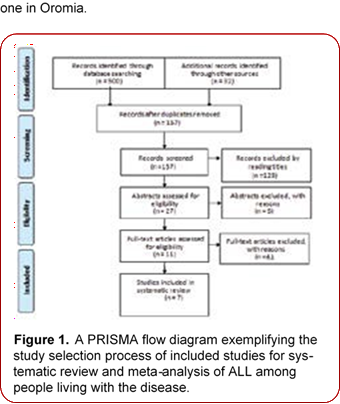
Figure 1: PRISMA flow diagram of study selection
|
# |
Year of paper (latest on top) |
Authors/journal |
Abstract |
Population (Race/ethnicity; adolescence; pregnant mothers; adults, older adults) |
Age |
Gender |
Research design |
Limitation of the study |
Gap |
Recommendation |
Conclusion |
|
14 |
2017 |
Balaji AB, An Q, Smith JC, Newcomb ME, Mustanski B, Prachand NG, Brady KA, Braunstein S, Paz-Bailey G; National HIV Behavioral Surveillance for Young Men Who Have Sex with Men (NHBS-YMSM) Study Group. High Human Immunodeficiency Virus Incidence and Prevalence and Associated Factors Among Adolescent Sexual Minority Males-3 Cities, 2015. Clin Infect Dis. 2018 Mar 5;66(6):936-944. doi: 10.1093/cid/cix902. PMID: 29069298; PMCID: PMC5842134. |
Much has been written about the impact of human immunodeficiency virus (HIV) among young (13–24) sexual minority men (SMM). Evidence for concern is substantial for emerging adult (18–24 years) SMM. Data documenting the burden and associated risk factors of HIV among adolescent SMM (<18 years) remain limited. |
African Americans Caucasians’ adolescents |
13-19 years old |
Males |
Cross-sectional design |
The study is limited to three cities in the U.S., which may not fully represent the experiences of adolescent sexual minority males (ASMM) across the country. Regional differences in HIV risk factors and healthcare access could influence the generalizability of the findings. Due to stigma and the sensitive nature of sexual orientation and behavior, there is a potential for underreporting of HIV risk behaviors, which could lead to an underestimation of the true HIV incidence and prevalence among this group. |
Although HIV incidence and prevalence are examined, there may be a gap in understanding the uptake and barriers to using Pre-Exposure Prophylaxis (PrEP) in this population. Factors influencing PrEP awareness, accessibility, and adherence are critical for prevention but may not be sufficiently addressed. |
Conducting longitudinal research that tracks ASMM over time is recommended to better understand changes in HIV risk behavior and the effectiveness of interventions as they age. This approach would provide more insights into long-term prevention strategies. |
HIV-related risk behaviors, prevalence, and estimated incidence density for adolescent SMM were high, especially for minority SMM. Our findings suggest that initiating intervention efforts early may be helpful in combating these trends. |
|
15 |
2017 |
Milinkovic A, Benn P, Arenas-Pinto A, Brima N, Copas A, Clarke A, Fisher M, Schembri G, Hawkins D, Williams A, Gilson R; MiPEP Trial Team. Randomized controlled trial of the tolerability and completion of maraviroc compared with Kaletra® in combination with Truvada® for HIV post-exposure prophylaxis (MiPEP Trial). J Antimicrob Chemother. 2017 Jun 1;72(6):1760-1768. doi: 10.1093/jac/dkx062. PMID: 28369381. |
Post-exposure prophylaxis (PEP) for HIV is often poorly tolerated and not completed. Alternative PEP regimens may improve adherence and completion, aiding HIV prevention. We conducted a randomized controlled trial of a maraviroc-based PEP regimen compared with a standard-of-care regimen using ritonavir-boosted lopinavir. Patients meeting criteria for PEP were randomized to tenofovir disoproxil/emtricitabine (200/245 mg) once daily plus ritonavir-boosted lopinavir (Kaletra® 400/100 mg) or maraviroc 300 mg twice daily. The composite primary endpoint was completion of 28 days of the allocated PEP regimen without grade 3 or 4 clinical or laboratory adverse events (AEs) related to the PEP medication. |
African American Adolescences Adults |
18-24 years old |
Females Males |
Systematic review |
The study may focus only on the tolerability and completion of the drug regimens without sufficiently examining the broader factors that affect PEP completion, such as healthcare access, stigma, or psychological distress following HIV exposure. |
The trial focuses on short-term outcomes like tolerability and completion, but does not address the long-term efficacy of these PEP regimens in preventing HIV infection. Without long-term follow-up, it is unclear how effective these regimens are in the months or years following exposure. |
Future research should aim to include a larger and more diverse sample to increase the generalizability of the findings. It is important to include individuals from different age groups, genders, sexual orientations, and racial/ethnic backgrounds, as well as people with varying levels of healthcare access, to ensure the findings reflect real-world populations. |
The completion rate in the absence of grade 3 or 4 AEs was similar with both regimens. Maraviroc-based PEP was better tolerated, supporting its use as an option for non-occupational PEP. |
|
16 |
2017 |
Camacho-Gonzalez AF, Gillespie SE, Thomas-Seaton L, Frieson K, Hussen SA, Murray A, Gaul Z, Leong T, Graves C, Sutton MY, Chakraborty R. The Metropolitan Atlanta community adolescent rapid testing initiative study: closing the gaps in HIV care among youth in Atlanta, Georgia, USA. AIDS. 2017 Jul 1;31 Suppl 3(Suppl 3):S267-S275. doi: 10.1097/QAD.0000000000001512. PMID: 28665885; PMCID: PMC5497786. |
To determine the effectiveness of the Metropolitan Atlanta community adolescent rapid testing initiative (MACARTI) intervention relative to standard of care (SOC), in achieving early diagnosis, linkage, and retention among HIV-infected youth ages 18 24 years. |
African American Caucasian |
18-24 years old |
Females Males Transgenders |
Systemic review |
If the study has a short follow-up period, it may not adequately capture long term outcomes related to HIV care and engagement, such as sustained retention in care or the long-term effectiveness of the rapid testing initiative. |
The study may not sufficiently address the barriers that adolescents face in accessing HIV testing and care, such as stigma, fear of disclosure, lack of awareness, or transportation issues. Understanding these barriers is crucial for developing effective interventions. |
Future research should include qualitative methods to gain deeper insights into the experiences, perceptions, and barriers faced by adolescents regarding HIV testing and care. This can inform more effective and responsive interventions. |
MACARTI successfully identified and linked HIV infected youth in Atlanta, USA. MACARTI may serve as an effective linkage and care model for clinics serving HIV-infected youth. |
|
17 |
2017 |
Narasimhan M, Pedersen H, Ogilvie G, Vermund SH. The case for integrated human papillomavirus vaccine and HIV prevention with broader sexual and reproductive health and rights services for adolescent girls and young women. Trans R Soc Trop Med Hyg. 2017 Apr 1;111(4):141-143. doi: 10.1093/trstmh/trx032. PMID: 28673020; PMCID: PMC6257065. |
Sustainable Development Goal (SDG) 3 is to ensure healthy lives and promote well-being for all at all ages. The UN Global Strategy for Women's Children and Adolescent Health has been developed with SDG 3 in mind. These represent a new beginning for the global development agenda in moving away from siloed, vertical approaches, and focus on comprehensive sexual and reproductive health and rights (SRHR), including HIV. Integrated, multidisciplinary responses are increasingly critical from economic, political and health systems perspectives; piecemeal approaches leave too many gaps in the elements left unaddressed. A strengthened focus on SRHR/HIV integrated healthcare service delivery can support the achievement of joint health outcomes and goes beyond a single disease to represent a more holistic perspective. Building upon global expert consultations to identify new approaches to catalyze HIV prevention in adolescent girls and young women (AGYW) in the context of comprehensive sexual and reproductive health and rights,1,2 a consultative, expert meeting was convened (Expert meeting on STI/HIV Prevention for Adolescent girls and Young Women), co-convened by the British Columbia Centre for Disease Control (BC-CDC) and the WHO Department of Reproductive Health and Research (WHO/RHR) in conjunction with the Fourth Global Symposium on Health Systems Research (16 November 2017; Vancouver, Canada)) to examine the lessons learnt from the introduction of the human papilloma virus (HPV) vaccine to AGYW that could be leveraged for antiretroviral (ARV)-assisted HIV prevention interventions in this population. |
African American |
9-13 years old |
Females |
Cross-sectional study |
The recommendations may overgeneralize the needs and preferences of all adolescent girls and young women, without adequately considering the diversity of experiences and contexts within different populations. The study might not fully explore the practical barriers to implementing integrated services, such as funding, healthcare infrastructure, and training for providers. |
The study may not adequately consider how factors such as race, socioeconomic status, and geographic location intersect to influence the experiences and needs of young women regarding HPV and HIV prevention. There may be a gap in addressing the mental health needs of adolescent girls and young women, which are crucial for understanding their overall well-being and engagement with health services |
Future studies should focus on collecting empirical data to evaluate the effectiveness of integrated HPV and HIV prevention services, including health outcomes and user satisfaction. Future health service models should incorporate mental health support as part of integrated sexual and reproductive health services, recognizing its importance for the overall well-being of young women. |
A critical caveat is the need for well-planned, adequately resourced integration of services with appropriately trained healthcare providers who are sensitive to and respectful of the needs of their patients. Inserting additional services to an overstretched health system without proper resources may compromise quality of care and further disadvantage vulnerable AGWY. Schools remain underserved for SRHR education and advocacy, and key populations of young people often neglected. The need to develop synergies between national programs on contraception, STI disease control, HIV and immunization, and cancer control is not new, but remain challenging to put into practice. However, AGYW will fail to benefit from the advances in biomedical technologies without coordination between national SRH, HIV, immunization and health education programs, and the development of more comprehensive, combination prevention policies, guidelines and programs |
|
18 |
2019 |
Huebner DM, Mustanski B. Navigating the Long Road Forward for Maximizing PrEP Impact Among Adolescent Men Who Have Sex with Men. Arch Sex Behav. 2020 Jan;49(1):211-216. doi: 10.1007/s10508-019-1454-1. Epub 2019 Oct 30. PMID: 31667642; PMCID: PMC7665846. |
Preexposure prophylaxis (PrEP) has tremendous potential to decrease new HIV infections among populations at high risk, such as men who have sex with men (MSM). That potential is already becoming realized among adult MSM, where PrEP uptake has increased rapidly in the past several years. However, expanding PrEP access to adolescent MSM (AMSM) will be more challenging. This commentary reviews the existing scientific literature relevant to PrEP use for AMSM and highlights critical areas in need of further attention before PrEP is likely to impact the HIV epidemic among adolescents. We highlight concerns that need to be addressed in the areas of (1) achieving adequate coverage of PrEP in the adolescent population, (2) increasing awareness and access, (3) supporting adherence and maintenance, and (4) ensuring that PrEP does not perpetuate existing disparities. Across all of these domains, we highlight the central roles of parents and healthcare providers in supporting AMSM PrEP utilization. Finally, we suggest a number of areas of future research that must be addressed before PrEP is likely to see wide implementation among AMSM. |
African American Caucasian Adolescents Adults |
13-24 years old |
Women Males |
Cross-sectional study |
If the study is cross-sectional, it may limit the ability to establish causal relationships between factors influencing PrEP uptake and adherence among AMSM. The study may focus on specific geographic locations, which could affect the generalizability of find |
The study may not fully address specific barriers to PrEP uptake and adherence among AMSM, such as stigma, lack of knowledge, and access to healthcare resources. The study might not consider the role of mental health in influencing PrEP uptake and adherence, which is crucial for understanding the overall health and well-being of participants. |
Future studies should employ longitudinal designs to track changes in PrEP uptake and adherence over time, assessing the impact of various factors as AMSM mature. Future studies should examine how intersecting identities impact PrEP uptake and adherence, ensuring that interventions are culturally competent and tailored to diverse populations. |
The study on maximizing PrEP impact among adolescent men who have sex with men offers valuable insights but has limitations, including potential biases, a cross-sectional design, and a narrow focus on specific populations. Key gaps include insufficient exploration of barriers, intersectionality, and the role of social networks. Recommendations for future research emphasize the need for longitudinal studies, qualitative insights, and targeted education campaigns to enhance PrEP uptake and adherence among AMSM. |
|
19 |
2019 |
Wang LY, Hamilton DT, Rosenberg ES, Aslam MV, Sullivan PS, Katz DA, Dunville RL, Barrios LC, Goodreau SM. Cost-Effectiveness of Pre-Exposure Prophylaxis Among Adolescent Sexual Minority Males. J Adolesc Health. 2020 Jan;66(1):100-106. doi: 10.1016/j.jadohealth.2019.07.022. Epub 2019 Nov 19. PMID: 31757626; PMCID: PMC9258617. |
Pre-exposure prophylaxis (PrEP) has been proven safe and effective in preventing HIV among adolescent sexual minority males (ASMM), but the cost-effectiveness of PrEP in ASMM remains unknown. Building on a recent epidemiological network modeling study of PrEP among ASMM, we estimated the cost-effectiveness of PrEP use in a high prevalence U.S. setting with significant disparities in HIV between black and white ASMM. |
African American Caucasian Adolescents |
13-19 years old |
Men |
Cross- sectional |
Geographic Focus: If the study focuses on a specific region (e.g., urban areas in high-income countries), the results may not be easily generalized to other regions, particularly low-income or rural areas, where the costs and healthcare infrastructure may differ significantly. Stigma and Access: The study may not fully account for the significant social and behavioral barriers that adolescent sexual minority males face, such as stigma, fear of disclosure, and lack of access to healthcare. These factors can impact both uptake and adherence but might not be fully reflected in the cost-effectiveness model. |
Long-Term Data on Adolescents: One gap could be the lack of long-term data on the impact of PrEP among adolescent sexual minority males. Much of the existing research may focus on adult populations. A gap may exist in understanding whether adolescents experience different or more significant side effects from PrEP use compared to adults, which could affect adherence. |
PrEP Accessibility: The article likely recommends increasing the availability of PrEP to adolescent sexual minority males, who are at a higher risk for HIV, as it is a proven method of preventing infection. Cost-Effectiveness: PrEP is likely deemed cost-effective when compared to the lifetime costs of HIV treatment. The article might argue that early prevention not only reduces the incidence of HIV but also lowers long-term healthcare expenses. |
19 |
|
20 |
2019 |
Siegler AJ, Brock JB, Hurt CB, Ahlschlager L, Dominguez K, Kelley CF, Jenness SM, Wilde G, Jameson SB, Bailey-Herring G, Mena LA. An Electronic Pre-Exposure Prophylaxis Initiation and Maintenance Home Care System for Nonurban Young Men Who Have Sex With Men: Protocol for a Randomized Controlled Trial. JMIR Res Protoc. 2019 Jun 10;8(6):e13982. doi: 10.2196/13982. PMID: 31199326; PMCID: PMC6592500. |
Pre-exposure prophylaxis (PrEP) is highly efficacious for preventing HIV but has not yet been brought to scale among at-risk persons. In several clinical trials in urban areas, technology-based interventions have shown a positive impact on PrEP adherence. In rural and small-town areas in the United States, which often do not have geographically proximal access to PrEP providers, additional support may be needed. This may be particularly true for younger persons who are more likely to face multiple barriers to accessing PrEP services. Home-based care, accomplished through a tailored mobile phone app, specimen self-collection (SSC), and interactive video consultations, could increase both PrEP initiation and persistence in care. |
African American |
18-24 years old |
Men |
Randomized Controlled Trial |
Generalizability: The study is likely specific to nonurban young men who have sex with men (YMSM), which may limit the generalizability of findings to other populations, such as those in urban areas, heterosexual men, or women. The focus on a single type of intervention (electronic/telehealth systems) means the results may not apply to YMSM who do not have access to reliable technology or internet services. Loss to Follow-Up: Nonurban populations may experience higher rates of loss to follow-up, as these individuals may face transportation challenges, inconsistent healthcare access, or a lack of supportive services. This could skew the study results by underestimating barriers to ongoing PrEP use. Health Equity Concerns: The study might overlook specific barriers for subgroups within the nonurban YMSM population, such as racial/ethnic minorities or those with low socioeconomic status, who may face compounded challenges in accessing and adhering to PrEP via electronic systems. |
Since this is a protocol for a randomized controlled trial (RCT), the article may not include long-term data on the effectiveness of the eHealth system. This gap could limit conclusions about sustained PrEP adherence and real-world outcomes. Long-term follow-up data on potential issues such as PrEP-related side effects or changes in risk behavior (e.g., increased sexual risk-taking due to a false sense of security) might not be available. |
The study may recommend further research or intervention efforts that focus on specific subpopulations within nonurban YMSM (e.g., racial minorities, those living in extreme poverty) to close health disparities in PrEP access and adherence. The article may emphasize the importance of integrating adherence support into the eHealth system, such as by including features like reminders, peer support, and regular follow-up from healthcare providers to ensure continuous PrEP use. |
20 |
|
21 |
2020 |
Moskowitz DA, Macapagal K, Mongrella M, Pérez-Cardona L, Newcomb ME, Mustanski B. What If My Dad Finds Out!?: Assessing Adolescent Men Who Have Sex with Men's Perceptions About Parents as Barriers to PrEP Uptake. AIDS Behav. 2020 Sep;24(9):2703-2719. doi: 10.1007/s10461-020-02827-z. PMID: 32157491; PMCID: PMC7462124. |
Pre-exposure prophylaxis (PrEP) is an effective HIV prevention strategy for high-risk adults and recently was given US FDA approval for use among adolescents. Yet, the barriers to medication uptake for this population are unique when compared to adult populations, as parents may be just as likely as prescribers to be gatekeepers to access. To better understand the role of parents in adolescents’ attitudes towards PrEP, we surveyed 491 adolescent men who have sex with men (AMSM) ages 13–18, using forced choice and open-ended response questions. |
African American Caucasian Adolescents |
13-18 years old |
Male |
Clinical trial |
As with many studies focused on specific subpopulations, there may be a limited sample size, which can restrict the generalizability of the findings. If the sample of adolescent MSM (AMSM) is small, the conclusions may not apply to all AMSM in different regions, cultural contexts, or socio-economic backgrounds. |
While the study may focus on the parental barrier to PrEP uptake, it might not fully explore the role healthcare providers play in helping adolescents navigate these challenges. For example, how do healthcare providers assist AMSM in overcoming parental barriers, or how are they trained to engage with AMSM in a confidential and supportive manner? |
The study likely recommends strengthening the confidentiality of healthcare services for adolescent MSM (AMSM), allowing them to access PrEP without needing parental consent or disclosure. Healthcare systems and providers should ensure that AMSM are aware of their rights to confidential sexual health services. The study may recommend creating programs aimed at educating parents about the importance of PrEP as a preventive health tool, rather than something associated with risky sexual behavior. Providing accurate, destigmatized information to parents can reduce misconceptions and potentially ease fears that AMSM have about parental reactions. |
The study concludes that the fear of parental disapproval or discovery is a significant barrier to PrEP uptake among AMSM. Adolescents may be concerned about their parents’ negative reactions to learning about their sexual orientation or PrEP use, which is perceived to be associated with high-risk sexual behavior. Many AMSM may avoid seeking PrEP due to concerns about confidentiality and the potential consequences if their parents find out, such as punishment, rejection, or increased surveillance of their behavior. |
|
22 |
2020 |
Yusuf H, Fields E, Arrington-Sanders R, Griffith D, Agwu AL. HIV Preexposure Prophylaxis Among Adolescents in the US: A Review. JAMA Pediatr. 2020 Nov 1;174(11):1102-1108. doi: 10.1001/jamapediatrics.2020.0824. PMID: 32391878. |
Many adolescents and young adults in the US are disproportionately affected by HIV. Several others who are uninfected are at risk and in need of effective preventive strategies. The uptake rate of preexposure prophylaxis (PrEP) for HIV prevention has remained low among US adolescents. This review assesses the current status of PrEP uptake among at-risk adolescents aged 13 to 19 years and recommendations for improving PrEP access, uptake, and future needed directions, including specific recommendations for health care professionals. |
African American Adolescents |
13-19 years old |
Men |
Perspective cohort study
|
State laws on consent, confidentiality, and the rights of the adolescent to independently access PrEP outside of parental influence differ across jurisdictions, often limiting access and uptake. The review may include studies with diverse methodologies, which can complicate the synthesis of results and lead to inconsistencies in conclusions drawn about PrEP uptake and efficacy among adolescents. |
If the review predominantly focuses on quantitative studies, it may overlook qualitative insights that can provide a deeper understanding of adolescents’ experiences with PrEP. |
Future reviews should aim for a broader inclusion of studies, emphasizing diversity in methodologies and populations to capture a more comprehensive picture of PrEP use among adolescents. Future studies should employ intersectional frameworks to understand how different identities and experiences affect adolescents’ access to and experiences with PrEP. |
Use of PrEP in adolescents at risk for HIV is an important component of HIV prevention. Optimizing uptake includes improving clinicians’ knowledge about HIV risk and prevention strategies, enhancing sexual history taking and risk assessment through training and retraining, and improving PrEP knowledge and acceptance of prescribing among clinicians. Leveraging the ubiquity of social media, encouraging family support, and performing research aimed at finding lifestyle-congruent formulations can help mitigate HIV transmission in adolescents at greatest risk for HIV. |
|
23 |
2020 |
Beesham I, Welch JD, Heffron R, Pleaner M, Kidoguchi L, Palanee-Phillips T, Ahmed K, Baron D, Bukusi EA, Louw C, Mastro TD, Smit J, Batting JR, Malahleha M, Bailey VC, Beksinska M, Donnell D, Baeten JM; ECHO Trial Consortium. Integrating oral PrEP delivery among African women in a large HIV endpoint-driven clinical trial. J Int AIDS Soc. 2020 May;23(5):e25491. doi: 10.1002/jia2.25491. PMID: 32396700; PMCID: PMC7217491. |
Global guidelines emphasize the ethical obligation of investigators to help participants in HIV-endpoint trials reduce HIV risk by offering an optimal HIV prevention package. Oral pre-exposure prophylaxis (PrEP) has increasingly become part of state-of-the-art HIV prevention. Here we describe the process of integrating oral PrEP delivery into the HIV prevention package of the Evidence for Contraceptive Options and HIV Outcomes (ECHO) Trial. |
African American Adolescence Adults |
16-35 years old |
Males Females |
Clinical trial |
The study may be limited in its generalizability to broader populations outside the clinical trial setting, as participants may differ from those in the general community in terms of access to healthcare and support systems. |
The study might not adequately consider social determinants of health, such as economic factors, access to healthcare, and education, which can significantly impact PrEP uptake and adherence. |
Future research should consider the impact of social determinants of health on PrEP uptake, advocating for policies that address economic, educational, and healthcare access disparities. Studies should examine how intersecting identities influence the experiences and needs of African women regarding PrEP, ensuring that interventions are culturally sensitive and tailored to diverse populations. |
There is a need for improved HIV prevention services in clinical trials with HIV endpoints, especially trials among African women. PrEP as a component of a comprehensive HIV prevention package provided to women in a large clinical trial is practical and feasible. Provision of PrEP within clinical trials with HIV outcomes should be standard of prevention. |
|
24 |
2020 |
Macapagal K, Nery-Hurwit M, Matson M, Crosby S, Greene GJ. Perspectives on and preferences for on-demand and long-acting PrEP among sexual and gender minority adolescents assigned male at birth. Sex Res Social Policy. 2021 Mar;18(1):39-53. doi: 10.1007/s13178-020-00441-1. Epub 2020 Feb 21. PMID: 33456624; PMCID: PMC7810244. |
Sexual and gender minority (SGM) adolescents assigned male at birth who have sex with male partners are at increased risk for HIV. Daily oral pre-exposure prophylaxis (PrEP) is available for minor adolescents in the United States, who may have difficulty with adherence. Adolescents’ perspectives toward emerging PrEP delivery methods that would not require daily pill-taking have not been well-explored. |
African American Hispanics Adolescents |
13-19 years old |
Men |
Survey perspectives on and preferences for biomedical (on-demand, injection, implant) and non-biomedical HIV prevention options (condoms). Data were analyzed thematically. |
As a review, the study may be limited by the quality and breadth of the literature included. If key studies or data sources are omitted, this could affect the comprehensiveness of the findings. The review may include studies with diverse methodologies, which can complicate the synthesis of results and lead to inconsistencies in conclusions drawn about PrEP uptake and efficacy among adolescents. |
The role of mental health in influencing PrEP uptake and adherence among adolescents may not be adequately addressed, despite its significance in overall health behavior. |
Of all prevention options, the implant and condoms were rated highest, and participants preferred the implant over other biomedical options. Convenience, duration, and ease of access played important roles in adolescents’ preferences. Parents were viewed as a barrier to taking PrEP regardless of delivery method due to their role in adolescents’ ability to access healthcare. State laws expanding adolescents’ access to HIV preventive services, sex education inclusive of PrEP information, and parent- and provider-initiated PrEP conversations can reduce barriers regardless of PrEP delivery method. Research to accelerate the availability of long-acting implants for adolescents is needed. |
SGM adolescents are interested in long-acting PrEP, yet also perceive substantial obstacles to using biomedical prevention that reflect adolescents’ developmental contexts. |
|
25 |
2020 |
Chimbindi, N., Birdthistle, I., Floyd, S., Harling, G., Mthiyane, N., Zuma, T., ... & Shahmanesh, M. (2020). Directed and target focused multi‐sectoral adolescent HIV prevention: insights from implementation of the ‘DREAMS Partnership’in rural South Africa. Journal of the International AIDS Society, 23, e25575. |
The “DREAMS Partnership” promotes a multi-sectoral approach to reduce adolescent girls and young women's (AGYW) vulnerability to HIV in sub-Saharan Africa. Despite widespread calls to combine structural, behavioral and biomedical HIV prevention interventions, this has not been delivered at scale. In this commentary, we reflect on the two-year rollout of DREAMS in a high HIV incidence, rural and poor community in northern KwaZulu-Natal, South Africa to critically appraise the capacity for a centrally coordinated and AGYW-focused approach to combination HIV prevention to support sustainable development for adolescents. |
African American Adolescents Adults |
10-25 years old |
Females
|
Systematic Review |
The evaluation of the program’s impact may be limited by a short follow-up period. Long-term impacts, such as sustained reductions in HIV incidence or long-lasting behavioral changes, may not be fully captured in the timeframe of the study. The DREAMS program primarily targets adolescent girls and young women, but the study may not fully explore the role of male partners in the HIV transmission dynamic, limiting the understanding of how gender-based interventions can be complemented by broader community involvement. |
There is a gap in the study’s exploration of strategies for involving male partners in HIV prevention efforts. The absence of male-focused interventions may limit the program's effectiveness in reducing HIV transmission in the broader population. |
HIV prevention efforts should be complemented by initiatives addressing structural barriers such as poverty, unemployment, and lack of access to healthcare services. This could include providing economic opportunities for young women and integrating HIV services into broader social and economic development programs. While HIV prevention is the primary focus, there should be more emphasis on comprehensive sexual and reproductive health education, including contraception, family planning, and mental health support. This would ensure that adolescent girls and young women have access to a broader range of healthcare services. |
Centrally directed and target-focused scale-up of defined packages of HIV prevention across sectors was largely successful in reaching AGYW in this rural South African setting rapidly. However, to achieve sustainable and successful long-term youth development and transformation of gender-norms there is a need for greater adaptability, economic empowerment and meaningful engagement of AGYW in the development and delivery of interventions. Achieving this will require sustained commitment from government and funders. |
|
26 |
2021 |
Dunville R, Harper C, Johns MM, Heim Viox M, Avripas S, Fordyce E, Stern M, Schlissel A, Carpenter R, Michaels S. Awareness and Willingness to Use Biomedical Prevention Strategies for HIV Among Sexual and Gender Minority Youth: Results From a National Survey. J Adolesc Health. 2021 Jan;68(1):199-206. doi: 10.1016/j.jadohealth.2020.05.032. Epub 2020 Jul 18. PMID: 32693984. |
Sexual and gender minority youth (SGM), an umbrella term encompassing gay, bisexual, and transgender youth, experience disproportionately high rates of new HIV infections, and recent advances in biomedical HIV prevention modalities hold promise in reducing new infections. However, the extent to which SGM youth are aware of and willing to use these modalities is unknown. |
African American Adolsecents |
13-18 years old |
Male |
Cross-sectional Survery |
The study likely relies on self-reported data, which can introduce biases such as social desirability bias or recall bias. Participants may over-report their willingness to use HIV prevention strategies due to perceived social expectations or under-report their awareness due to memory lapses. The accuracy of self-reported behaviors, such as sexual practices and adherence to HIV prevention measures, may be questionable, which can affect the validity of the study's conclusions. |
The study might lack an intersectional analysis of how factors like race, socioeconomic status, and geographic location intersect with sexual and gender identity to affect awareness and willingness to use biomedical prevention strategies. For example, racial/ethnic minority youth and those in lower-income or rural settings may face additional challenges that are not adequately addressed. |
The article may advocate for expanding access to PrEP and PEP, particularly in underserved areas where sexual and gender minority youth may face barriers to healthcare. This could include making these strategies more affordable or accessible through telehealth, community-based interventions, and public health insurance programs. |
These findings highlight the importance of provider education on how to discuss SGM issues with patients and educate them about HIV prevention options. |
|
27 |
2021 |
Birnholtz J, Kraus A, Schnuer S, Tran L, Macapagal K, Moskowitz DA. 'Oh, I don't really want to bother with that:' gay and bisexual young men's perceptions of barriers to PrEP information and uptake. Cult Health Sex. 2022 Nov;24(11):1548-1562. doi: 10.1080/13691058.2021.1975825. Epub 2021 Sep 15. PMID: 34524938; PMCID: PMC8920939. |
Pre-exposure prophylaxis (PrEP), a daily oral pill for HIV prevention demonstrated to be effective for adults, was recently approved by the US Food and Drug Administration for use with young people weighing at least 35 kilograms. Given that young people aged 13-19 years account for a disproportionate share of new US HIV infections, PrEP presents an important opportunity. There has been limited effort, however, to increase PrEP awareness and uptake among young people. While prior work has identified barriers young people face in getting PrEP, effective strategies for overcoming these barriers have not yet been identified. This paper presents results from interviews with 15–19 -year-old gay and bisexual young men about their knowledge and perceptions of PrEP, and the barriers they perceive. Results suggest that participants were aware of PrEP but confused by the details of insurance coverage and out-of-pocket costs. Participants also felt parents and providers would not be knowledgeable or supportive and were reluctant to share their own use of PrEP on social media. Suggested next steps include online parent and provider education, systemic health care reform to streamline and simplify access to preventative care and awareness campaigns that meet youth where they are on popular platforms. |
African American Adolescents |
13- 19 years old |
Male |
Qualitative study |
As with many qualitative studies, the sample size may be small or limited to specific geographic areas or demographic groups, which could affect the generalizability of the findings. For example, the study might predominantly feature participants from urban areas with relatively better healthcare access, potentially overlooking the experiences of those in rural or underserved regions. Study may focus on a specific cultural or national context, limiting its ability to reflect the barriers faced by gay and bisexual young men in other parts of the world. For example, factors like healthcare policy, stigma, and access to healthcare vary widely between countries, which means the findings may not apply universally. |
While the study may focus on individual perceptions of PrEP, it might not thoroughly explore systemic or structural barriers, such as healthcare access, financial limitations, or policy-related issues (e.g., insurance coverage or legal restrictions). Without this exploration, the study may not capture the full context of why gay and bisexual young men face difficulties accessing PrEP |
The study likely recommends developing and implementing targeted educational campaigns to raise awareness about PrEP among gay and bisexual young men. These campaigns should focus on correcting misconceptions, providing clear information about how PrEP works, and emphasizing its role in HIV prevention for all sexually active individuals, not just those perceived to be at high risk. • The campaigns should use diverse media platforms, including social media, apps, and websites frequented by young people, to ensure broad outreach. |
The study concludes that many gay and bisexual young men are either unaware of PrEP or hold misconceptions about its purpose, efficacy, or safety. This lack of awareness and misinformation acts as a significant barrier to PrEP uptake. • Participants may express confusion about how PrEP works, its side effects, or whether it is meant for people like them, reflecting a broader gap in education around HIV prevention in this population. |
|
28 |
2021 |
Romano JW, Baum MM, Demkovich ZR, Diana F, Dobard C, Feldman PL, Garcia-Lerma JG, Grattoni A, Gunawardana M, Ho DK, Hope TJ, Massud I, Milad M, Moss JA, Pons-Faudoa FP, Roller S, van der Straten A, Srinivasan S, Veazey RS, Zane D. Tenofovir Alafenamide for HIV Prevention: Review of the Proceedings from the Gates Foundation Long-Acting TAF Product Development Meeting. AIDS Res Hum Retroviruses. 2021 Jun;37(6):409-420. doi: 10.1089/AID.2021.0028. PMID: 33913760; PMCID: PMC8213003. |
The ability to successfully develop a safe and effective vaccine for the prevention of HIV infection has proven challenging. Consequently, alternative approaches to HIV infection prevention have been pursued, and there have been a number of successes with differing levels of efficacy. At present, only two oral preexposure prophylaxis (PrEP) products are available, Truvada and Descovy. Descovy is a newer product not yet indicated in individuals at risk of HIV-1 infection from receptive vaginal sex, because it still needs to be evaluated in this population. A topical dapivirine vaginal ring is currently under regulatory review, and a long-acting (LA) injectable cabotegravir product shows strong promise. Although demonstrably effective, daily oral PrEP presents adherence challenges for many users, particularly adolescent girls and young women, key target populations. |
African American Adolescents |
15-19 years old |
Females |
Cross-sectional design |
One major limitation is the current lack of extensive clinical data on the safety, efficacy, and pharmacokinetics of long-acting TAF formulations. While the meeting reviewed preliminary data, more in-depth, large-scale clinical trials are necessary to validate the efficacy and long-term safety of these formulations. |
The review does not fully explore different delivery mechanisms for long-acting TAF, such as implants versus injectable formulations. There is a need to study which delivery methods would be most effective and acceptable for different populations, especially considering factors like comfort, convenience, and frequency of administration. |
Future research should prioritize conducting large-scale clinical trials that include diverse populations to understand how long-acting TAF works across different demographic groups. This includes evaluating efficacy in populations such as women, adolescents, transgender individuals, and people of color. |
The meeting examined the technical feasibility of multiple delivery technologies, in vivo pharmacokinetics, and safety of subcutaneous (SC) delivery of TAF in animal models. Ultimately, the foundation concluded that there are technologies available for long-term delivery of TAF. However, because of potentially limited efficacy and possible toxicity issues with SC delivery, the foundation will not continue investing in the development of LA, SC delivery of TAF products for HIV prevention. |
|
29 |
2021 |
Merle JL, Benbow N, Li DH, Zapata JP, Queiroz A, Zamantakis A, McKay V, Keiser B, Villamar JA, Mustanski B, Smith JD. Improving Delivery and Use of HIV Pre-Exposure Prophylaxis in the US: A Systematic Review of Implementation Strategies and Adjunctive Interventions. AIDS Behav. 2024 Jul;28(7):2321-2339. doi: 10.1007/s10461-024-04331-0. Epub 2024 Apr 2. PMID: 38564136; PMCID: PMC11199103. |
Implementation of pre-exposure prophylaxis (PrEP) to prevent HIV transmission is suboptimal in the United States. To date, the literature has focused on identifying determinants of PrEP use, with a lesser focus on developing and testing change methods to improve PrEP implementation. Moreover, the change methods available for improving the uptake and sustained use of PrEP have not been systematically categorized. To summarize the state of the literature, we conducted a systematic review of the implementation strategies used to improve PrEP implementation among delivery systems and providers, as well as the adjunctive interventions used to improve the uptake and persistent adherence to PrEP among patients. Between November 2020 and January 2021, we searched Ovid MEDLINE, PsycINFO, and Web of Science for peer reviewed articles. We identified 44 change methods (18 implementation strategies and 26 adjunctive interventions) across a variety of clinical and community-based service settings. We coded implementation strategies and adjunctive interventions in accordance with established taxonomies and reporting guidelines. Most studies focused on improving patient adherence to PrEP and most conducted pilot trials. Just over one-third of included studies demonstrated a positive effect on outcomes. In order to end the human immunodeficiency virus (HIV) epidemic in the U.S., future, large scale HIV prevention research is needed that develops and evaluates implementation strategies and adjunctive interventions for target populations disproportionately affected by HIV. |
African Adolescence |
13-21 years old |
Females Males |
Systematic Review |
Reliance on self-reported data may introduce bias, as participants might underreport or overreport their knowledge, attitudes, and behaviors regarding PrEP due to social desirability or stigma. |
The study may not adequately address structural barriers (e.g., healthcare access, insurance coverage, socioeconomic status) that impact PrEP uptake among Black female adolescents and emerging adults. |
Future research should aim for a larger and more diverse sample to improve the generalizability of findings and capture a broader range of experiences among Black female adolescents and emerging adults. Future studies should explore how intersecting identities influence experiences with PrEP uptake, ensuring that interventions are tailored to meet the unique needs of diverse individuals within the target group. |
Our findings suggest substantial knowledge in the literature about general patient-level barriers to PrEP use and thus limited need for additional universal studies. Instead, future research should prioritize identifying determinants, especially facilitators, unique to understudied populations and focus on structural and logistical features within current and promising settings (eg, pharmacies) that support integration of PrEP into clinical practice. |
|
30 |
2021 |
Felsher M, Dutra K, Monseur B, Roth AM, Latkin C, Falade-Nwulia O. The Influence of PrEP-Related Stigma and Social Support on PrEP-Use Disclosure among Women Who Inject Drugs and Social Network Members. AIDS Behav. 2021 Dec;25(12):3922-3932. doi: 10.1007/s10461-021-03312-x. Epub 2021 May 20. PMID: 34014430; PMCID: PMC8602776. |
Pre-exposure prophylaxis (PrEP) is a promising but underutilized HIV prevention strategy for Women who Inject Drugs (WWID). Stigma and disclosure concerns have been key barriers to PrEP use among women in PrEP efficacy trials. Social support has been found to buffer against some PrEP stigma, though these factors have been largely unexplored among WWID. Investigating how WWID disclose PrEP use is important given evidence that disclosure is associated with higher adherence. We aimed to identify the impact of stigma and support on PrEP disclosure within social networks of WWID participating in a PrEP demonstration project in Philadelphia, PA, USA. PrEP-using WWID ≥ 18 years completed social network surveys. Generalized estimating equations were used to account for the correlation of network structure. Thirty-nine WWID (i.e. egos) named an average of 9.5 ± 3.3 network members (i.e. alters), for a total sample of 371 unique relationships. Egos disclosed their PrEP use to an average of 4.0 alters (SD = 2.8). Related to PrEP stigma, participants had 0.4 times decreased odds of PrEP disclosure with alters who would disapprove of them taking PrEP (95% CI: 0.1–0.9). Related to support, participants had 2.5 times higher odds of disclosure among peers who could provide PrEP advice (95% CI: 1.0–6.0). Interventions that increase social support and decrease stigma are pivotal for increasing PrEP use disclosure among WWID. |
African American ado |
≥ 18 years |
Women |
Cross-sectional study |
The reliance on self-reported measures for PrEP disclosure and experiences of stigma and support can introduce bias, as participants may underreport or overreport their behaviors and feelings due to social desirability. The study's emphasis on women who inject drugs may neglect the experiences and challenges faced by men who inject drugs or other marginalized groups, limiting the understanding of stigma and support in the context of PrEP disclosure. |
The study may not fully explore the specific barriers to PrEP-use disclosure among women who inject drugs, including cultural norms, fear of discrimination, and lack of information. |
Utilizing qualitative methods can help gather in-depth insights into the experiences, barriers, and facilitators related to PrEP-use disclosure among women who inject drugs. Research should examine how intersecting identities influence experiences of stigma and support in the context of PrEP disclosure, ensuring interventions are tailored to diverse populations. |
The current findings indicate that that dynamics within relationships, such as anticipated stigma and support, were associated with PrEP disclosure within social networks of WWID. To our knowledge, this is the first study to identify the impact of stigma and support on PrEP use disclosure within networks of WWID, a population at increased risk for HIV infection [92-95] that is often neglected in harm reduction research [49]. Using a network approach was vital for identifying the nuanced impact of social networks on PrEP disclosure. Our results suggest that the function of support provided was critical for disclosure, whereas the role of the alter was less important. These findings have important implications for the design of interventions to increase PrEP disclosure with the goal of improving PrEP adherence among WWID while also decreasing community-wide stigma. |
|
31 |
2021 |
Mulawa MI, Rosengren AL, Amico KR, Hightow-Weidman LB, Muessig KE. mHealth to reduce HIV-related stigma among youth in the United States: a scoping review. Mhealth. 2021 Apr 20;7:35. doi: 10.21037/mhealth-20-68. PMID: 33898604; PMCID: PMC8063007. |
Multiple intersecting stigmas and discrimination related to sex, gender, HIV, and race/ethnicity may challenge HIV prevention and treatment service utilization, particularly among youth. This scoping review describes recent and ongoing innovative mobile health (mHealth) interventions among youth in the United States that aim to reduce stigma as an outcome or as part of the intervention model. To identify examples of stigma-mitigation via mHealth, we searched peer-reviewed published literature using keyword strategies related to mHealth, HIV, stigma, and youth (ages 10 to 29). We identified eleven articles that met our inclusion criteria, including three describing data from two randomized controlled trials (RCTs), five describing pilot studies, one describing the process evaluation of an ongoing intervention, one describing formative work for intervention development, and one published study protocol for an ongoing intervention. We review these articles, grouped by HIV prevention and care continuum stages, and describe the mHealth approach used, including telehealth, simulation video games, motion comics, smartphone applications (apps), social media forums, online video campaigns, video vignettes, and a computerized behavioral learning module. Four studies focused on preventing primary acquisition through individual-level behavior change (e.g., reducing condomless anal intercourse), three focused on increasing HIV testing, three focused on linking to prevention services [e.g., pre-exposure prophylaxis (PrEP) and post-exposure prophylaxis (PEP)] and one focused on promoting adherence to antiretroviral therapy (ART). Our review did not identify any published studies using mHealth with a primary aim to reduce stigma as a way to improve care engagement and increase viral suppression among youth in the United States. Additional RCTs and implementation studies examining the effectiveness of mHealth stigma-reduction interventions on HIV-related outcomes are needed to end the HIV epidemic among youth. mHealth offers unique advantages to address the complex intersecting stigma barriers along the HIV continuum to improve HIV-related outcomes for youth. |
African Americans Caucasians’ adolescents |
10-29 years old |
Males |
Qualitative study |
As a scoping review, the study likely includes a range of studies with varying quality, methodologies, and rigor. Some included studies may have small sample sizes, lack rigorous control groups, or fail to assess long-term impacts, limiting the ability to draw robust conclusions about the effectiveness of mHealth interventions. |
A gap may exist in understanding how different contexts (e.g., rural vs. urban areas, different healthcare access environments) affect the success of mHealth interventions. Youth in rural or underserved communities might face additional barriers (such as limited internet access or mobile device availability) that hinder the effectiveness of these interventions. |
The study may recommend creating more tailored mHealth interventions that address the unique needs and experiences of different subgroups of youth, particularly those from marginalized communities (e.g., LGBTQ+ youth, racial minorities). These interventions should be culturally sensitive and responsive to the specific stigma challenges these groups face. |
In conclusion, the broad and rapidly evolving field of mHealth presents new opportunities to deliver content for stigma interventions for youth and provides space for youth to contribute to anti-stigma efforts. As a vehicle for intervention implementation and evaluation, mHealth offers unique advantages to address the complex intersecting stigma barriers along the HIV continuum by dynamic tailoring based on evolving individual needs. Effectively addressing stigma as a barrier to improved HIV-related outcomes is at the core of the Department of Health and Human Services’ Ending the HIV Epidemic: A Plan for America initiative (72,73). mHealth is uniquely poised to address stigma and its role in perpetuating disparities in the HIV epidemic among US youth. |
|
32 |
2021 |
Landovitz RJ, Hanscom BS, Clement ME, Tran HV, Kallas EG, Magnus M, Sued O, Sanchez J, Scott H, Eron JJ, Del Rio C, Fields SD, Marzinke MA, Eshleman SH, Donnell D, Spinelli MA, Kofron RM, Berman R, Piwowar-Manning EM, Richardson PA, Sullivan PA, Lucas JP, Anderson PL, Hendrix CW, Adeyeye A, Rooney JF, Rinehart AR, Cohen MS, McCauley M, Grinsztejn B; HPTN 083 Study Team. Efficacy and safety of long-acting cabotegravir compared with daily oral tenofovir disoproxil fumarate plus emtricitabine to prevent HIV infection in cisgender men and transgender women who have sex with men 1 year after study unblinding: a secondary analysis of the phase 2b and 3 HPTN 083 randomised controlled trial. Lancet HIV. 2023 Dec;10(12):e767-e778. doi: 10.1016/S2352-3018(23)00261-8. Epub 2023 Nov 9. PMID: 37952550; PMCID: PMC11375758. |
Injectable cabotegravir was superior to daily oral tenofovir disoproxil fumarate plus emtricitabine for HIV prevention in two clinical trials. Both trials had the primary aim of establishing the HIV prevention efficacy of long-acting injectable cabotegravir pre-exposure prophylaxis (PrEP) compared with tenofovir disoproxil fumarate plus emtricitabine daily oral PrEP. Long-acting PrEP was associated with diagnostic delays and integrase strand-transfer inhibitor (INSTI) resistance. This report presents findings from the first unblinded year of the HIV Prevention Trials Network (HPTN) 083 study. |
African American Adolsecents |
13-19 years old |
Transgender women Cisgender men |
Randomized controlled trail |
While this analysis is based on a randomized controlled trial, the secondary analysis may have limitations related to the initial study design, such as the initial inclusion and exclusion criteria that could impact generalizability. |
There may be a lack of longitudinal data beyond the one-year follow-up to assess the long-term effects of cabotegravir and its implications for public health strategies. |
Future research should aim for longer follow-up periods to assess the durability of protection and the long-term safety of long-acting cabotegravir compared to daily oral PrEP. Future research should assess the cost-effectiveness of long-acting cabotegravir compared to daily oral PrEP, providing valuable information for policymakers and healthcare providers in resource allocation decisions. |
Long-acting injectable cabotegravir PrEP retained high efficacy for HIV prevention in men and transgender women who have sex with men during the first year of open-label follow-up, with a near-identical HR for HIV risk reduction between long-acting injectable cabotegravir and daily oral tenofovir disoproxil fumarate plus emtricitabine PrEP during the first year after unblinding compared with the blinded period. Extended follow-up further defined the risk period for diagnostic delays and emergence of INSTI resistance. |
|
33 |
2022 |
Blair HA. Cabotegravir Extended-Release Injectable Suspension: A Review in HIV-1 Pre-Exposure Prophylaxis. Drugs. 2022 Sep;82(14):1489-1498. doi: 10.1007/s40265-022-01791-3. Epub 2022 Oct 18. PMID: 36255686. |
Cabotegravir extended-release (ER) injectable suspension (Apretude™) is the first long-acting injectable option to be approved for HIV-1 pre-exposure prophylaxis (PrEP). As an HIV-1 integrase strand transfer inhibitor, cabotegravir ER injectable suspension prevents DNA integration and inhibits HIV-1 replication. Its slow absorption and long elimination half-life permit infrequent dosing (1 month apart for two consecutive months, and every 2 months thereafter). Cabotegravir ER injectable suspension is indicated in the USA for PrEP to reduce the risk of sexually acquired HIV-1 infection in at-risk adults and adolescents weighing ≥ 35 kg who have a negative HIV-1 test prior to initiation. In clinical trials, cabotegravir ER injectable suspension had superior efficacy to oral daily emtricitabine/tenofovir disoproxil fumarate (DF) in preventing acquisition of HIV-1 in at-risk transgender women (TGW), cisgender men who have sex with men (MSM), and cisgender women. The drug was generally well tolerated, although further long-term data are needed to fully determine its safety. With its convenient, less-frequent dosing schedule and its long-acting formulation enabling intramuscular administration, cabotegravir ER injectable suspension represents a novel and efficacious alternative to daily oral PrEP. |
African American Adolescents |
15-19 years old |
Females Males |
Qualitative study |
Many clinical trials may not include a sufficiently diverse sample. For Cabotegravir PrEP, if the study primarily involved specific demographic groups (e.g., men who have sex with men (MSM) or individuals from high-income countries), its findings might not apply to other populations like women, transgender individuals, or those in low-resource settings. |
The study may not fully explore how social and behavioral factors affect the success of injectable PrEP. This includes stigma associated with regular injections, how easily individuals can return for their injections, or how side effects impact adherence. |
Implementing studies in real-world, resource-limited settings could be suggested to better understand barriers to access and adherence to injectable PrEP. Recommendations may include expanding policy frameworks to ensure Cabotegravir is accessible and affordable to key populations most at risk of HIV, particularly in low-income countries or marginalized communities. |
Cabotegravir extended-release injectable suspension represents a promising advancement in HIV-1 prevention, especially for individuals who struggle with daily oral PrEP adherence. While injectable PrEP has the potential to reduce the burden of daily pill-taking and improve adherence, the article would also conclude that long-term follow-up and further studies are needed to address concerns about accessibility, long-term safety, and the risk of drug resistance. The importance of tailored interventions to ensure high uptake among adolescents, young adults, and marginalized groups would be emphasized, along with the need for equitable access in lower-income regions. |
|
34 |
2022 |
Mistler CB, Copenhaver MM, Shrestha R. The Pre-exposure Prophylaxis (PrEP) Care Cascade in People Who Inject Drugs: A Systematic Review. AIDS Behav. 2021 May;25(5):1490-1506. doi: 10.1007/s10461-020-02988-x. PMID: 32749627; PMCID: PMC7858689. |
Injection drug use is a key risk factor for the transmission of HIV. Prevention strategies, such as the use of pre-exposure prophylaxis (PrEP), are effective at reducing the risk of HIV transmission in people who inject drugs (PWID). Following PRISMA guidelines, a literature search was conducted to identify the current state of the PrEP care cascade in PWID. Twenty-three articles were evaluated in this systematic review. A decline in engagement throughout the stages of the PrEP care cascade was found. High awareness and willingness to use PrEP was found, yet PrEP uptake was relatively low (0–3%). There is a lack of research on interventions to increase engagement of PrEP across all levels of the care cascade in PWID. Implications from the interventions that have been published provide insight into practice and public policy on efficacious strategies to reduce HIV incidence in PWID. Our findings suggest that more efforts are needed to identify and screen PWID for PrEP eligibility and to link and maintain them with appropriate PrEP care. |
African American Adolescence |
13-19 years old |
Women Male |
Systemic Review |
The systematic review may include studies with varying methodologies, populations, and settings, which can lead to difficulties in synthesizing results and drawing general conclusions. |
The review may not adequately address the specific barriers to PrEP uptake and adherence faced by PWID, including stigma, healthcare access, and substance use treatment needs. The review might not sufficiently explore the health disparities affecting PWID, particularly in relation to HIV risk, access to care, and socio-economic factors. |
Future research should explore health disparities among PWID and their implications for PrEP uptake and adherence, ensuring that interventions are equitable and accessible to all subgroups. Future research should assess effective implementation strategies for PrEP programs specifically designed for PWID, including integration with substance use treatment and harm reduction services. |
The use of PrEP in PWID has the potential to reduce HIV incidence by 10% in the United States; however, PrEP use was reported in only 3% (n = 1/33) of participants across all studies we reviewed. Increasing access to PrEP in this at-risk group can help bridge the gaps in the PrEP care cascade. Participant characteristics in the studies included in this review can be used to inform future intervention design. Subgroups of PWID, including female sex workers and MSM, should be considered when tailoring and testing future interventions. Similarly, aspects of lower socioeconomic status and homelessness must be considered in maximizing the design of such interventions, including the optimal settings in which they should be implemented. |
|
35 |
2022 |
Earlywine, J. J., Bazzi, A. R., Biello, K. B., & Klevens, R. M. (2021). High prevalence of indications for pre-exposure prophylaxis among people who inject drugs in Boston, Massachusetts. American journal of preventive medicine, 60(3), 369-378. |
In Massachusetts, recent outbreaks of HIV have been fueled by injection and sexual exposures among people who inject drugs (PWID). Understanding pre-exposure prophylaxis (PrEP) need, knowledge, and use among PWID will help inform and evaluate interventions. |
|
13-19 years old |
|
Cross-Sectional study |
The reliance on self-reported measures can introduce bias, as participants may misreport their drug use behaviors, risk factors, or PrEP awareness due to social desirability. The study may use a limited definition of risk factors that qualify individuals for PrEP, potentially overlooking other relevant risk behaviors that could indicate a need for PrEP. |
There may be limited examination of how intersecting identities (e.g., race, gender, socioeconomic status) influence the need for PrEP and access to healthcare services among PWID. The study may not consider how mental health factors affect the risk behaviors and healthcare-seeking behavior of PWID, which can significantly impact PrEP utilization. |
Future research should employ longitudinal designs to assess changes in risk behaviors and PrEP utilization among PWID over time, providing insights into causal relationships. Future studies should assess long-term outcomes for those identified as having indications for PrEP, including adherence rates and HIV infection rates over time. |
Indication for PrEP was high but awareness was low, conversations about PrEP with healthcare providers were uncommon, and PrEP use was extremely low. These findings highlight important areas for clinical and community-based interventions to improve PrEP uptake among and delivery to PWID. |
|
36 |
2022 |
Schneider KE, White RH, O'Rourke A, Kilkenny ME, Perdue M, Sherman SG, Grieb SM, Allen ST. Awareness of and interest in oral pre-exposure prophylaxis (PrEP) for HIV prevention and interest in hypothetical forms of PrEP among people who inject drugs in rural West Virginia. AIDS Care. 2021 Jun;33(6):721-728. doi: 10.1080/09540121.2020.1822506. Epub 2020 Sep 21. PMID: 32951438; PMCID: PMC7981279. |
Injection drug use-associated HIV outbreaks have occurred in rural communities throughout the United States, which often have limited HIV prevention services for people who inject drugs (PWID). Pre-exposure prophylaxis (PrEP) is one tool that may help fill gaps in HIV prevention programming in rural settings. Oral PrEP has been approved for use, and new PrEP formulations are under development. Research is needed to better understand interest in oral and forthcoming PrEP formulations among PWID. We used survey data from 407 PWID in rural West Virginia. We asked if participants had heard of, taken, and were interested in taking PrEP, and about interest in several hypothetical forms of PrEP (arm injections, abdomen injections, implants, intravenous infusions). We estimated the prevalence of interest in each formulation and assessed correlates using Chi-squared tests. A minority had heard of oral PrEP (32.6%), and few had used it (3.7%). Many were interested in using oral PrEP (58.3%). Half were interested in arm injections (55.7%). Common correlates of interest across PrEP formulations were sexual minority status, comfort talking to a doctor about sex, sex work, and sharing injection equipment. Oral and injectable PrEP have the potential to fill HIV prevention gaps for rural PWID. |
African American Adolescents |
13-19 years old |
Males Females |
Cross-Sectional Method |
The study’s cross-sectional nature may limit the ability to establish causal relationships between awareness and interest in PrEP and other factors among PWID. If participants are recruited from specific healthcare settings or community organizations, the sample may not represent the broader population of PWID in the region, leading to selection bias. |
The study may not adequately explore the specific barriers PWID face in accessing and using PrEP, such as stigma, healthcare access, or lack of information. The study might not address how awareness and interest in PrEP evolve over time, particularly as individuals experience changes in their circumstances or healthcare access. |
Future research should employ longitudinal designs to track changes in awareness and interest in PrEP over time, providing insights into causal relationships and trends. Future studies should gather insights from healthcare providers on their experiences with PrEP education and uptake among PWID to inform better outreach strategies. |
In conclusion, we found that while PrEP was largely not known or used by PWID in Cabell County, West Virginia, many PWID would be interested in taking either the existing oral form of PrEP or receiving an arm injection of PrEP. Participants were largely not interested in other forms of PrEP. Individuals who had high behavioral risks for HIV were more likely to be interested in PrEP, demonstrating participants’ interest in protecting their health regardless of drug use. PrEP is an HIV prevention tool that may be of high value to rural communities that have been heavily affected by the opioid crisis. |
|
37 |
2022 |
Mangum LC, Craddock JB, Whitfield DL. Associations in preventive sexual health service utilization and pre-exposure prophylaxis (PrEP) interest among young Black women in the United States, 2018. AIDS Care. 2022 Mar;34(3):324-330. doi: 10.1080/09540121.2021.1925213. Epub 2021 May 11. PMID: 33975482; PMCID: PMC8581060. |
Despite declines in HIV prevalence among all U.S. women, HIV remains a serious concern for Black women. PrEP is an effective biomedical intervention and has high acceptability among Black women. Therefore, offering PrEP, in addition to screening and testing for STI/HIV consistently, can reduce HIV risk among this population. We examine the associations of preventive sexual health service utilization (PSHSU) and PrEP interest among young Black women (YBW) (N = 209) in the United States in 2018. YBW, ages 18-25, completed a self-administered questionnaire, assessing sexual risk and prevention behaviors, HIV/STI testing, and PrEP interest. More than half of YBW were aware of PrEP and its benefits. YBW, who received an HIV test within the past three to six months, had higher odds of PrEP interest. |
African American Adolescents Adults |
17-20 years old |
Women |
Cross- Sectional method |
The study’s cross-sectional nature may limit the ability to establish causality between preventive service utilization and interest in PrEP, as it captures data at a single point in time. If participants are recruited from specific clinics or organizations, the sample may not be representative of the broader population of young Black women, leading to potential selection bias. |
The study may not adequately address specific barriers that young Black women face regarding accessing preventive sexual health services and PrEP, such as stigma, lack of information, or systemic healthcare barriers. Insights from healthcare providers regarding their experiences in promoting PrEP and preventive services to young Black women may not be included, limiting the understanding of provider-patient dynamics. |
Future research should employ longitudinal designs to examine changes in preventive service utilization and interest in PrEP over time, providing insights into causality and trends. Gathering insights from healthcare providers on their experiences with young Black women and their approaches to promoting preventive services and PrEP can inform better outreach strategies. |
Active contraceptive use was associated with PrEP interest. The results suggest YBW engage in preventive sexual health services, including HIV/STI testing, reproductive health, and sexual health behavioral counseling. Additional efforts should be made to normalize PrEP education for heterosexual, cisgender women at student health centers on college and university campuses, and other venues outside of traditional HIV/STI testing facilities. |
|
38 |
2022 |
Stoner MCD, Bhushan NL, Maragh-Bass AC, Mitchell JT, Riggins L, Walker M, LeMasters K, Reese B, Dearing A, Debnam S, Golin C, Lightfoot AF, Pettifor A. Using Participatory Methods to Assess PrEP Interest and Uptake Among Young People Living in the Southeastern US: A Mixed Methods Assessment. AIDS Behav. 2022 May;26(5):1672-1683. doi: 10.1007/s10461-021-03519-y. Epub 2021 Nov 1. PMID: 34724592; PMCID: PMC9007838. |
Adolescents and young adults (AYA; 13-24 years-old) comprise 22% of new HIV infections in the United States (US), most of whom live in the South. We used the situated-Information, Motivation, Behavioral skills (sIMB) model to identify priorities for intervention on multi-level factors that influence HIV preventive care among Black AYA in Durham, North Carolina. We conducted two participatory workshops (ages 13-17, N = 6; ages 18-24, N = 7) to engage youth about how to discuss HIV. We also assessed sIMB constructs from a separate quantitative sample of youth to contextualize the workshop findings (N = 80). HIV knowledge was low overall, but lower among younger Black AYA, suggesting a need for comprehensive sexual education. |
African American Caucasian |
13-24 years old |
Females |
Participatory method |
While participatory methods can enhance engagement and relevance, they may also lead to biases if certain voices dominate the discussion, potentially marginalizing the views of less vocal participants. |
The study may not thoroughly examine structural barriers (e.g., healthcare access, insurance issues) that influence PrEP uptake, focusing primarily on individual psychosocial factors. he study may not adequately address how intersecting identities (e.g., race, socioeconomic status, sexual orientation) impact the experiences and barriers related to PrEP uptake among different subgroups of young people. |
Combining qualitative and quantitative methods can provide a more comprehensive understanding of the factors influencing PrEP uptake among young people. Future studies should explore how intersecting identities affect PrEP experiences and barriers, ensuring findings are representative of diverse populations. |
Trusted adults provided sexual health information, motivation for health maintenance, and behavioral skills support. HIV prevention interventions should provide comprehensive sexual health education to Black AYA, be age-specific, and include social supporters like parents, teachers, and community members. |
|
39 |
2022 |
Crooks N, Singer RB, Smith A, Ott E, Donenberg G, Matthews AK, Patil CL, Haider S, Johnson AK. Barriers to PrEP uptake among Black female adolescents and emerging adults. Prev Med Rep. 2022 Nov 24;31:102062. doi: 10.1016/j.pmedr.2022.102062. PMID: 36467542; PMCID: PMC9712981. |
HIV/AIDS disproportionately impacts Black cisgender female adolescents and emerging adults. Pre-Exposure Prophylaxis (PrEP) reduces the risk of HIV infection; however, structural barriers may exacerbate resistance to PrEP in this population. The purpose of this paper is to understand the characteristics of age, race, gender, history, and medical mistrust as barriers to PrEP uptake among Black female adolescents and emerging adults (N = 100 respondents) between the ages of 13-24 years in Chicago. |
African American Adolsecents Adults |
13-24 years old |
Females Males |
Systematic review |
The systematic review may be subject to publication bias, as studies with positive findings are more likely to be published than those with negative or inconclusive results, potentially skewing the overall understanding of implementation determinants. The included studies may utilize diverse methodologies, which can complicate comparisons and synthesis of results. Differences in design, sample size, and populations may affect the generalizability of findings. |
If the review relies heavily on quantitative studies, it may miss qualitative insights that can provide a deeper understanding of the lived experiences of individuals regarding PrEP implementation. The study may not fully explore the role of policy and systemic factors in facilitating or hindering PrEP implementation, which is critical for comprehensive understanding. |
Future research should include a variety of study designs (qualitative, quantitative, and mixed-methods) to provide a more comprehensive understanding of implementation determinants and their effects. Future research should employ longitudinal designs to track changes in implementation determinants and their effects over time, enhancing understanding of long-term strategies for improving PrEP uptake. |
We describe innovative multi-level strategies to provide culturally safe care to improve PrEP acceptability among Black female adolescents and emerging adults in Chicago. These recommendations may help mitigate the effect of medical mistrust, stigma, and misconceptions of PrEP within. |
|
40 |
2022 |
Gebru NM, Benvenuti MC, Rowland BHP, Kalkat M, Chauca PG, Leeman RF. Relationships among Substance Use, Sociodemographics, Pre-Exposure Prophylaxis (PrEP) Awareness and Related Attitudes among Young Adult Men Who Have Sex with Men. Subst Use Misuse. 2022;57(5):786-798. doi: 10.1080/10826084.2022.2040030. Epub 2022 Feb 21. PMID: 35188880; PMCID: PMC9082761. |
Men who have sex with men (MSM) account for two-thirds of new HIV diagnoses. Pre-exposure prophylaxis (PrEP), a highly efficacious HIV preventive medication, is underutilized. Identifying correlates of PrEP awareness and attitudes may help increase PrEP use. Thus, we evaluated (1) PrEP awareness; (2) differences in awareness related to substance use and sociodemographic; (3) initial PrEP information sources; and (4) possible associations between information sources and PrEP-related attitudes. Young adult (ages 18-30) HIV-negative MSM from Southern U.S. undertook a web survey including questions about substance use, sexual behaviors, perceived HIV risk, and PrEP. Participants were recruited using in-person and online approaches between January 2018-January 2020. |
African Americans Adolescents Adults |
18-30 years old |
Males |
Qualitative review |
The study relies heavily on self-reported data regarding substance use and attitudes toward PrEP, which can be subject to bias due to social desirability or recall inaccuracies. Participants may underreport substance use or overestimate their PrEP awareness or intention to use. |
The study may not fully explore how intersectionality (e.g., race, ethnicity, gender identity, and class) affects both substance use and PrEP attitudes. For instance, young MSM of color may face unique barriers to accessing PrEP and healthcare compared to their white counterparts, but these dynamics may not be sufficiently explored. |
Future research should aim to include a more diverse sample of MSM across different geographic regions and sociodemographic backgrounds to improve generalizability and understand how these factors influence PrEP awareness and substance use. |
Associations between substance use and racial/ethnic minority status and lack of PrEP awareness suggest priority subgroups for educational campaigns. Future campaigns may tailor outreach materials to the respective audience (e.g., Spanish materials for Hispanic people) and disseminate where individuals who use substances may be more likely to see them (e.g., liquor and convenience stores). |
|
41 |
2022 |
Haider S, Friedman EE, Ott E, Moore A, Pandiani A, Desmarais C, Johnson AK. Knowledgeable, aware / interested: Young black women's perceptions of pre-exposure prophylaxis. Front Reprod Health. 2022 Sep 30;4:671009. doi: 10.3389/frph.2022.671009. PMID: 36303637; PMCID: PMC9580699. |
HIV in the United States disproportionately affects young Black women. Pre-exposure prophylaxis (PrEP) is an effective HIV prevention option that has the potential to reduce HIV incidence among HIV-vulnerable populations. However, data regarding women's awareness, interest in starting, and feelings of acceptability or stigma about PrEP remains limited, particularly among adolescent and young Black women. |
African American |
13-24 years old |
Females |
Cross-sectional survey |
If the study involves a small number of participants, it may limit the generalizability of the findings to the broader population of young Black women. If the study employs a cross-sectional design, it may not effectively capture changes in perceptions over time, limiting the understanding of how awareness and attitudes toward PrEP evolve. |
There may be limited consideration of how intersecting identities (e.g., socioeconomic status, geographic location, sexual orientation) influence perceptions and awareness of PrEP among young Black women. The study may not sufficiently highlight the health disparities that affect young Black women, particularly in relation to HIV risk and access to preventive care. |
Future studies should utilize qualitative methods to gather in-depth insights into the perceptions, attitudes, and barriers faced by young Black women regarding PrEP. Future research should aim for a larger and more diverse sample to enhance the generalizability of findings and capture a broader range of experiences among young Black women. |
This study provides a more complete understanding of awareness and acceptability of PrEP among adolescent and young Black women attending women's health clinics. Our findings suggest that adolescent and young Black women demonstrate sustained interest in starting PrEP and reduced stigma related to PrEP uptake. In addition, younger Black women are more likely to have become aware of PrEP via social media and network dissemination and this higher awareness could be leveraged during their visit with a women's health professional. Integrating PrEP education and provision services in women's health clinics can serve as a promising strategy to improve uptake of PrEP among adolescent and young Black women and to address low rates perceived vulnerability of HIV acquisition. Further research is needed to develop youth-friendly approaches to improve PrEP scale-up initiatives for populations at highest risk. |
|
42 |
2022 |
Hill SV, Sohail M, Bhagat D, Ball A, Smith TV, Coyne-Beasley T, Simpson TY, Elopre L, Matthews LT. "Sex. Maybe We Should Do Things to be Healthy About It." Adolescent-Caregiver Discussions About Sex. J Adolesc Health. 2023 May;72(5):746-753. doi: 10.1016/j.jadohealth.2022.12.021. Epub 2023 Feb 11. PMID: 36781324. |
Adolescents are disproportionately burdened with HIV. Numerous barriers limit adolescent pre-exposure prophylaxis (PrEP) use for HIV prevention. We explored adolescent-caregiver perspectives on discussing sexual health and PrEP to inform future caregiver interventions as a possible strategy to promote PrEP use. |
African American Caucasian |
13-19 years old |
Males |
Systematic Review |
As with many studies on sensitive topics, the research relies on self-reported data from both adolescents and caregivers. This introduces the potential for social desirability bias, where participants may report what they believe is expected rather than their actual behavior or attitudes. |
There may be a gap in understanding the specific reasons why caregivers may avoid or delay conversations about sex. Factors such as caregivers’ own sexual health education, societal taboos, or discomfort around discussing sex with adolescents may not be fully explored. |
One key recommendation is to offer caregivers more resources and education on how to have effective, open, and nonjudgmental conversations about sexual health. Caregiver workshops or online resources could help address discomfort and knowledge gaps, ensuring that they can provide accurate, comprehensive information. |
As socio-cultural norms around sex evolve, adolescent-caregiver discussions about sexual health and PrEP may be an opportunity to increase PrEP. |
|
43 |
2022 |
Rutstein SE, Matoga M, Chen JS, Mathiya E, Ndalama B, Nyirenda N, Bonongwe N, Chithambo S, Chagomerana M, Tegha G, Hosseinipour MC, Herce ME, Jere E, Krysiak RG, Hoffman IF. Integrating Enhanced HIV Pre-exposure Prophylaxis Into a Sexually Transmitted Infection Clinic in Lilongwe: Protocol for a Prospective Cohort Study. JMIR Res Protoc. 2022 Dec 5;11(12):e37395. doi: 10.2196/37395. PMID: 36469400; PMCID: PMC9764156. |
Pre-exposure prophylaxis (PrEP) reduces HIV acquisition risk by >90% and is a critical lever to reduce HIV incidence. Identifying individuals most likely to benefit from PrEP and retaining them on PrEP throughout HIV risk is critical to realize PrEP’s prevention potential. Individuals with sexually transmitted infections (STIs) are an obvious priority PrEP population, but there are no data from sub-Saharan Africa (SSA) confirming the effectiveness of integrating PrEP into STI clinics. Assisted partner notification may further enhance STI clinic–based PrEP programming by recruiting PrEP users from the pool of named sexual partners of individuals presenting with an incident STI. However, the acceptability, feasibility, and effectiveness of these integrated and enhanced strategies are unknown. |
African American Adolescents Adults |
aged ≥15 years |
Males |
Prospective cohort study |
Prospective cohort studies in specific clinics often have limited sample sizes, which can constrain the statistical power needed to detect significant differences in outcomes like PrEP adherence or HIV incidence. A small cohort may also not represent the broader at-risk population in the region. |
The study might underrepresent specific key populations, such as sex workers, men who have sex with men (MSM), or transgender individuals, who are at higher risk for HIV infection but face greater barriers to accessing healthcare. If these populations are not adequately included, the study may not reflect the full range of needs and challenges related to PrEP uptake and adherence. |
The study may advocate for a more holistic approach to sexual health, integrating PrEP with other sexual health services like STI screening, contraception counseling, and mental health support. Offering comprehensive services in one setting could help reduce the stigma associated with seeking HIV prevention and promote overall sexual health among patients. |
This study will generate important evidence regarding the potential integration of PrEP services into STI clinics in SSA and preliminary data regarding the effectiveness of an enhanced intervention that includes assisted partner notification as a strategy to identify potential PrEP users. Furthermore, this trial will provide some of the first insights into STI incidence among PrEP users recruited from an STI clinic in SSA—critical data to inform the use of etiologic STI testing where syndromic management is the current standard. These findings will help to design future PrEP implementation strategies in SSA. |
|
44 |
2022 |
Dellucci TV, Jones SS, Adhemar C, Feldstein Ewing SW, Lovejoy TI, Starks TJ. Correlates of HIV Testing across the lifespan - adolescence through later adulthood - among sexual minority men in the US who are not on PrEP. J Behav Med. 2022 Dec;45(6):975-982. doi: 10.1007/s10865-022-00341-2. Epub 2022 Aug 2. PMID: 35916966; PMCID: PMC10120850. |
Regular HIV testing is an essential component of the HIV prevention and care cascade. Sexual minority males (SMM) account for most new HIV infections in the US and testing rates among SMM vary substantially across the lifespan. Research has largely overlooked the developmental context of HIV testing. The current study compared correlates of HIV testing among adolescents (aged 13-17; n = 1,641), emerging adults (aged 18-29; n = 50,483), early adults (aged 30-39; n = 25,830), middle adults (aged 40-64; n = 25,326), and late adults (65 and older; n = 1,452) who were recruited online. Overall, HIV testing rates were lowest among adolescent SMM. Having condomless anal sex in the past 3-months was a consistentpredictor of HIV testing across all age cohorts. |
African American |
13-17 years old 18-29 years old 30-39 years old 40-64 years old |
Women Men |
Survey |
If the sample primarily consists of individuals accessing specific healthcare settings (e.g., LGBTQ+ health centers), it may not represent the broader population of sexual minority men who may have different experiences or barriers to testing. |
There may be limited examination of how intersecting identities (e.g., race, age, socioeconomic status) influence HIV testing behaviors and attitudes among sexual minority men. The study may not examine how HIV testing behaviors change across different life stages, missing opportunities to understand the lifespan perspective in more detail. |
Researchers should examine how social determinants of health influence HIV testing behaviors, advocating for policies that address these factors to improve access to testing. Future research should utilize qualitative approaches to gather in-depth insights into the experiences, perceptions, and barriers faced by sexual minority men regarding HIV testing. |
The association between relationship status and frequency of HIV testing varied across ages. Being in a non-monogamous relationship (versus single) was associated with more frequent HIV testing among adolescent and emerging adult SMM, while being in a monogamous relationship (versus single) was associated with lower odds of HIV testing among early, middle, and late adults. |
|
45 |
2023 |
Ferraz D, Rossi TA, Zucchi EM, de Deus LFA, Mabire X, Ferguson L, Magno L, Grangeiro A, Préau M, Botelho FC, Rodrigues A, Steele S, Dourado I. "I Can't Take This Shitty Quarantine Anymore": Sexual Behavior and PrEP Use Among Young Men Who Have Sex with Men and Transgender Women in Brazil During the COVID-19 Pandemic. Arch Sex Behav. 2023 Feb;52(2):689-702. doi: 10.1007/s10508-022-02364-x. Epub 2022 Jul 26. PMID: 35881251; PMCID: PMC9321283. |
This study analyzes how the COVID-19 pandemic affected sexual behavior and use of HIV prevention methods among young transgender women (YTGW) and young gay, bisexual and other men who have sex with men (YGBMSM) participating in an HIV pre-exposure prophylaxis (PrEP) demonstration study in Brazil. Online interviews with 39 participants aged 15-22 years old were conducted between September and November 2020 and analyzed based on social constructionism and human rights-based approaches to health. The pandemic disrupted interviewees' routines, negatively affecting their life conditions. Among those who did not have a steady partner, social distance measures led to temporary interruption of sexual encounters and increased sexting and solo sex. Conversely, for those who had a steady relationship such measures contributed to increasing sexual practices and intimacy. Participants who had sexual encounters during the pandemic reported having continued to use PrEP. |
African American Caucasian Adolescents Adults |
15-20 years old |
Transgender women Bisexual males |
Systematic Review |
The study’s cross-sectional nature limits the ability to establish causal relationships between the pandemic's impacts and changes in sexual behavior and PrEP use. If participants were recruited from specific online platforms or community organizations, the sample may not accurately represent the broader population of YMSM and transgender women, leading to selection bias. |
There may be insufficient examination of how intersecting identities (e.g., socioeconomic status, race, gender identity) influence sexual behavior and PrEP use during the pandemic. The study may not address the role of comprehensive sexual health education in informing participants about safe practices and PrEP during the pandemic. |
Future research should employ longitudinal designs to track changes in sexual behavior and PrEP usage over time, particularly as conditions surrounding the pandemic evolve. Interventions aimed at addressing barriers to PrEP use and promoting safe sexual practices should be developed and tested, particularly in light of the challenges posed by the COVID-19 pandemic. |
45 |
|
46 |
2023 |
Beauchamp G, Donnell D, Hosek S, Anderson PL, Chan KCG, Dye BJ, Mgodi N, Bekker LG, Delany-Moretlwe S, Celum C. Trust in the provider and accurate self-reported PrEP adherence among adolescent girls and young women in South Africa and Zimbabwe: HPTN 082 study. BMC Womens Health. 2023 May 19;23(1):276. doi: 10.1186/s12905-023-02418-9. PMID: 37208687; PMCID: PMC10199602. |
Trust is an important cornerstone of patient-provider communication. Accurate reporting of pre-exposure prophylaxis (PrEP) adherence is vital for providers to determine who needs adherence support, especially adolescent girls and young women (AGYW) disproportionately affected by newly diagnosed HIV. |
African American Caucasian Adolescents Adults |
16-25 years old |
Transgender women Cisgender male |
Systematic Review |
The study relies on self-reported measures of PrEP adherence, which may be subject to bias. Participants might underreport or overreport their adherence due to social desirability or fear of judgment. |
The perspectives of healthcare providers regarding trust-building and patient adherence may not be adequately considered, limiting insights into how to improve these relationships. |
Future studies should gather insights from healthcare providers on how to foster trust and improve adherence among AGYW, creating a more comprehensive understanding of the dynamics at play. |
46 |
|
47 |
2023 |
Nair G, Celum C, Szydlo D, Brown ER, Akello CA, Nakalega R, Macdonald P, Milan G, Palanee-Phillips T, Reddy K, Tahuringana E, Muhlanga F, Nakabiito C, Bekker LG, Siziba B, Hillier SL, Baeten JM, Garcia M, Johnson S, McClure T, Levy L, Livant E, Jacobson C, Soto-Torres L, van der Straten A, Hosek S, Rooney JF, Steytler J, Bunge K, Parikh U, Hendrix C, Anderson P, Ngure K; REACH Protocol Team. Adherence, safety, and choice of the monthly dapivirine vaginal ring or oral emtricitabine plus tenofovir disoproxil fumarate for HIV pre-exposure prophylaxis among African adolescent girls and young women: a randomised, open-label, crossover trial. Lancet HIV. 2023 Dec;10(12):e779-e789. doi: 10.1016/S2352-3018(23)00227-8. Epub 2023 Oct 25. PMID: 37898146; PMCID: PMC10756058. |
Half of new HIV acquisitions in Africa occur in adolescent girls and young women. Pre-exposure prophylaxis (PrEP) with oral tenofovir disoproxil fumarate plus emtricitabine or the monthly dapivirine vaginal ring is efficacious but has lower adherence and effectiveness among adolescent girls and young women. We aimed to assess product adherence, safety, and choice of oral PrEP compared with the dapivirine ring among African adolescent girls and young women. |
African American |
18 years old |
Females |
Systematic Review |
Despite the use of respondent-driven sampling, there may still be potential biases in recruitment. Participants who are more socially connected or engaged might be overrepresented, while marginalized individuals (e.g., those who are less visible or active in the sex work community) may be underrepresented. |
The study may not adequately address the intersectional factors affecting female sex workers, such as socioeconomic status, age, ethnicity, and migration status. Understanding how these factors interact is crucial for developing comprehensive interventions. |
Future studies should utilize longitudinal designs to better understand the causal relationships and long-term consequences of sexual violence, HIV, and reproductive health among female sex workers. |
47 |
|
48 |
2023 |
Jones, J., Butler, G., Woody, M., Sheets, M., Castel, A. D., Kulie, P., ... & Sullivan, P. S. (2023). Adaptation of a HIV Prevention Mobile App for Transmasculine people: A pilot acceptability and feasibility study. Transgender Health. |
Using a community-engaged approach, we adapted a human immunodeficiency virus (HIV) prevention smartphone app, Transpire, to meet the HIV and sexually transmitted infection (STI) prevention needs of transgender men and other transmasculine people. We conducted a pilot study to assess the feasibility and acceptability of the app among participants in two cities in the southeastern United States. Sixty participants were enrolled. Most were 18–24 years old (n=33, 55%) and identified as non-Hispanic white (n=46, 77%). The mean SUS score was 72.4, which meets established criteria for acceptability. Fifteen (32%) participants conducted an HIV test during the 3-month follow-up period and 2 (4%) initiated pre-exposure prophylaxis. |
African American Adolsecents |
16-19 years old |
Males |
Survey |
The study might primarily focus on subjective measures of acceptability (e.g., user satisfaction or ease of use), without robust clinical outcomes (e.g., whether app usage actually improves HIV prevention behaviors like increased PrEP uptake or HIV testing). |
The study might not account for diversity within the transmasculine population in terms of race, socioeconomic status, or geography. For instance, rural or low-income transmasculine individuals might have different experiences with mobile health interventions compared to urban or more affluent participants. |
The study should recommend conducting larger trials with more diverse transmasculine participants to validate the findings. This would improve the generalizability of the results and provide more robust data on the app's acceptability and effectiveness across different segments of the population. Recommendations might include further customization of the app to better meet the specific health needs of transmasculine individuals. This could involve expanding content on hormone therapy, sex education specific to the transmasculine experience, and safe sexual practices tailored to different body anatomies. |
48 |
|
49 |
2023 |
Barocas JA, Gai MJ, Nurani A, Bagley SM, Hadland SE. Initiation of HIV pre-exposure prophylaxis among youth in the United States, 2015-2018. AIDS Care. 2023 Mar;35(3):431-436. doi: 10.1080/09540121.2022.2067318. Epub 2022 Apr 25. PMID: 35468009; PMCID: PMC9592681. |
Adolescents and young adults ("youth") account for one-fifth of new HIV diagnoses in the U.S. HIV pre-exposure prophylaxis (PrEP), which became FDA approved in adolescents in May 2018, is highly effective at preventing HIV infection though there are limited data for PrEP initiation in youth. We aimed to quantify PrEP initiation and identify factors associated with PrEP initiation among youth at risk for HIV. We conducted a retrospective cohort study of youth aged 13-26 years who had an indication for PrEP between 1 January 2015, and 31 December 2018. We used data on commercially insured US individuals from the IBM MarketScan Commercial Database. We compared factors among youth who did and did not receive PrEP. We developed a multivariable logistic regression model to identify the association of all study covariates with receipt of PrEP. |
African American |
13-19 years old |
Women |
Cross-sectional design |
If the study utilizes a cross-sectional design, it may not establish causal relationships between identified factors and PrEP initiation, limiting the ability to draw definitive conclusions about cause and effect. |
There may be a lack of focus on health disparities affecting marginalized youth populations (e.g., racial/ethnic minorities, LGBTQ+ youth), which is essential for understanding access issues. |
Future research should employ longitudinal designs to track changes in PrEP initiation trends over time and identify factors influencing these changes. Future studies should include the perspectives of healthcare providers to understand their knowledge, attitudes, and practices regarding PrEP, which can affect youth access to these services. |
49 |
|
50 |
2023 |
MacDonald KR, Enane LA, McHenry MS, Davis NL, Whipple EC, Ott MA. Ethical Aspects of Involving Adolescents in HIV Research: A Systematic Review of the Empiric Literature. J Pediatr. 2023 Nov;262:113589. doi: 10.1016/j.jpeds.2023.113589. Epub 2023 Jul 1. PMID: 37399918; PMCID: PMC11119419. |
To evaluate the ethics of involving adolescents in HIV research, we conducted a systematic review of the empiric literature. We included 41 studies: 24 qualitative, 11 quantitative, 6 mixed methods; 22 from high-income countries (HIC), 18 from low- or middle-income countries (LMIC), and 1 from both HIC and LMIC. Adolescent, parent, and community perspectives assert the benefits of involving minors in HIV research. Participants in LMIC expressed mixed views regarding parental consent requirements and confidentiality, given adolescents’ both increasing autonomy and continued need for adult support. In studies in HIC, sexual or gender minority youth would not participate in research if parental consent were required or if there were confidentiality concerns. There was variation in the comprehension of research concepts, but adolescents generally demonstrated good comprehension of informed consent. Informed consent processes can be improved to increase comprehension and study accessibility. Vulnerable participants face complex social barriers that should be considered in study design. |
African American adolescents |
13-19 years old |
Males |
Systematic Review |
The study may be limited by the availability of empiric literature on the ethical aspects of involving adolescents in HIV research. Ethical discussions surrounding adolescent participation in HIV research may be underexplored, leading to a limited pool of studies for systematic review. |
There might be a gap in the existing literature around how to balance the autonomy of adolescents with the need for parental consent in HIV research. Ethical dilemmas arise when considering whether adolescents should be able to consent to participation without parental approval, especially in studies on sensitive topics like sexual behavior and HIV prevention. |
The study may recommend the development of more harmonized ethical guidelines across different countries and regions to address the variability in standards for involving adolescents in HIV research. This could help standardize consent processes, risk assessment, and protections for adolescent participants. It may be recommended that researchers and ethics committees explore ways to enhance adolescent autonomy in HIV research participation. This could involve revisiting consent and assent processes to give adolescents more agency, particularly in sensitive research areas like sexual health and HIV prevention, while ensuring their safety. |
50 |
|
51 |
2023 |
Kuhns LM, Perloff J, Johnson AK, Paul JL, Pleasant K, Evans K, Denson DJ, Gelaude DJ, Bessler PA, Diskin R, Cervantes M, Garofalo R, Hotton AL. A cross-sectional analysis of psychosocial and structural barriers and facilitators associated with PrEP use among a sample of transgender women in Chicago, IL. AIDS Res Ther. 2023 Apr 21;20(1):24. doi: 10.1186/s12981-023-00516-0. PMID: 37085860; PMCID: PMC10122350. |
Expanding pre-exposure prophylaxis (PrEP) among transgender women in the United States is an important strategy to meet national HIV prevention goals, however self-reported use of PrEP is low in this group. Findings suggest that psychosocial and structural barriers, including moderate/high alcohol use, stimulant use, and history of incarceration were all positively associated with recent PrEP use among urban transgender women. In addition, a psychosocial facilitator, gender affirmation, was positively associated with recent PrEP use, while, while collective self-esteem, a was negatively associated with it. Finally, common indications for PrEP have high sensitivity, but low specificity and predictive value for identifying those on PrEP. |
African American Hispanic Asian |
16-26 years old |
Transgender women |
Cross-sectional analysis |
The study’s cross-sectional design limits the ability to infer causality between identified barriers and facilitators and PrEP use, as the data is collected at a single point in time. The sample size may be limited, and if the participants lack diversity in terms of age, race, or socioeconomic status, it could restrict the generalizability of the findings to the broader transgender community. |
The study may not adequately address how intersecting identities (e.g., race, socioeconomic status, mental health) impact PrEP use and the specific barriers faced by transgender women. The analysis may not explore the health outcomes associated with PrEP use among participants, limiting understanding of the overall effectiveness of PrEP within this population. |
Future studies should examine how various intersecting identities impact the experiences of transgender women in accessing PrEP, ensuring that findings are representative of diverse populations. Future research should employ longitudinal designs to track changes in barriers, facilitators, and PrEP use over time, providing insights into how these dynamics evolve. |
51 |
|
52 |
2023 |
Nydegger LA, Benton EN, Hemingway B, Fung S, Yuan M, Phung C, Claborn KR. Housing Insecurity and Other Syndemic Factors Experienced by Black and Latina Cisgender Women in Austin, Texas: A Qualitative Study. Int J Environ Res Public Health. 2023 Dec 13;20(24):7177. doi: 10.3390/ijerph20247177. PMID: 38131728; PMCID: PMC10742514. |
Black and Latina cisgender women (BLCW) are disproportionally affected by HIV, particularly in the southern U.S. In Austin, Texas, Black women contract HIV 18.4 times more and Latinas 2.6 times more compared to White women. Pre-exposure prophylaxis (PrEP) is a medication that prevents contracting HIV; however, PrEP adoption among women is low. The current qualitative study aimed to explore PrEP awareness, interest, preferred PrEP administration methods, barriers to PrEP adoption, and future programs to increase PrEP adoption and adherence among BLCW. A total of 18 BLCW at high risk for HIV were enrolled. Participants completed 3 semi-structured interviews across 3 months. Interviews were transcribed verbatim, coded, and analyzed using thematic content analysis. Results demonstrated that BLCW had low PrEP awareness, high initial PrEP interest, and were interested in a long-acting injectable form of PrEP. Barriers to PrEP adoption included concerns regarding side effects, concerns about adherence to the currently available daily pill, and difficulty with insurance. Participants proposed different ideas for interventions, including support groups, education, community-level programs, and structural interventions. Future studies should focus on increasing PrEP awareness and HIV risk, consider alternative forms of PrEP, educate providers and medical staff on PrEP, and consider tailored interventions to reduce HIV risk among BLCW. |
African American Latino Adolescents and adults |
17-24 years old |
Cisgender women |
Qualitative study |
While qualitative methods provide in-depth insights, the findings may not be generalizable to the broader population of Black and Latina women due to the non-representative sample size and composition. |
The study may not adequately address how multiple intersecting identities (e.g., socioeconomic status, sexual orientation, and immigration status) impact the experiences and barriers faced by Black and Latina women in accessing PrEP. The study may not adequately represent the voices of all subgroups within Black and Latina women, potentially overlooking unique cultural or contextual factors influencing PrEP uptake. |
Future research should combine qualitative and quantitative approaches to provide a more comprehensive understanding of PrEP interest and barriers among Black and Latina women. Future studies should gather insights from healthcare providers about their experiences in delivering PrEP to Black and Latina women, identifying potential systemic barriers and facilitators. |
52 |
|
53 |
2023 |
Henderson, M., Schmidt, H. M. A., Chitembo, L., Peralta, H., Alaama, A. S., Johnson, C., ... & Schaefer, R. (2023). The future of pre-exposure prophylaxis (PrEP) for HIV prevention: a global qualitative consultation on provider perspectives on new products and differentiated service delivery. AIDS and Behavior, 27(11), 3755-3766. |
Differentiated service delivery and new products, such as long-acting injectable cabotegravir (CAB-LA) and the dapivirine vaginal ring (DVR), could increase uptake and use of pre-exposure prophylaxis (PrEP) for HIV prevention. We explored PrEP provider perspectives on innovations in service delivery and products to inform World Health Organization (WHO) guidelines and programme implementation. |
African American adolescents |
13-19 years old |
Males |
WHO Survey |
Providers who participated in the study may have had more experience or interest in PrEP, which could skew results toward favorable views. Providers who are less familiar or less engaged with HIV prevention services may have been underrepresented, leading to an incomplete picture of provider perspectives. |
There may be insufficient exploration of the challenges faced by providers in primary care or non-specialized settings. These providers might have different perspectives or face more barriers in offering PrEP, such as lack of resources, time constraints, or insufficient knowledge about HIV prevention. |
There may be a recommendation for addressing systemic barriers such as insurance coverage, healthcare infrastructure, and time constraints that providers face in offering PrEP. Streamlining reimbursement processes and integrating PrEP into primary care could help normalize its use. |
53 |
|
54 |
2023 |
John SA, Zapata JP, Dang M, Pleuhs B, O'Neil A, Hirshfield S, Walsh JL, Petroll AE, Quinn KG. Exploring preferences and decision-making about long-acting injectable HIV pre-exposure prophylaxis (PrEP) among young sexual minority men 17-24 years old. Sci Rep. 2023 Mar 29;13(1):5116. doi: 10.1038/s41598-023-32014-8. PMID: 36991027; PMCID: PMC10052280. |
Intramuscular cabotegravir for long-acting injectable HIV pre-exposure prophylaxis (i.e., LAI-PrEP) was approved by the U.S. FDA in 2021. We sought to explore LAI-PrEP decision-making among a nationwide sample of young sexual minority men (YSMM) 17-24 years old. In 2020, HIV-negative/unknown YSMM (n = 41) who met CDC criteria for PrEP were recruited online to participate in synchronous online focus groups eliciting preferences and opinions about LAI-PrEP, as well as the impact of a potential self-administered option. Data were analyzed using inductive and deductive thematic analysis with constant comparison. Preferences and decision-making about LAI-PrEP varied widely among YSMM, with participants frequently comparing LAI-PrEP to oral PrEP regimens. We identified five key themes related to LAI-PrEP decision-making including concerns about adherence to PrEP dosing and clinic appointments, awareness and knowledge of PrEP safety and efficacy data, comfort with needles, minimizing PrEP stigma, and considerations of self-administration. YSMM acknowledged more PrEP options as beneficial to supporting uptake and persistence. |
African American Caucasian |
17–24-year-old |
Males |
Systematic Review |
The study likely draws from a small or specific group of young MSM, which may limit the generalizability of the findings. A small sample size can also affect the ability to capture a diverse range of experiences, particularly regarding racial, ethnic, or socioeconomic diversity. |
While preferences are discussed, the study may not fully address structural barriers to accessing long-acting injectable PrEP, such as healthcare availability, insurance coverage, stigma, or access to LGBTQ-friendly healthcare providers. Without this information, it is unclear how feasible it is for young MSM to actually follow through on their preferences. |
Future studies should adopt a longitudinal approach to track how preferences for and decision-making about PrEP evolve over time, especially as young MSM age and navigate different stages of life. This would provide deeper insights into how long-acting injectable PrEP fits into their evolving sexual health practices. |
54 |
|
55 |
2024 |
Bossard C, Chihana M, Nicholas S, Mauambeta D, Weinstein D, Conan N, Nicco E, Suzi J, OConnell L, Poulet E, Ellman T. HIV, sexual violence, and termination of pregnancy among adolescent and adult female sex workers in Malawi: A respondent-driven sampling study. PLoS One. 2022 Dec 30;17(12):e0279692. doi: 10.1371/journal.pone.0279692. PMID: 36584132; PMCID: PMC9803093. |
Female Sex Workers (FSWs) are a hard-to-reach and understudied population, especially those who begin selling sex at a young age. In one of the most economically disadvantaged regions in Malawi, a large population of women is engaged in sex work surrounding predominantly male work sites and transport routes. A cross-sectional study in February and April 2019 in Nsanje district used respondent driven sampling (RDS) to recruit women ≥13 years who had sexual intercourse (with someone other than their main partner) in exchange for money or goods in the last 30 days. A standardized questionnaire was filled in; HIV, syphilis, gonorrhea, and chlamydia tests were performed. CD4 count and viral load (VL) testing occurred for persons living with HIV (PLHIV). Among 363 study participants, one-quarter were adolescents 13–19 years (25.9%; n = 85). HIV prevalence was 52.6% [47.3–57.6] and increased with age: from 14.7% (13–19 years) to 87.9% (≥35 years). HIV status awareness was 95.2% [91.3–97.4], ART coverage was 98.8% [95.3–99.7], and VL suppression 83.2% [77.1–88.0], though adolescent FSWs were less likely to be virally suppressed than adults (62.8% vs. 84.4%). |
African American |
13-19 years old |
Females Males |
Systematic review |
Given the stigma surrounding abortion in many contexts, participants may underreport experiences related to termination of pregnancy, leading to an incomplete understanding of the issue. Despite the use of respondent-driven sampling, there may still be potential biases in recruitment. Participants who are more socially connected or engaged might be overrepresented, while marginalized individuals (e.g., those who are less visible or active in the sex work community) may be underrepresented. |
There may be a gap in understanding the availability and accessibility of support services (e.g., healthcare, legal assistance, counseling) for female sex workers experiencing violence or HIV, which is essential for improving their health outcomes. |
Interventions should focus on raising awareness about the rights and health needs of female sex workers, aiming to reduce stigma and discrimination in healthcare settings and society at large. This can encourage more individuals to seek necessary services without fear of judgment. Interventions should include mental health support for female sex workers who have experienced violence or are living with HIV. Addressing mental health needs is critical for promoting overall well-being and adherence to healthcare services. |
55 |
|
56 |
2024 |
Swendeman D, Rotheram-Borus MJ, Arnold EM, Fernández MI, Comulada WS, Lee SJ, Ocasio MA, Ishimoto K, Gertsch W, Duan N, Reback CJ, Murphy DA, Lewis KA; Adolescent HIV Medicine Trials Network (ATN) CARES Study Team. Optimal strategies to improve uptake of and adherence to HIV prevention among young people at risk for HIV acquisition in the USA (ATN 149): a randomised, controlled, factorial trial. Lancet Digit Health. 2024 Mar;6(3):e187-e200. doi: 10.1016/S2589-7500(23)00252-2. PMID: 38395539; PMCID: PMC11371121. |
Pre-exposure prophylaxis (PrEP), condom use, post-exposure prophylaxis (PEP), and sexual partner reduction help to prevent HIV acquisition but have low uptake among young people. We aimed to assess the efficacy of automated text messaging and monitoring, online peer support, and strengths-based telehealth coaching to improve uptake of and adherence to PrEP, condom use, and PEP among adolescents aged 12-24 years at risk of HIV acquisition in Los Angeles, CA, USA, and New Orleans, LA, USA. |
African American |
12-24 years old |
Females Males |
Cross-sectional study |
The factorial design can introduce complexity in the analysis and interpretation of results, making it challenging to isolate the effects of individual interventions on outcomes. |
The study may not fully consider social determinants of health, such as socioeconomic status, stigma, and access to healthcare, which can impact uptake and adherence among young people. |
Future studies should include qualitative approaches to gain deeper insights into the experiences, perceptions, and barriers faced by young people in accessing and adhering to HIV prevention methods. |
56 |
|
57 |
2024 |
Budhwani H, Yiğit İ, Maragh-Bass AC, Rainer CB, Claude K, Muessig KE, Hightow-Weidman LB. Development and Validation of the Youth Pre-Exposure Prophylaxis (PrEP) Stigma Scale. AIDS Behav. 2023 Mar;27(3):929-938. doi: 10.1007/s10461-022-03829-9. Epub 2022 Aug 27. PMID: 36029425; PMCID: PMC9968821. |
To date, there are no established scales to assess PrEP stigma among youth. We validated the Youth PrEP Stigma Scale within the Adolescent Trials Network P3 study (2019-2021). Data from sexual and gender minority youth (16-24 years) who were prescribed PrEP across nine domestic sites were evaluated (N=235). Descriptive statistics, exploratory factor analysis, and correlation coefficients are reported. Results yielded a three-factor solution (PrEP Disapproval by Others, Enacted PrEP Stigma, and PrEP User Stereotypes) with strong factor loadings and Cronbach’s alphas ranging from .83 to .90, suggesting excellent internal consistency. Correlations between this Scale, anticipated HIV stigma, perceived HIV risk, and disclosure of sexual identity were significant, indicating potential for robust application. Given the persistence of HIV infections among youth, stigma as a barrier to prevention, and expansion of PrEP modalities, the Youth PrEP Stigma Scale could enhance intervention and mechanistic research among youth at elevated risk for HIV acquisition. |
African American |
16-24 years old |
Males females |
Cross-Sectional Method |
The validation sample may lack diversity in terms of demographic variables (e.g., race, ethnicity, sexual orientation, socioeconomic status), which can limit the generalizability of the scale across different youth populations. The study may concentrate on specific settings (e.g., urban healthcare clinics), which might not represent the broader experiences of youth in other geographic or social contexts. |
The study may not sufficiently explore how intersecting identities (e.g., race, gender, socioeconomic status) influence experiences of stigma related to PrEP among youth. The study may not address how youth cope with stigma related to PrEP, which can provide insights into resilience and strategies for support. |
Future research should aim for a more diverse sample that reflects the demographic variability of youth to enhance the generalizability of the PrEP Stigma Scale. Future research should evaluate the applicability of the PrEP Stigma Scale in different contexts and populations, ensuring its relevance across diverse youth groups. |
57 |
|
58 |
2024 |
Hill-Rorie J, Biello KB, Quint M, Johnson B, Elopre L, Johnson K, Lillis R, Burgan K, Krakower D, Whiteside Y, Mayer KH. Weighing the Options: Which PrEP (Pre-exposure Prophylaxis) Modality Attributes Influence Choice for Young Gay and Bisexual Men in the United States? AIDS Behav. 2024 Sep;28(9):2970-2978. doi: 10.1007/s10461-024-04384-1. Epub 2024 Aug 10. PMID: 39126557. |
Pre-exposure prophylaxis (PrEP) is effective in preventing HIV transmission, but uptake and adherence among young men who have sex with men (YMSM) remains suboptimal. New PrEP formulations may enhance PrEP use, but little is known about their acceptability. We enrolled 39 cis- and transgender YMSM (age 18-34) from Boston, MA; Jackson, MS; Birmingham, AL; and New Orleans, LA, who participated in video-based focus groups (n = 30) or in-depth interviews (n = 9) to examine how new PrEP products (e.g., injections, monthly pills, implants) are perceived and might be improved for YMSM. Focus groups were transcribed, coded, and analyzed using grounded theory and content analysis. Nearly half (46%) of participants were Black; 11% identified as Hispanic. Seventy-nine percent were PrEP experienced. |
Black Hispanic Adolescence and adults |
18-34 years old |
Cisgender |
Systematic Review |
The study may primarily focus on oral and injectable PrEP, potentially under exploring other emerging options like on-demand PrEP (taken around sexual activity), implants, or vaginal/rectal microbicides. This might limit the comprehensiveness of understanding all possible PrEP preferences. |
The study might under explore the influence of peers, sexual partners, and community norms on PrEP decision-making. Social networks can be a powerful force in shaping health behaviors, particularly among young people, but this may not be fully examined. |
Future research should examine the role healthcare providers play in shaping young gay and bisexual men’s decisions about PrEP. This includes investigating how provider communication, cultural competence, and trust affect patients' willingness to choose and adhere to specific PrEP modalities. Future research should include a more diverse sample of young gay and bisexual men to better capture the preferences of different racial, ethnic, and socioeconomic groups. Including participants from rural areas and underserved communities would also provide more comprehensive insights. |
58 |
|
59 |
2024 |
McGarrity MW, Lisk R, MacPherson P, Knox D, Woodward KS, Reinhart J, MacLeod J, Bogoch II, Clatworthy D, Biondi MJ, Sullivan ST, Li ATW, Durrant G, Schonbe A, Ongoiba F, Raboud J, Burchell AN, Tan DHS. HIV pre-exposure prophylaxis and opportunities for vaccination against hepatitis A virus, hepatitis B virus and human papillomavirus: an analysis of the Ontario PrEP cohort study. Sex Transm Infect. 2024 Jul 26;100(5):271-280. doi: 10.1136/sextrans-2023-055961. PMID: 38914474; PMCID: PMC11287645. |
Populations who seek HIV pre-exposure prophylaxis (PrEP) are disproportionately affected by hepatitis A virus (HAV), hepatitis B virus (HBV) and human papillomavirus (HPV). We examined immunity/vaccination against these infections among participants in the Ontario PrEP cohort study (ON-PrEP). |
|
17-20 years old |
Males Females |
Observational method |
The study's observational design limits the ability to establish causal relationships between PrEP use and vaccination uptake, as other confounding factors may influence the results. |
The study may not thoroughly investigate the barriers that individuals face in accessing vaccinations alongside PrEP, such as healthcare access, cost, and stigma. The analysis may not adequately explore the health outcomes associated with vaccination and PrEP use in the cohort, limiting insights into the effectiveness of integrated services. |
Future studies should specifically explore barriers to accessing vaccinations alongside PrEP, identifying actionable solutions to improve service delivery. Future research should employ longitudinal designs to track changes in vaccination uptake and PrEP use over time, providing insights into the long-term effectiveness of integrated services. |
59 |
|
60 |
2024 |
Martinson, T., Montoya, R., Moreira, C., Kuncze, K., Sassaman, K., Heise, M. J., ... & Spinelli, M. A. (2022). Point-of-care urine tenofovir test predicts future HIV pre-exposure prophylaxis discontinuation among young users. AIDS, 10-1097. |
Young men who have sex with men and transgender women (YMSM/TGW) have disproportionately high HIV incidence and lower preexposure prophylaxis (PrEP) adherence. Point-of-care (POC) urine tenofovir (TFV) rapid assay (UTRA) testing permits real-time monitoring for nonadherence within clinical settings. We performed UTRA testing among PrEP users to examine the relationship between low PrEP adherence and future PrEP discontinuation, and the accuracy of POC testing compared to gold-standard liquid chromatography tandem mass spectrometry (LC/MS/MS). Overall, 19% of participants had low urine TFV and 21% discontinued PrEP, while 11% of participants self-reported low PrEP adherence (<4 pills per week), which was only 43% sensitive/84% specific in predicting low TFV levels and was not associated with PrEP discontinuation. Low urine TFV level predicted PrEP discontinuation [adjusted odds ratio (AOR) 6.1; 95% confidence interval (CI): 1.4–11; P = 0.005] and was 71% sensitive/90% specific for discontinuation after 120 days. Compared to LC/MS/MS, UTRA testing had a 98% positive and 100% negative predictive value. |
African American |
18-21 years old |
Males Transgender women |
Systematic Review |
The population in the study (likely focused on a specific group of young PrEP users) might not be fully representative of the broader population. For example, findings from young men who have sex with men (MSM) might not generalize to other populations such as young women, transgender individuals, or those in lower-income or rural settings. The urine tenofovir test might have limitations in terms of sensitivity and specificity, leading to false negatives (individuals who are actually adherent but test as non-adherent) or false positives (individuals flagged for discontinuation risk when they might still be taking PrEP correctly). |
There may be a gap in the study regarding what interventions could be implemented once a user is identified as being at risk of discontinuing PrEP. The study might highlight the predictive capability of the urine test without exploring next steps to improve adherence or retain young users in PrEP programs. The study might not explore how frequently urine testing would need to be done or how practical it is to use this approach for long-term PrEP monitoring, especially in larger healthcare systems or among populations that face challenges with regular clinic visits. |
The study may recommend that healthcare providers use urine tenofovir tests to develop tailored interventions for individuals at risk of PrEP discontinuation. For example, young users identified as at risk could receive additional adherence support, counseling, or reminder systems (e.g., SMS reminders, peer support programs). The study could suggest further research to explore how urine tenofovir testing could be scaled in diverse healthcare settings, including low-resource environments. There may also be a call for more research into how the test performs across different populations, including women, transgender individuals, and people from different socioeconomic backgrounds. |
60 |
|
61 |
2024 |
Shamu P, Mullick S, Christofides NJ. Perceptions of the attributes of new long-acting HIV pre-exposure prophylaxis formulations compared with a daily, oral dose among South African young women: a qualitative study. AIDS Care. 2024 Dec;36(12):1815-1825. doi: 10.1080/09540121.2024.2383878. Epub 2024 Aug 6. PMID: 39106972. |
Oral PrEP is highly effective against the acquisition of HIV but is underutilized by young women. New options, like the monthly dipivefrine vaginal ring (DVR) and injectable long-acting cabotegravir (CAB-LA), are emerging. However, little is known about young women’s perceptions of these alternatives. This qualitative study explored perceptions of the attributes of PrEP technologies in South Africa. Young women accessing sexual health services were purposively selected to participate in 22 in-depth interviews, five focus group discussions and two workshops using the nominal group technique, between August 2022 and March 2023. A thematic approach guided by the diffusion of innovation attributes, including relative advantage, compatibility with the student's lives, complexity of the technology, and trialability, was used for data analysis. The DVR was the least preferred because of lower efficacy, the perceived complexity of inserting it in the vagina and some safety concerns. Oral PrEP, which some had tried and discontinued, was least compatible with students’ busy schedules. Integrating PrEP and contraceptives with similar return visit patterns could enhance service delivery. Intensive demand creation campaigns will be needed to increase PrEP utilisation and dispel myths about the vaginal ring. |
African Americans Adolescents |
15-24 years old |
Young women |
Cohort study |
The study might focus on urban or clinic-attending populations, limiting its applicability to rural or hard-to-reach populations who may face different barriers or have different perceptions of long-acting PrEP. The study might focus more on perceptions and preferences related to the formulation of PrEP (e.g., long-acting injections vs. pills) and less on structural barriers that influence access to these options. Challenges such as cost, clinic availability, healthcare provider attitudes, or fear of stigma may not be fully addressed. |
There may be a gap in exploring how intersectional factors, such as race, socio-economic status, education level, and cultural background, affect perceptions of long-acting PrEP. While the study may focus on "young women" as a broad category, not all young women have the same experiences or face the same barriers when it comes to HIV prevention. For instance, rural women may face different challenges compared to urban women, and lower-income women might prioritize cost concerns more than those from wealthier backgrounds. |
The study likely recommends developing targeted education campaigns to inform young women about the benefits and potential side effects of long-acting PrEP formulations. Increasing awareness of all available PrEP options, including injectables, implants, and daily oral pills, could help women make informed choices about HIV prevention. |
Students showed a general preference for CAB-LA over oral PrEP and DVR. CAB-LA administration was compatible with students’ patterns of injectable contraceptive use. Offering contraceptives and PrEP with similar patterns of return visits provides an opportunity to integrate sexual and reproductive health services. Since all the PrEP methods have advantages and drawbacks, promoting choice is necessary, as one size will not fit all. Some students, although few, liked the idea of being able to remove or stop oral PrEP immediately. |
|
62 |
2024 |
Lassi, Z. S., Neideck, E. G., Aylward, B. M., Andraweera, P. H., & Meherali, S. (2022). Participatory action research for adolescent sexual and reproductive health: a scoping review. Sexes, 3(1), 189-208. |
Youth-friendly sexual and reproductive health (SRH) interventions are essential for the health of adolescents (10–19 years). Co-designing is a participatory approach to research, allowing for collaboration with academic and non-academic stakeholders in intervention development. Participatory action research (PAR) involves stakeholders throughout the planning, action, observation, and reflection stages of research. Current knowledge indicates that co-producing SRH interventions with adolescents increases a feeling of ownership, setting the scene for intervention adoption in implementation settings. Objectives: This scoping review aims to understand the extent of adolescents’ participation in PAR steps for co-designed SRH interventions, including the barriers and facilitators in co-designing of SRH intervention, as well as its effectiveness on adolescents’ SRH outcomes. |
African American Caucasians Adolescence Adults |
10-19 years old |
Females Males |
Systematic Review |
The trial may have a relatively short follow-up duration, limiting the ability to assess long-term adherence and safety of both the dapivirine vaginal ring and oral PrEP. Long-term effects and sustained adherence patterns over time are critical for understand. |
There may be insufficient exploration of the contextual barriers (e.g., cultural, economic, social) that could affect adherence and acceptance of the PrEP modalities among participants. Identifying these barriers is essential for improving intervention strategies. |
Future research should evaluate the long-term efficacy of the dapivirine ring and oral PrEP in real-world settings, focusing on diverse populations and community-level impacts. Future studies should assess the impact of PrEP use on broader sexual health outcomes, including sexual risk behaviors and condom use, to provide a more holistic understanding of its role in HIV prevention. |
This review aimed to understand adolescents’ participation in PAR for co-designed ASRH interventions, including the barriers and facilitators, and assess the effectiveness of co-designing on adolescents’ SRH outcomes. The collective theme of the included studies concluded that with the development of a SRH intervention, as well as a greater understanding of local perspectives, adolescents play a vital role in co-designing ASRH interventions. |
Table 1: Characteristics of Included Studies (n = 49)
| Themes |
|---|
| Theme 1: PrEP Effectiveness Versus Low Uptake |
| Theme 2: Multi-Level Barriers to PrEP Uptake |
| Theme 3: Disparities Among High-Risk Populations |
| Theme 4: Adherence Challenges |
| Theme 5: Emerging PrEP Modalities and Innovation |
| Theme 6: Role of Technology and Digital Interventions |
| Theme 7: Provider Influence and Trust |
| Theme 8: Integrated and Holistic Care Models |
| Theme 9: Social Support and Community Context |
| Theme 10: Research Gaps and Methodological Limitations |
| Theme 11: Education and Awareness |
| Theme 12: Policy and Ethical Considerations |
Table 2: Thematic Distribution of Included Studies (n = 49)
Discussion
This review synthesizes findings from 49 studies examining PrEP use among adolescents and young adults across diverse settings. While PrEP demonstrates high efficacy in preventing HIV, its real-world impact is limited by persistent structural, behavioral, and policy-related barriers. Consistent with existing literature, the findings highlight the need for comprehensive, youth-centered approaches that integrate biomedical innovation with social and structural interventions.
Theme 1: PrEP Effectiveness Versus Low Uptake
The literature showed that pre-exposure prophylaxis (PrEP) is a safe and effective biomedical intervention for preventing HIV among adolescents and young adults when adherence is maintained. This finding is consistent with previous studies demonstrating that PrEP significantly reduces HIV acquisition when taken as prescribed [18, 19, 22, 32–37, 41, 47, 49, 51, 52, 61, 62]. Despite this strong evidence, uptake of PrEP remains low across high-risk populations, including sexual and gender minority youth, young Black women, and people who inject drugs. This gap between efficacy and real-world use reflects an important implementation challenge. Although PrEP has the potential to significantly reduce HIV incidence, its public health impact is limited by insufficient uptake among those who would benefit most.
Theme 2: Multi-Level Barriers to PrEP Uptake
Consistent with prior research, barriers to PrEP use occur at multiple levels, including individual, interpersonal, and structural domains. At the individual level, adolescents report low awareness, misconceptions about PrEP, concerns about side effects, and limited perception of personal HIV risk. Interpersonally, parental influence plays a significant role, particularly for minors who face challenges related to consent, confidentiality, and fear of disclosure. Structurally, access to PrEP is hindered by cost, insurance limitations, transportation barriers, and variability in state consent laws. Across all levels, stigma remains a pervasive barrier that discourages both initiation and sustained engagement [14, 18, 21, 22, 24, 27, 29, 30, 34–39, 42, 43, 45, 51, 52, 54, 56, 57, 62].
Theme 3: Disparities Among High-Risk Populations
The reviewed studies revealed significant disparities in both HIV burden and PrEP utilization. These findings align with earlier studies highlighting persistent inequities among racial and ethnic minority adolescents, particularly Black youth, and sexual and gender minority populations [14, 18, 19, 23, 25, 26, 30, 34–39, 41, 45, 47, 48, 49, 51, 52, 55, 60]. These disparities are deepened by social determinants of health, such as poverty, limited healthcare access, and systemic inequities. Therefore, disparities in PrEP uptake reflect structural disadvantage, emphasizing the need for tailored, equity-focused interventions.
Theme 4: Adherence Challenges
Even among adolescents who initiate PrEP, adherence remains a major challenge. Similar to previous studies, adolescents on daily oral regimens report difficulty maintaining adherence due to lifestyle factors such as forgetfulness, competing priorities, and concerns about stigma related to visible medication use [15, 18, 20, 24, 28, 30–34, 43, 46, 47, 56, 60, 61, 62]. Adherence is the primary determinant of PrEP effectiveness. Therefore, there is a need to develop strategies that align with adolescents’ daily lives and preferences.
Theme 5: Emerging PrEP Modalities and Innovation
Newer alternatives to daily oral regimens, such as long-acting PrEP formulations—including injectable agents and vaginal rings—have been developed. In line with emerging literature, these advanced formulations address important adherence barriers by reducing dosing frequency and minimizing the burden of daily pill-taking [24, 28, 32, 33, 36, 47, 53, 54, 58, 60, 62]. Studies have shown that many adolescents and young adults prefer these options due to their convenience. However, further research on long-term safety, access, cost, implementation feasibility, and policy support are needed to ensure equitable access to these innovations.
Theme 6: Role of Technology and Digital Interventions
Non-biomedical interventions to enhance PrEP uptake and retention have emerged. Consistent with recent studies, technology-based interventions—including mobile health (mHealth) platforms, telehealth services, and app-based adherence tools—are promising strategies to enhance PrEP uptake and retention [20, 31, 45, 48, 56, 60]. These approaches are particularly appealing to young people because they offer privacy, accessibility, and flexibility. Digital tools can provide reminders, education, and peer support, addressing both behavioral and structural barriers. However, their effectiveness depends on sustained engagement and equitable access to digital resources.
Theme 7: Provider Influence and Trust
Studies indicate that gaps in provider knowledge, discomfort discussing sexual health with youth, and lack of culturally competent care can limit PrEP delivery to adolescents. In contrast, prior research has shown that strong patient–provider relationships characterized by trust and open communication are associated with improved adherence and disclosure [18, 21, 22, 26, 27, 29, 35, 37, 41, 46, 50, 53, 59]. Therefore, effective PrEP implementation requires enhancing provider training and fostering youth-friendly clinical environments.
Theme 8: Integrated and Holistic Care Models
This review emphasizes the importance of integrating PrEP into sexual and reproductive health services. These findings support previous evidence that integrated and holistic care models improve access, engagement, and health outcomes among adolescents [16, 17, 23, 25, 29, 37, 41, 43, 59, 62]. Holistic care models that address mental health, STI prevention, contraception, and social support are more effective in meeting the complex needs of adolescents. A healthcare system that is fragmented and fails to address the factors influencing HIV risk and prevention behaviors is unlikely to meet adolescent needs.
Theme 9: Social Support and Community Context
PrEP use is influenced not only by individual decision-making but also by social and community contexts. Consistent with earlier research, supportive relationships can facilitate uptake, adherence, and disclosure, while stigma within families and communities can act as a barrier [18, 21, 22, 30, 38, 40, 42, 46, 54, 56]. Social networks play an important role in shaping attitudes toward PrEP, reinforcing the need for community-level interventions that reduce stigma and promote supportive environments.
Theme 10: Research Gaps and Methodological Limitations
Several research gaps remain despite the growing body of literature. Similar to prior reviews, many studies are cross-sectional, limiting the ability to establish causality or assess long-term outcomes [14–62]. This review also identified a lack of representation of key populations, including rural youth, transgender adolescents, and young women of color. In addition, limited attention has been given to intersectionality, structural determinants of health, and mental health influences. Addressing these gaps will require more longitudinal, diverse, and methodologically rigorous studies.
Theme 11: Education and Awareness
Across adolescent populations, low levels of PrEP awareness persist, particularly among those at highest risk. Consistent with previous studies, misinformation and knowledge gaps remain common despite the increasing availability of information through social media and peer networks [18, 21, 22, 24, 26, 27, 35, 38, 40, 41, 42, 48, 52, 56, 62]. Effective educational strategies must be culturally tailored, developmentally appropriate, and delivered through platforms that resonate with youth. Increasing awareness alone is insufficient; education must also address stigma, build self-efficacy, and support informed decision-making.
Theme 12: Policy and Ethical Considerations
Adolescents’ access to PrEP is significantly influenced by policy and legal frameworks. In line with prior research, variations in consent laws, confidentiality protections, and healthcare policies can either facilitate or restrict access [17, 21, 22, 24, 27, 29, 33, 39, 43, 50, 53, 59]. Ethical tensions between adolescent autonomy and parental involvement further complicate access to care. Addressing these challenges requires policy reforms that prioritize youth confidentiality while ensuring appropriate safeguards.
Consistent with existing literature, this review demonstrates that while PrEP holds substantial promise as a cornerstone of HIV prevention among adolescents, its effectiveness is constrained by a complex interplay of behavioral, social, structural, and policy-related factors. Addressing these barriers will require comprehensive, multi-level strategies that emphasize equity, youth-centered care, and culturally responsive interventions. Without such efforts, the full potential of PrEP to reduce HIV disparities among adolescents will remain unrealized.
Department of Health and Human Services, Centers for Disease Control and Prevention. HIV in the United States and dependent areas. https://www.cdc.gov/hiv/statistics/overview/ataglance.html. Updated January 29, 2019. Accessed February 5, 2025.
Allan-Blitz, Lao-Tzu, Leandro A. Mena, and Kenneth H. Mayer. "The ongoing HIV epidemic in American youth: challenges and opportunities." Mhealth 7 (2021): 33.
Opara, Ijeoma, Kimberly Pierre, Cora Gabriel, Kristina Cross, Carolanne ML Clark, and Jaleah D. Rutledge. "Faith Leaders’ Perspectives on Involvement in HIV Prevention for Urban Black Youth in New Jersey, USA." Religions 15, no. 7 (2024): 862.
National Youth HIV/AIDS Awareness Day (NYHAAD) retrieved from on https://aidsvu.org/resources/toolkits/national-youth-hiv-aids-awareness-day-toolkit-2025.
US Statistics. HIV.gov. February 21, 2025. Accessed April 10, 2025. https://www.hiv.gov/hiv-basics/overview/data-and-trends/statistics.
Filippone, Prema, Samantha Serrano, Stephanie Campos, Robin Freeman, Sabrina R. Cluesman, Khadija Israel, Brianna Amos, Charles M. Cleland, and Marya Gwadz. "Understanding why racial/ethnic inequities along the HIV care continuum persist in the United States: a qualitative exploration of systemic barriers from the perspectives of African American/Black and Latino persons living with HIV." International Journal for Equity in Health 22, no. 1 (2023): 168.
Leonard, Adam, and Brenice Duroseau. "Overview of the Epidemiology and Clinical Care Considerations for Adolescents and Young Adults Living with or at Risk of Human Immunodeficiency Virus." Nursing Clinics of North America 59, no. 2 (2024): 329-344.
Grov, Christian, Drew A. Westmoreland, Alexa B. D’Angelo, and David W. Pantalone. "How has HIV pre-exposure prophylaxis (PrEP) changed sex? A review of research in a new era of bio-behavioral HIV prevention." The Journal of Sex Research 58, no. 7 (2021): 891-913.
PrEPwatch. (2020c). Research pipeline: Non-vaccine HIV prevention products includes oral pills, vaginal rings, vaginal and rectal gels, vaginal films, long-acting injectable antiretrovirals and more. https://www.prepwatch.org/nextgen-prep/research-pipeline.
AIDSVu (2024): National Youth HIV/AIDS Awareness Day Toolkit 2024. Retrieved from https://aidsvu.org/resources/toolkits/national-youth-hiv-aids-awareness-day-toolkit-2024/ on 3/30/26.
T CHU, C. H. R. I. S. T. I. N. A., Jack C. Rusley, John Wesley, Philip A. Chan, Caleb Trotz, and J. O. A. N. N. A. D BROWN. "Confidentiality in sexual healthcare for adolescents and young adults: addressing disclosure in the explanation of benefits." Rhode Island medical journal (2013) 103, no. 8 (2020): 19.
Arnold, Trisha, A. Rani Elwy, Hannah Parent, Erza Gashi, Harrison Martin, Brooke G. Rogers, Jacqueline Lee, Philip A. Chan, and Jack Rusley. "Developing an HIV Pre-Exposure Prophylaxis Toolkit for Adolescent and Young Adults: Serving Primary Care Providers to Support Future Implementation Using the Consolidated Framework for Implementation Research." AIDS Patient Care and STDs (2026): 10872914261432744.
US Preventive Services Task Force, Michael J. Barry, Wanda K. Nicholson, Michael Silverstein, David Chelmow, Tumaini Rucker Coker, Esa M. Davis et al. "Preexposure prophylaxis to prevent acquisition of HIV: US Preventive Services Task Force recommendation statement." Jama 330, no. 8 (2023): 736-745.
Balaji, Alexandra B., Qian An, Justin C. Smith, Michael E. Newcomb, Brian Mustanski, Nikhil G. Prachand, Kathleen A. Brady, Sarah Braunstein, Gabriela Paz-Bailey, and National HIV Behavioral Surveillance for Young Men Who Have Sex with Men (NHBS-YMSM) Study Group. "High human immunodeficiency virus incidence and prevalence and associated factors among adolescent sexual minority males—3 cities, 2015." Clinical Infectious Diseases 66, no. 6 (2018): 936-944.
Milinkovic, Ana, Paul Benn, Alejandro Arenas-Pinto, Nataliya Brima, Andrew Copas, Amanda Clarke, Martin Fisher et al. "Randomized controlled trial of the tolerability and completion of maraviroc compared with Kaletra® in combination with Truvada® for HIV post-exposure prophylaxis (MiPEP Trial)." Journal of Antimicrobial Chemotherapy 72, no. 6 (2017): 1760-1768.
Camacho-Gonzalez, Andres F., Scott E. Gillespie, LaTeshia Thomas-Seaton, Krystal Frieson, Sophia A. Hussen, Ashley Murray, Zaneta Gaul et al. "The Metropolitan Atlanta community adolescent rapid testing initiative study: closing the gaps in HIV care among youth in Atlanta, Georgia, USA." Aids 31 (2017): S267-S275.
Narasimhan, Manjulaa, Heather Pedersen, Gina Ogilvie, and Sten H. Vermund. "The case for integrated human papillomavirus vaccine and HIV prevention with broader sexual and reproductive health and rights services for adolescent girls and young women." Transactions of the Royal Society of Tropical Medicine and Hygiene 111, no. 4 (2017): 141-143.
Huebner, David M., and Brian Mustanski. "Navigating the long road forward for maximizing PrEP impact among adolescent men who have sex with men." Archives of sexual behavior 49, no. 1 (2020): 211-216.
Wang, Li Yan, Deven T. Hamilton, Eli S. Rosenberg, Maria V. Aslam, Patrick S. Sullivan, David A. Katz, Richard L. Dunville, Lisa C. Barrios, and Steven M. Goodreau. "Cost-effectiveness of pre-exposure prophylaxis among adolescent sexual minority males." Journal of Adolescent Health 66, no. 1 (2020): 100-106.
Siegler, Aaron J., James B. Brock, Christopher B. Hurt, Lauren Ahlschlager, Karen Dominguez, Colleen F. Kelley, Samuel M. Jenness et al. "An electronic pre-exposure prophylaxis initiation and maintenance home care system for nonurban young men who have sex with men: protocol for a randomized controlled trial." JMIR Research Protocols 8, no. 6 (2019): e13982.
Moskowitz, David A., Kathryn Macapagal, Melissa Mongrella, Leishla Pérez-Cardona, Michael E. Newcomb, and Brian Mustanski. "What if my dad finds out!?: Assessing adolescent men who have sex with men’s perceptions about parents as barriers to PrEP uptake." AIDS and Behavior 24, no. 9 (2020): 2703-2719.
Yusuf, Hasiya, Errol Fields, Renata Arrington-Sanders, David Griffith, and Allison L. Agwu. "HIV preexposure prophylaxis among adolescents in the US: a review." JAMA pediatrics 174, no. 11 (2020): 803-804.
Beesham, Ivana, Julia D. Welch, Renee Heffron, Melanie Pleaner, Lara Kidoguchi, Thesla Palanee‐Phillips, Khatija Ahmed et al. "Integrating oral PrEP delivery among African women in a large HIV endpoint‐driven clinical trial." Journal of the International AIDS Society 23, no. 5 (2020): e25491.
Macapagal, Kathryn, Mara Nery-Hurwit, Margaret Matson, Shariell Crosby, and George J. Greene. "Perspectives on and preferences for on-demand and long-acting PrEP among sexual and gender minority adolescents assigned male at birth." Sexuality Research and Social Policy 18, no. 1 (2021): 39-53.
Chimbindi, Natsayi, Isolde Birdthistle, Sian Floyd, Guy Harling, Nondumiso Mthiyane, Thembelihle Zuma, James R. Hargreaves, Janet Seeley, and Maryam Shahmanesh. "Directed and target focused multi‐sectoral adolescent HIV prevention: insights from implementation of the ‘DREAMS Partnership’in rural South Africa." Journal of the International AIDS Society 23 (2020): e25575.
Dunville, Richard, Christopher Harper, Michelle M. Johns, Melissa Heim Viox, Sabrina Avripas, Erin Fordyce, Michael Stern, Anna Schlissel, Rachel Carpenter, and Stuart Michaels. "Awareness and willingness to use biomedical prevention strategies for HIV among sexual and gender minority youth: Results from a national survey." Journal of Adolescent Health 68, no. 1 (2021): 199-206.
Birnholtz, Jeremy, Ashley Kraus, Samantha Schnuer, Lauren Tran, Kathryn Macapagal, and David A. Moskowitz. "‘Oh, I don’t really want to bother with that:’gay and bisexual young men's perceptions of barriers to PrEP information and uptake." Culture, health & sexuality 24, no. 11 (2022): 1548-1562.
Romano, Joseph W., Marc M. Baum, Zach R. Demkovich, Frank Diana, Charles Dobard, Paul L. Feldman, J. Gerardo Garcia-Lerma et al. "Tenofovir alafenamide for HIV prevention: review of the Proceedings from the Gates Foundation Long-Acting TAF Product Development meeting." AIDS Research and Human Retroviruses 37, no. 6 (2021): 409-420.
Merle, James L., Nanette Benbow, Dennis H. Li, Juan P. Zapata, Artur Queiroz, Alithia Zamantakis, Virginia McKay et al. "Improving delivery and use of HIV pre-exposure prophylaxis in the US: a systematic review of implementation strategies and adjunctive interventions." AIDS and Behavior 28, no. 7 (2024): 2321-2339.
Felsher, Marisa, Karley Dutra, Brent Monseur, Alexis M. Roth, Carl Latkin, and Oluwaseun Falade-Nwulia. "The influence of PrEP-related stigma and social support on PrEP-use disclosure among women who inject drugs and social network members." AIDS and Behavior 25, no. 12 (2021): 3922-3932.
Mulawa, Marta I., A. Lina Rosengren, K. Rivet Amico, Lisa B. Hightow-Weidman, and Kathryn E. Muessig. "mHealth to reduce HIV-related stigma among youth in the United States: a scoping review." Mhealth 7 (2021): 35.
Landovitz, R. J., L. Tao, J. Yang, M. de Boer, C. Carter, M. Das, J. M. Baeten et al. "HIV-1 Incidence, Adherence, and Drug Resistance in Individuals Taking Daily Emtricitabine/Tenofovir Disoproxil Fumarate for HIV-1 Pre-Exposure Prophylaxis: Pooled Analysis From 72 Global Studies." Clinical Infectious Diseases: an Official Publication of the Infectious Diseases Society of America (2024): ciae143-ciae143.
Blair, Hannah A. "Cabotegravir extended-release injectable suspension: a review in HIV-1 pre-exposure prophylaxis." Drugs 82, no. 14 (2022): 1489-1498.
Mistler, Colleen B., Michael M. Copenhaver, and Roman Shrestha. "The pre-exposure prophylaxis (PrEP) care cascade in people who inject drugs: a systematic review." AIDS and Behavior 25, no. 5 (2021): 1490-1506.
Earlywine, Joel J., Angela R. Bazzi, Katie B. Biello, and R. Monina Klevens. "High prevalence of indications for pre-exposure prophylaxis among people who inject drugs in Boston, Massachusetts." American journal of preventive medicine 60, no. 3 (2021): 369-378.
Schneider, Kristin E., Rebecca Hamilton White, Allison O’Rourke, Michael E. Kilkenny, Michelle Perdue, Susan G. Sherman, Suzanne M. Grieb, and Sean T. Allen. "Awareness of and interest in oral pre-exposure prophylaxis (PrEP) for HIV prevention and interest in hypothetical forms of PrEP among people who inject drugs in rural West Virginia." AIDS care 33, no. 6 (2021): 721-728.
Mangum, Laurenia C., Jaih B. Craddock, and Darren L. Whitfield. "Associations in preventive sexual health service utilization and pre-exposure prophylaxis (PrEP) interest among young Black women in the United States, 2018." AIDS care 34, no. 3 (2022): 324-330.
Stoner, Marie CD, Nivedita L. Bhushan, Allysha C. Maragh-Bass, John T. Mitchell, Linda Riggins, Maleka Walker, Katherine LeMasters et al. "Using participatory methods to assess PrEP interest and uptake among young people living in the Southeastern US: A mixed methods assessment." AIDS and Behavior 26, no. 5 (2022): 1672-1683.
Crooks, Natasha, Randi B. Singer, Ariel Smith, Emily Ott, Geri Donenberg, Alicia K. Matthews, Crystal L. Patil, Sadia Haider, and Amy K. Johnson. "Barriers to PrEP uptake among Black female adolescents and emerging adults." Preventive medicine reports 31 (2023): 102062.
Gebru, Nioud Mulugeta, Maria Costanza Benvenuti, Bonnie HP Rowland, Meher Kalkat, Patricia G. Chauca, and Robert F. Leeman. "Relationships among substance use, sociodemographics, pre-exposure prophylaxis (PrEP) awareness and related attitudes among young adult men who have sex with men." Substance use & misuse 57, no. 5 (2022): 786-798.
Haider, Sadia, Eleanor E. Friedman, Emily Ott, Amy Moore, Agustina Pandiani, Catherine Desmarais, and Amy K. Johnson. "Knowledgeable, aware/interested: Young black women's perceptions of pre-exposure prophylaxis." Frontiers in reproductive health 4 (2022): 671009.
Hill, Samantha V., Maira Sohail, Delima Bhagat, Amy Ball, Theolishia V. Smith, Tamera Coyne-Beasley, Tina Y. Simpson, Latesha Elopre, and Lynn T. Matthews. "“Sex. Maybe We Should Do Things to be Healthy About It.” Adolescent-Caregiver Discussions About Sex." Journal of Adolescent Health 72, no. 5 (2023): 746-753.
Rutstein, Sarah E., Mitch Matoga, Jane S. Chen, Esther Mathiya, Beatrice Ndalama, Naomi Nyirenda, Naomi Bonongwe et al. "Integrating enhanced HIV pre-exposure prophylaxis into a sexually transmitted infection clinic in Lilongwe: Protocol for a prospective cohort study." JMIR Research Protocols 11, no. 12 (2022): e37395.
Dellucci, Trey V., S. Scott Jones, Christel Adhemar, Sarah W. Feldstein Ewing, Travis I. Lovejoy, and Tyrel J. Starks. "Correlates of HIV testing across the lifespan–adolescence through later adulthood–among sexual minority men in the US who are not on PrEP." Journal of behavioral medicine 45, no. 6 (2022): 975-982.
Ferraz, Dulce, Thais Aranha Rossi, Eliana Miura Zucchi, Luiz Fabio Alves de Deus, Xavier Mabire, Laura Ferguson, Laio Magno et al. "" I Can’t Take This Shitty Quarantine Anymore": Sexual Behavior and PrEP Use Among Young Men Who Have Sex with Men and Transgender Women in Brazil During the COVID-19 Pandemic." Archives of Sexual Behavior 52, no. 2 (2023): 689-702.
Beauchamp, Geetha, Deborah Donnell, Sybil Hosek, Peter L. Anderson, Kwun CG Chan, Bonnie J. Dye, Nyaradzo Mgodi, Linda-Gail Bekker, Sinead Delany-Moretlwe, and Connie Celum. "Trust in the provider and accurate self-reported PrEP adherence among adolescent girls and young women in South Africa and Zimbabwe: HPTN 082 study." BMC Women's Health 23, no. 1 (2023): 276.
Nair, Gonasagrie, Connie Celum, Daniel Szydlo, Elizabeth R. Brown, Carolyne A. Akello, Rita Nakalega, Pippa Macdonald et al. "Adherence, safety, and choice of the monthly dapivirine vaginal ring or oral emtricitabine plus tenofovir disoproxil fumarate for HIV pre-exposure prophylaxis among African adolescent girls and young women: a randomised, open-label, crossover trial." The Lancet HIV 10, no. 12 (2023): e779-e789.
Jones, Jeb, Gareth Butler, Meaghan Woody, Martha Sheets, Amanda D. Castel, Paige Kulie, Ayden I. Scheim et al. "Adaptation of a HIV prevention mobile app for transmasculine people: a pilot acceptability and feasibility study." Transgender health 9, no. 6 (2024): 573-581.
Barocas, Joshua A., Mam Jarra Gai, Alykhan Nurani, Sarah M. Bagley, and Scott E. Hadland. "Initiation of HIV pre-exposure prophylaxis among youth in the United States, 2015–2018." AIDS care 35, no. 3 (2023): 431-436.
MacDonald, Katherine R., Leslie A. Enane, Megan S. McHenry, Neilkant L. Davis, Elizabeth C. Whipple, and Mary A. Ott. "Ethical aspects of involving adolescents in HIV research: a systematic review of the empiric literature." The Journal of pediatrics 262 (2023): 113589.
Kuhns, Lisa M., Judy Perloff, Amy K. Johnson, Josie Lynne Paul, Kevin Pleasant, Kaiji Evans, Damian J. Denson et al. "A cross-sectional analysis of psychosocial and structural barriers and facilitators associated with PrEP use among a sample of transgender women in Chicago, IL." AIDS Research and Therapy 20, no. 1 (2023): 24.
Nydegger, Liesl A., Erin N. Benton, Bree Hemingway, Sarah Fung, Mandy Yuan, Chau Phung, and Kasey R. Claborn. "Housing insecurity and other syndemic factors experienced by Black and Latina cisgender women in Austin, Texas: a qualitative study." International journal of environmental research and public health 20, no. 24 (2023): 7177.
Henderson, Mary, Heather-Marie A. Schmidt, Lastone Chitembo, Hortencia Peralta, Ahmed S. Alaama, Cheryl Johnson, Rachel Baggaley, and Robin Schaefer. "The future of pre-exposure prophylaxis (PrEP) for HIV prevention: a global qualitative consultation on provider perspectives on new products and differentiated service delivery." AIDS and Behavior 27, no. 11 (2023): 3755-3766.
John, Steven A., Juan P. Zapata, Madeline Dang, Benedikt Pleuhs, Andrew O’Neil, Sabina Hirshfield, Jennifer L. Walsh, Andrew E. Petroll, and Katherine G. Quinn. "Exploring preferences and decision-making about long-acting injectable HIV pre-exposure prophylaxis (PrEP) among young sexual minority men 17–24 years old." Scientific reports 13, no. 1 (2023): 5116.
Bossard, Claire, Menard Chihana, Sarala Nicholas, Damian Mauambeta, Dina Weinstein, Nolwenn Conan, Elena Nicco et al. "HIV, sexual violence, and termination of pregnancy among adolescent and adult female sex workers in Malawi: A respondent-driven sampling study." PloS one 17, no. 12 (2022): e0279692.
Swendeman, Dallas, Mary Jane Rotheram-Borus, Elizabeth Mayfield Arnold, Maria Isabel Fernández, Walter Scott Comulada, Sung-Jae Lee, Manuel A. Ocasio et al. "Optimal strategies to improve uptake of and adherence to HIV prevention among young people at risk for HIV acquisition in the USA (ATN 149): a randomised, controlled, factorial trial." The Lancet Digital Health 6, no. 3 (2024): e187-e200.
Budhwani, Henna, İbrahim Yiğit, Allysha C. Maragh-Bass, Crissi B. Rainer, Kristina Claude, Kathryn E. Muessig, and Lisa B. Hightow-Weidman. "Development and validation of the youth pre-exposure prophylaxis (PrEP) stigma scale." AIDS and Behavior 27, no. 3 (2023): 929-938.
Hill-Rorie, Jonathan, Katie B. Biello, Meg Quint, Bernadette Johnson, Latesha Elopre, Kendra Johnson, Rebecca Lillis et al. "Weighing the options: which PrEP (pre-exposure prophylaxis) modality attributes influence choice for young gay and bisexual men in the United States?." AIDS and Behavior 28, no. 9 (2024): 2970-2978.
McGarrity, Matthew W., Ryan Lisk, Paul MacPherson, David Knox, Kevin S. Woodward, Jeffrey Reinhart, John MacLeod et al. "HIV pre-exposure prophylaxis and opportunities for vaccination against hepatitis A virus, hepatitis B virus and human papillomavirus: an analysis of the Ontario PrEP cohort study." Sexually Transmitted Infections 100, no. 5 (2024): 271-280.
Martinson, Tyler, Rikki Montoya, Carlos Moreira, Karen Kuncze, Kevin Sassaman, Megan J. Heise, David V. Glidden et al. "Point-of-care urine tenofovir test predicts future HIV preexposure prophylaxis discontinuation among young users." AIDS 38, no. 11 (2024): 1671-1676.
Shamu, Patience, Saiqa Mullick, and Nicola J. Christofides. "Perceptions of the attributes of new long-acting HIV pre-exposure prophylaxis formulations compared with a daily, oral dose among South African young women: a qualitative study." AIDS care 36, no. 12 (2024): 1815-1825.
Lassi, Zohra S., Ebony Grace Neideck, Bridget Mary Aylward, Prabha H. Andraweera, and Salima Meherali. "Participatory action research for adolescent sexual and reproductive health: a scoping review." Sexes 3, no. 1 (2022): 189-208.