


Ahmad Ibrahim 1 , Saima Salim Malik 2 *, Mhmad Hamza Ibrahem 3 , Faisal Mushtaq 4
1 Liberty medical center, Doha-Qatar
2 Liberty medical center, Doha-Qatar
3 Rcsi medical university, Bahrain.
4 Institute of public health, Lahore, Pakistan.
* Correspondence: S. Salim Malik, Liberty Medical Centre, Doha Qatar. E-mail: drsaimasalim77@gmail.com
Citation: S. Salim Malik. “Prospective Comparative Studies among Aesthetics Devices in Slim Clinic Weight Loss and Body Contouring - Liberty Medical Center-Doha.” J Aesthetic Surg Med (2025):107 DOI: 10.59462/3068-5311.2.1.107
Copyright: ©2025 S. Salim Malik. This is an open-ac- cess article distributed under the terms of the Cre- ative Commons Attribution License, which permits unrestricted use, distribution, and reproduction in any medium, provided the original author and source are credited.
The main objective of this article was to study the comparative benefits for weight loss and body contouring among aesthetic devices individually as well as in combination therapy. Our study conducted had cross-sectional design on leading non-invasive aesthetics techniques for reducing bodyweight and body contouring in slim clinic -liberty medical center, Doha. For better health quality of life weight reduction treatments and body contouring treatment goes side by side. In this study, we have observed effectiveness in cases with combination of various leading devices and drugs for weight reduction and body contouring and compare their effectiveness from individual device /drug effectiveness, in our setup we are dealing with crystal profreeze, lipolytic injections and Manjarou for weight reduction and then for body contouring we have Morpheus and Cu-life. We studied variables like satisfaction rate, effectiveness of device, downtime, complications and result rate comparison for individual devices/ drugs as compared with combinative package effectiveness.
The study results showed mean age of the respondents was 35.43±5.6 years, the mean body mass index was 26.67±2.30 Kg/m2 and decrease in body mass index was observed in 3 months after last session, the mean afterwards was 23.56±1.56 Kg/m2 (p<0.004). Regarding the overall satisfaction of the patients, there were 27 (39.7%) satisfied patients, results close to expectation seen among 28 (41.2%) patients, downtime of procedure noted among 10 (14.7%) patients and complications were reported among 03 (4.4%) patients. All of the study variables were significant for combined treatment methods plus CFU-Life related to satisfaction rate, result close to expectations and complications related to procedures followed by crystal pro-freeze technique (p<0.05) except procedure downtime (p>0.05).
We concluded from our results that with combinative leading aesthetics devices and drug’s effectiveness, satisfaction rate is far better than individual device cases. In future it can contribute for readers to go for proper sessions for combinative aesthetic devices/drugs for bodyweight loss and body contouring for better results.
Keywords:
Body weight; Body contouring; Crys- tal pro freeze; Lipolytic injection; Manjarou; Mor- pheus; CFUE Life.
Introduction
Obesity frequently is one of the leading non-commu- nicable diseases. Excess weight and obesity arise from a complicated interplay of genetic, lifestyle, and environmental influences. Recognizing and tackling these elements is crucial as worldwide prevalence of these conditions keeps increasing. Healthcare provid- ers initiate the management of overweight and obesity by suggesting modifications to one’s lifestyle. These changes are essential to any weight loss plan and include alterations in diet as well as a rise in phys- ical activity1. The aim is to establish a lasting equi- librium where the number of calories taken in is less than those burned, resulting in weight reduction. Then from over the past so many years we got medical treatments for reduction of weight loss. Then we have noninvasive and invasive treatments for better results in weight reduction. Leading non- invasive procedures in reduction of weight loss is fat-freezing devices like Crystalpro freeze. Cryolipolysis is a non-invasive pro- cedure designed to target specific areas of fat reduc- tion. Given the heightened risk of complications asso- ciated with more invasive procedures like liposuction, Cryolipolysis offers an encouraging alternative for nonsurgical body shaping2. Body sculpting and pro- cedures for non-surgical fat removal have gained significant popularity in recent years. Non-invasive technologies for fat removal encompass options such as low-level laser therapy, infrared light, ultrasound, radiofrequency, and Cryolipolysis. 3,9
The proposed mechanism behind Cryolipolysis /fat freezing involves programmed, silent (non-inflam- matory) cell death. This idea is that adipocytes filled with lipids are more vulnerable to cold temperatures compared to other water-filled cells. However, there are ongoing debates regarding the claimed non-in- flammatory characteristics and cell membrane dis- ruption associated with Cryolipolysis. Additionally, it has been suggested that the crystallization and cold ischemic damage of adipocytes lead to subsequent apoptosis, which is inflammatory rather than silent. Ul- trasound creates multiple pores and can even cause the rupture of both the cell membrane and the plas- ma membrane encasing the lipid vacuole through cavitation. This results in the leakage of triglyceride droplets from within the droplet into the surrounding extracellular space. Some researchers are exploring the idea that cold-induced thermogenesis, or “cryo- thermogenesis,” rather than the disruption of ad- ipocytes, is responsible for the decrease in adipose tissue volume. This raises the possibility that more ag- gressive cryotherapy could be a potential solution for addressing obesity and overweight 4. When treating through these non-invasive devices, there has been variability in treatment protocols, target areas of the body, duration of follow-up, and the way outcomes are measured. Each method ways have its own benefits and levels of potential side effects. Nevertheless, sev- eral non-invasive devices are both safe and effective in significantly reducing localized fat tissue by a few centimeters or more in areas such as the abdomen, hips, and thighs. Then we have device for facilitating lymphatic drainage which help in further decreasing in weight. Certain studies indicate that a rise in weight gain is linked to lymphatic dysfunction, and that losing weight can quickly and effectively enhance lymphatic function 7. Then we have Lipodissolve agents for fat reduction. Numerous patients who have undergone significant weight loss believed that their struggles would come to an end after shedding the pounds, yet this is not always the conclusion of their journey. For a lot of individuals, achieving better health through major weight loss marks just the beginning of their path to recovery. Overcoming obesity does not reach its conclusion as long as there are ongoing remind- ers of it. No exercise routine or technology aimed at tightening the skin can eliminate the sagging skin and tissue left behind. Only surgical procedures can ad- dress that issue. But however, there are some nonin- vasive tools like Morpheus, cfuelife, hifu for lifting to a great extent again depending on individual case. The complete emotional recovery for many of our patients occurs only after body contouring, when they can tru- ly appreciate the results of their efforts, take pride in their appearance, and feel positive about themselves 8. Some researchers studied Lipodissolve targeting at diminishing superficial fat deposits that has become increasingly popular in recent years. A straightforward mixture of phosphatidylcholine with deoxycholate was developed around 2004 and has been utilized by two physicians collaborating in Minnesota. They are also using different modes of fat reducing calculating their benefits individually 5,6,10. There have been studies about various modes and techniques separately but, this is the first time in our set up we tried to observe prospective study cases by looking those cases who received combination of weight reducing advices both non-invasive and drugs as compared to individual cases. It is also noted that in our studies, we only fo- cused on waist circumference because different body areas have different rate of reduction of fat tissue. This is very obvious that after fat reduction our skin becomes saggy so counter that effect we have cfu-life, Morpheus to deal with this problem to a better extent depending on individual cases, thus by giving these additional services to our patients we noticed that the satisfaction rate has been increased as compared to those who did not opt such treatments. The reason for conducting this sort of study to give impression on our readers that this is an Era of continuous evolving practice of aesthetics medicine and surgery and with frequent updating version of tools and new evolutions in the market it is better to have great benefits from combinative tools as compared to individual tool effi- cacy and benefits. Thus, it can provide an improved quality of aesthetic practice in modern practice with research evidences for this we designed various re- search questions discussed in methodology section.In future this study can contribute potential benefits.
The study conducted was cross-sectional design conducted at liberty medical center-Doha among 52 patients coming for aesthetics devices comparison in slim clinic weight loss and body contouring process at arm areas. As this is an observational report, not a prospective study, so institutional review board ap- proval is not indicated. The study was comprised of aesthetic techniques like lipolytic injection, lymphatic massager, crystal pro freeze and lastly combination of all along with CFU-life among 13 patients each. The study was done using single session for all the pa- tients. The study variables studied for all the aesthetic regimes were related to satisfaction rate for devices, result close to their expectation, procedure downtime and procedural complications (if any). The data was entered and analyzed using SPSS version 25.0. The quantitative variables like age, BMI were reported as Mean±SD while qualitative were given as frequencies and percentages. The study variables were present- ed as pie-chart while comparison was made using in- dependent t-test for means and categorical variables were compared using chi-square test with significant p-value labeled as p<0.05.
There were 52 respondents (13 each treated with regimes) taken conveniently and applied techniques on arm area using lipolytic injection, lymphatic mas- sager, crystal pro freeze and lastly combination of all along with CFU-life. The mean age of the respondents was 35.43±5.6 years, the mean body mass index was 26.67±2.30 Kg/m 2 and decrease in body mass index was observed in 3 months after last session, the mean afterwards was 23.56±1.56 Kg/m 2 (p<0.004). The re- spondents were assessed for satisfaction rate, result close to their expectation, procedure downtime and procedural complications (if any).
Regarding the overall satisfaction of the patients, there were 27 (39.7%) satisfied patients, results close to ex- pectation seen among 28 (41.2%) patients, downtime of procedure noted among 10 (14.7%) patients and complications were reported among 03 (4.4%) pa- tients. (Figure 1)
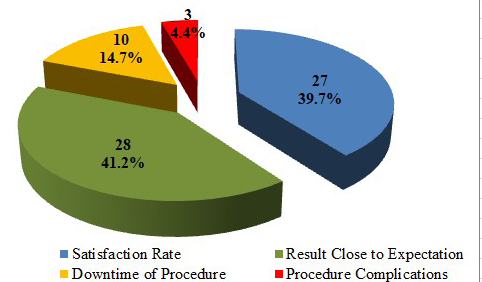
Figure 1. A graphical representation of patients’ overall satisfaction
There were mostly satisfied patients (84.6%) who were treated with combined plan in comparison to 53.8% who used crystal pro-freeze (p=0.030); regarding re- sults close to their expectations reported that 84.6% patients treated with all regimes plus CFU-Life had expected results really close followed by 77% using crystal pro-freeze and 46.1% using lipolytic injection (p=0.0002); regarding downtime of procedure, 38.5% had downtime procedure using all regimes plus CFU- Life followed by 30.8% used crystal pro-freeze regime (p=0.038) and regarding procedural complications each of the three regimes, lipolytic injection, crystal pro-freeze and all used together plus CFU-Life had reported 01 (7.7%) patient each having complications (p=0.784). (Table 1)
| Variables | Lipolytic injection | Lymphatic Massager | Crystal Pro-freeze | All Treatments plus CFU-Life | p-value |
|---|---|---|---|---|---|
| Satisfaction Rate | 5 (38.5%) | 4 (30.8%) | 7 (53.8%) | 11 (84.6%) | 0.03 |
| Result Close to Expectation | 6 (46.1%) | 1 (7.70%) | 10 (77.0%) | 11 (84.6%) | |
| Downtime of Procedure | 1 (7.70%) | 0 | 4 (30.8%) | 5 (38.5%) | 0.038 |
| Procedure Complications | 1 (7.70%) | 0 | 1 (7.70%) | 1 (7.70%) | 0.784 |
Table 1. Outcome of Body Contouring Techniques over the Arm Area (n=52)
As we have seen through interpreting our data result that out of 52 respondents the satisfaction rate, results closer to expectation rate is increased when multiple devices are used in combinative way as compared to individual use of aesthetic device. They are quite safer when use in multiple non-invasive ways with effective gap period as required. We can justify our results with previous studies as done with the lipolytic drug effec- tiveness study shows best effectiveness over face & upper arm.5 In another study, on-invasive subcutane- ous fat reduction review that each device have differ- ent impact on fat reduction but multiple noninvasive devices are safer and more effective for circumferen- tial reduction in local fat tissue by 2 cm or more across the abdomen ,hips and thigh.10 Thus as researcher, I conclude that this study support hypothesis with evi- dences and references .We do have limitation of study, as we could not get large number of data as aesthetic treatment and taking sampling for data collection is really very expansive. Secondly, it takes time to get the result as we were using effectiveness from multi- ple devices. So, these weaknesses limit the general- izability of study conclusion. This article can provide foundation for future research. Hence, it will provide good review for the readers to choose better options for better results. We can work on budget friendly de- vices in future so that even common layman can have such facilities for better quality healthy lifestyle. Conflict of interest
This article is non-interest, non-promotional non-fund- ing. It is not collaborated with any advocacy groups or aesthetic brands. No fees are given to authors or organization for promotion of aesthetic devices.
No funding has been granted for this article.
As researcher, I would be very grateful to Dr. Ahmed Ibrahim, plastic surgeon & director of liberty medical center & chains, who has given me permission to do data collection from his own patients. He gave me all the facilities which helped me throughout my research work process.