


Samuel Ayetibo Ofori1*, Joshua Dwomoh1, Enoch Owusu Yeboah2, Aggrey Leo Martin1, Samuel Nti1, Amankwah Philip3 and Clement Asante4
Biological Science Department, Akenten Appiah-Menka University of Skills Training and Entrepreneurial Development, Ghana
Public Health Department, Akenten Appiah-Menka University of Skills Training and Entrepreneurial Development, Ghana
Department of Civil Engineering (Water supply and environmental sanitation), KNUST
Department of physiology, University of Ghana Medical School, Accra, Ghana.
Received: 12 January 2024; Processed: 19 January 2024; Accepted: 25 January 2024
Citation: Ofori SA,Dwomoh Joshua,Yeboah Enoch Owusu and Martin Aggrey Leo,et al.“Ecological Study of Galamsey Activities in Ghana and their Physiological Toxicity.”J Environ Toxicol Res (2024):101. DOI: 10.59462/3068-3505.1.1.101
Copyright: © 2024 Ofori SA. This is an open-access article distributed under the terms of the Creative Commons Attribution License, which permits unrestricted use, distribution, and reproduction in any medium, provided the original author and source are credited.
Small-Scale Gold Mining (ASGM), locally known as “Galamsey,” has emerged as a pervasive issue in Ghana characterized with environmental degradation, land and water resource depletion, health hazards for miners, social and economic impacts. This comprehensive review explores the ecological and health effects of galamsey operations across different regions of the country. The study employs a systematic analysis method to examine the available literature from 2000 to 2023. Various academic databases, including PubMed, Google Scholar, JSTOR relevant government publications, were searched to gather relevant information. The review reveals that galamsey has had significant ecological consequences, including deforestation, habitat destruction, water pollution, soil degradation, which have adversely affected Ghana’s natural beauty. These environmental challenges pose a threat Moreover, the study highlights the physiological health issues faced by galamsey miners, such as accidents, physical strain, mental strain, kidney problems and respiratory disordersmetabolic diseases. The presence of elevated levels of mercury, cyanide, arsenic cadmium in both the environment and the human body are directly linked to ASGM in Ghana. About seventy percent (70%) of the houses in ASGM communities relied on surface waterall of the homes utilized the fields or bush as their main toilet. Implementing remote sensing, geospatial technologies, promoting clean mining technologies, integrates environmental conservation, occupational safety and public health awareness are key technical and innovative measures to mitigate galamsey in Ghana.
Galamsey, Small scale, Gold mining, Illegal mining , Physiological health, Ghana
Galamsey, a phrase derived from Ghana’s Akan language that combines “Gather” and “Sell,” has emerged as a prominent feature of the country’s economic and environmental landscape [1]. In recent years, the environmental impact of illegal small-scale gold mining, commonly known as “Galamsey,” has become a growing concern worldwide. Galamsey activities involve the extraction of gold from deposits using rudimentary methods that often result in significant ecological degradation and the release of toxic substances into the environment. Across the globe, numerous countries face comparable challenges associated with unregulated artisanal and small-scale mining operations. For instance, countries such as Brazil [2,3], Colombia [4], Indonesia [2] the Democratic Republic of Congo [5-7] have grappled with the adverse environmental consequences of informal mining activities. These regions share common characteristics with Ghana, including the prevalence of galamsey-like practices, limited government oversight and inadequate enforcement of environmental regulations.
These small-scale mining operations, which are usually carried out without legal authorization, provide a living for many Ghanaians, particularly in rural regions where official employment opportunities are limited [8]. Despite its informal character, the galamsey industry contributes significantly to Ghana’s gold output, elevating the country to the world’s top gold producer [9]. The revenue generated from this sector, although unregulated, has tangible implications for the national economy [10]. Galamsey’s history may be traced back to pre-colonial and colonial eras, when artisanal mining was popular. It was an important component of the local economy and culture [11]. However, galamsey has seen considerable changes in recent decades. This surge can be attributed to a range of factors, including economic pressures, fluctuations in global gold price, and lack of alternative employment opportunities [12].
These operations are prevalent throughout the country, with concentrated activity in mineral-rich regions like Western, Ashanti and Eastern Ghana. However, galamsey has serious environmental and health effects underneath the economic surface [13]. It causes deforestation, habitat destruction, water pollution, soil degradation biodiversity loss, all of which have a negative influence on Ghana’s natural resources [14]. Miners suffer considerable occupational health risks, including exposure to hazardous compounds such as mercury and cyanide used in gold extraction, which can lead to a variety of health problems [15]. Mental health concerns among miners, stemming from harsh working conditions and job uncertainty, are also prevalent [16]. Local populations around galamsey sites face health risks as a result of water pollution from mining activities, which affects drinking water supplies and agriculture [17]. These groups also face socioeconomic and psychological challenges. The Ghanaian government has put measures in place to address these problems, although their efficiency and implementation remain debatable [18]. The purpose of this review is to provide comprehensive information on the ecological destruction and physiological health effect as a result of galamsey activities in Ghana.
Extensive research was conducted to gather relevant publications and articles on the ecological and health implications of galamsey activities in Ghana. The search was carried out between 2000 and 2023 and several electronic databases were selected to cover a wide range of disciplines and research areas, including PubMed, Scopus and Web of ScienceGoogle Scholar. These databases were chosen for their extensive coverage of scientific literature in the fields of environmental science, public health, toxicology and mining related disciplines.A combination of keywords and controlled vocabulary was used to construct search queries. The keywords and phrases encompassed various aspects of the topic, including “Galamsey, Illegal mining, Ghana, Ecological impact, Physiological toxicity, and Physiological health”. The search queries were adapted to the specific syntax and requirements of each database.
Truncation and Boolean operators (e.g., and, or) were utilized to expand or narrow down the search results, as appropriate.Inclusion criteria were established to ensure the selection of articles and studies that directly addressed the ecological impact of galamsey activities in Ghana and their physiological toxicity. Relevant criteria included studies published in peer-reviewed journals, research articles and review articlesreports from reputable organizations. Articles and studies that focused on other forms of mining activities or were not specific to the Ghanaian context were excluded from consideration. Similarly, studies that did not investigate the ecological impact or physiological toxicity associated with galamsey were excluded. The literature selection prioritized studies with methodologies, including field surveys, laboratory analysisempirical data collection.
The initial literature search was conducted using the defined search queries and filters to retrieve relevant articles and studies. The search was conducted independently by different researchers to ensure consistency and minimize bias. Duplicate records were removed using reference management softwarethe remaining records were screened based on titles and abstracts. The selected articles proceeded to the fulltext review stage. The full-text review involved a careful assessment of the selected articles to determine their relevance to the research objectives. Articles that met the inclusion criteria were retained for data extraction and synthesis. The final selection of literature was made based on consensus between the researchers after discussing any discrepancies or disagreements during the review process. To ensure completeness, a supplementary search was conducted by reviewing the reference lists of the selected articles and performing a citation search on key papers. This process aimed to identify additional relevant studies that may have been missed in the initial search. The supplementary search helped uncover older or seminal studies that might have been missed in the initial search, ensuring the inclusion of comprehensive and foundational literature on the topic.
A total of 81 studies were found and 16 met the inclusion criteria and were selected for data extraction and synthesis. These papers encompassed a range of study designs, including empirical research, case studies review articles. The review encompasses studies conducted across multiple regions of Ghana to capture the health effects of galamsey operations across the country. Specifically, studies from various regions, including but not limited to Ashanti, Eastern, Western, Central, Ahafo, Bono, Northern and upper East Region were included in the analysis. The selection aimed to provide a comprehensive understanding of the health impacts associated with galamsey operations in different regions of Ghana
Environmental impact of galamsey activities in Ghana
On a worldwide basis, artisanal and small-scale gold mining (ASGM) operations provide around 350 metric tons of gold each year, accounting for nearly 15% of total global gold output [19]. ASGM is practiced directly by up to 15 million people globally, with an additional 80 to 100 million people relying on ASGM for at least a portion of their income [20]. Many of these artisanal gold miners come from economically and socially disadvantaged families [21]. ASGM operations often include small groups of people, frequently from rural and immigrant populations, who process a limited amount of ore in a narrow geographic region [20]. In some instances, these operations may be conducted illegally [22]. Although ASGM has traditionally been associated with low-impact techniques such as gold panning, it now frequently involves more modern methods [20]. Galamsey activities in Ghana are not limited to a particular region; they have spread throughout a large percentage of the country, impacting both regions and individual districts within them. These illicit mining activities have left an unmistakable imprint on Ghana’s biological ecosystem, with each area and district facing its own set of issues.
Galamsey activities in the Ashanti Region, particularly in districts like Obuasi, Amansie West, Atwima Mponua, have led to extensive deforestation, soil degradation and water pollution [23,24]. The region has been significantly impacted ecologically, as documented in numerous field of studies [23,25]. In the Western Region, districts such as Tarkwa-Nsuaem, Prestea-Huni Valley Wassa Amenfi East, which are rich in mineral resources, have witnessed extensive galamsey operations. This has resulted in profound deforestation, water contamination and disruption of local ecosystems [26]. The prevalence of galamsey in Ghana’s Central Region, particularly in Assin North, Mfantseman and Gomoa West, has jeopardized the cocoa and wood sectors. Water pollution and habitat devastation have grown widespread, threatening vital natural resources [27]. Mining activities in districts like Kwahu West, Birim Central and Atiwa have led to a loss of biodiversity in the Eastern Region’s forests and wildlife habitats, while soil degradation poses significant challenges to local agriculture. This regional ecological impact has been documented in studies [28,29]. The Upper East Region, with districts such as Bawku West, Bongo and Builsa North, has experienced soil degradation and the loss of fertile land [17].
Contamination of water bodies from mining is a pressing issue in districts like Bibiani-Anhwiaso-Bekwai, Bodi and Juabeso. The effects are felt by local communities and the region’s ecosystems, necessitating urgent environmental protection efforts [26,30]. The Ahafo Region, rich in gold deposits, has become a hub for galamsey operations, causing deforestation and habitat destruction. This has farreaching effects on natural resources and local economies, especially in districts like Asutifi North, Tano South and Sunyani West [31]. Emerging galamsey activities in districts like West Gonja, Central Gonja and Sawla-Tuna- Kalba in the Savannah Region are already resulting in consequences for local ecosystems and natural resources [32-34]. (Figure 1 and Table 1).
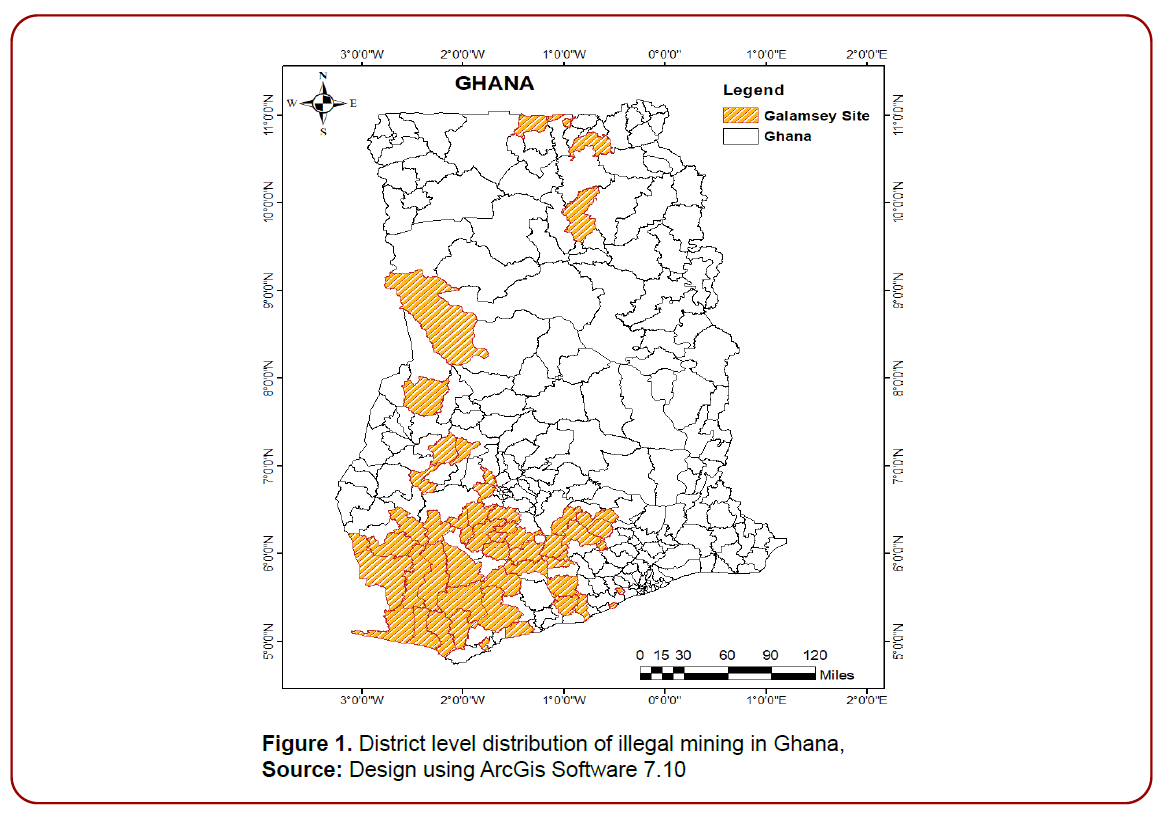
Figure 1. District level distribution of illegal mining in Ghana,
Source: Design using ArcGis Software 7.10
| Author(s) | Geographical Area | Ecological Distribution Effect | Summary of toxicity findings |
|---|---|---|---|
| Owusu-Nimo et al., 2018 | Western Region | Extensive deforestation and loss of habitat near mining sites | High mercury levels in water bodies. |
| Impact on specific ecosystems (e.g., riverine habitats). |
Health risks for miners. | ||
| Kuffour et al., 2020 |
Ashanti Region | Soil degradation leading to localized ecological changes. | Decline in agricultural productivity. |
| Impact on biodiversity within the region. | Respiratory issues among locals. | ||
| Nyantakyi- Frimpong et al., 2023 | Eastern Region | Habitat loss in specific forests and wildlife habitats. |
NA |
| Impact on flora and fauna distribution. | |||
| Donkor et al., 2023 | Central Region | Impact on Ghana's cocoa and timber industries within the region. | Health effects among local cocoa farmers due to water contamination. |
| Ayamba et al., 2017 | Upper East Region | Spatial analysis of mining areas and their effects on the local ecology. |
Respiratory health issues among galamsey miners. |
| Mental health challenges. | |||
| Alhassan, 2014 | Nationwide | Summarizes the ecological distribution effects across various regions in Ghana. |
Aggregated health findings from multiple regions. |
Table 1. Ecological Distribution and Toxicity Findings of Galamsey Activities in Ghana.
Deforestation and habitat destruction
The enormous deforestation and habitat damage caused by galamsey is one of the most visible repercussions in Ghana. Forests that were previously teeming with wildlife are being destroyed ceaselessly to make space for mining activities [28]. The removal of trees and vegetation causes the extinction of many plant and animal species, some of which are unique or endangered. As mining operations increase, these places become barren, degraded landscapes, affecting the composition and function of local ecosystems [19,26,35] and have found extensive deforestation in Ghana’s Western and Ashanti regions. These studies also show how ecological disruptions have resulted in diminishing biodiversity in these areas [19,26]. The consequences of habitat destruction go beyond immediate environmental impacts; they extend to the disruption of ecosystems that many local communities depend on for their livelihoods, such as farming and traditional agriculture [36]. This loss of biodiversity can lead to a reduction in ecosystem services, which can have an impact on the well-being and resilience of these communities [37].
Soil degradation and loss of biodiversity
Large amounts of land are frequently excavated and altered in galamsey operations. The disturbance created by these mining activities has the potential to degrade soil significantly. Top soil removal, contamination with pollutants such as mercury and cyanide physical disturbance of the ground all lead to soil erosion and decreased fertility [38]. These challenges not only have an impact on agricultural output, but they also alter the equilibrium of local ecosystems [37] has emphasized the impacts of soil degradation and biodiversity loss in Ghana’s Ashanti region. The findings demonstrate how the region’s natural fabric is unraveling as a result of Galamsey’s damaging consequences [37]. Soil deterioration has a direct influence on local agriculture, making it impossible for people to survive on conventional farming. Furthermore, the loss of rich soil owing to mining activities has an impact on agriculture’s long-term viability, providing food security concerns for the people [15]. In tandem with soil degradation, loss of biodiversity further compounds the ecological crisis caused by galamsey. Many native plant and animal species are on the verge of extinction or are already endangered as a result of habitat loss. According to a study conducted by Nyantakyi-Frimpong et al, 2023 [29], the decrease in biodiversity in the Eastern area has wide-ranging consequences that impact ecosystem services and disrupt the natural balance [29].
Water pollution
Water pollution resulting from illegal mining activities, known as gallamsey, has led to severe contamination of major rivers such as Pra, AnkobraBirim. A considerable percentage of individuals residing in mining communities, approximately 4.8% of respondents, express grave concerns about water pollution [24,28,39]. The use of hazardous substances like mercury and cyanide in artisanal and small-scale gold mining (ASGM) has gained notoriety. These chemicals are essential for separating gold from ore but have detrimental effects on water quality. Toxic substances from mining sites, referred to as “Tailings,” Infiltrate Rivers and groundwater, posing a significant threat [10]. Mercury, a heavy metal utilized to bind gold particles together, presents a particularly insidious problem. When released into water bodies, it undergoes transforms into methyl mercury, an extremely toxic form that accumulates in fish and other aquatic organisms.
The consumption of contaminated fish can lead to mercury poisoning in humans, resulting in neurological and developmental issues, particularly in children [21]. Cyanide, employed to dissolve gold, also carries its risks. Poor containment and management of cyanide waste can lead to disastrous spills, as witnessed in various mining accidents. Water contaminated with cyanide affects not only aquatic life but also the individuals who depend on these water sources. The increase in water pollution has contributed to the spread of water-borne diseases such as typhoid and hepatitis [40]. Additionally, mercury exposure has been linked to neurological and kidney damage in affected populations. A significant factor contributing to this problem is the lack of regulation and oversight. Many smallscale mining operations operate informally, circumventing environmental standards. Even when regulations are in place, they are often poorly enforced due to limited resources and corruption [41].
Loss of livelihoods
Illegal mining activities, known as gallamsey, have resulted in the displacement of farmers and the destruction of cocoa farms, which are Ghana’s most important cash crop. This has led to a decline in food crop production, posing a threat to food security. The depletion of forests due to mining has dramatically reduced the harvesting of non-timber forest products such as snails, honey firewood. Cocoa is a crucial source of income and a significant contributor to Ghana’s economy, generating a substantial portion of its export revenue. However, gallamsey has displaced cocoa farmers in many regions [42]. The unregulated mining activities often result in the degradation of fertile farmland, rendering it unsuitable for cocoa cultivation. This further exacerbates the loss of livelihoods for cocoa farmers [27]. Displaced farmers not only experience a significant reduction in income but also face economic instability as they are compelled to seek alternative means of livelihood [19].
Gallamsey not only impacts cocoa production but also disrupts the cultivation of food crops such as cassava, plantain and yam. Mining activities pollute water bodies and contaminate the soil, leading to reduced crop yields and poor crop quality [39]. As food crop production declines, Ghana’s food security is compromised. This poses a risk to the country’s ability to adequately feed its population, potentially resulting in food shortages and higherpricesincreased food insecurity for vulnerable communities [26]. Furthermore, gallamsey contributes to widespread deforestation and the destruction of habitats, causing a significant decline in the availability of nontimber forest products. Local communities that traditionally depend on resources such as snails, honeyfirewood for income and sustenance are adversely affected. The scarcity of these resources limits their options for making a living. Additionally, the loss of forest resources erodes the traditional ecological knowledge of communities that have relied on these resources for generations [25].
Physiological toxicity of mercury exposure
Many small-scale miners regularly use mercury to extract gold from ore, a method known as amalgamation. This method is preferred due to its simplicity, cost-effectiveness, wide availabilitya long-standing history of utilization in the region [43]. ASGM’s expansion worldwide and the extensive utilization of mercury within this industry are expected to result in ASGM accounting for 37 percent of mercury emissions into the atmosphere on a global scale. This corresponds to the release of 727 tons of mercury into the atmosphere in 2023 [44]. In terms of overall world emissions, Sub-Saharan Africa is second only to East Asia. Mercury exists in both inorganic and organic forms [45]. Inorganic mercury encompasses elemental metallic mercury (Hg0 or gaseous mercury) and oxidized mercury salts (Hg+ or Hg2+). In ASGM communities, exposure to elemental mercury primarily occurs during the burning of amalgam. The kidneys play an important role in the elimination of mercury in the human body, with mercury levels in urine being a generally acknowledged indicator of recent exposure [46]. A recent study using stable isotopes of mercury in ASGM miners supports the use of urine mercury as a biomarker for inorganic mercury exposure [47].
Organic mercury, on the other hand, is commonly found as methylmercury (MeHg). MeHg exposure is mostly connected to the eating of fish [48], with the hepatobiliary system helping in mercury clearance. Mercury levels in hair or blood are recognized indicators of organic mercury exposure [49]. ASGM miners may be exposed to mercury by both inhalation of burnt mercury and eating of contaminated seafood [50]. However, in the case of Ghana, mercury inhalation appears to be of greater relevance, as mercury content in Ghanaian fish, in ASGM communities, remains relatively low, as does the consumption of fish. Studies reported biomarker values in urine and hair in Ghana exceed guideline limits, with urinary mercury levels (indicative of elemental exposures) closely mirroring those observed in ASGM locations throughout the world [29,49,51]. Children and fetuses are more vulnerable to the harmful effects of mercury and experience more serious symptoms. The main way they are exposed to mercury is by eating contaminated fish. Due to the increased sensitivity of the fetal brain to mercury, the FDA advises pregnant or breastfeeding women and children to avoid fish that have high levels of mercury, such as shark, king mackerel, tilefish and swordfishtuna [52].
Pathophysiological, Mercury attaches itself to sulfhydryl groups to a lesser extent, amide, carboxylphosphoryl groups. This interaction disrupts the normal functioning of cellular enzymes and protein systems in the body. As a result, mercury can substantially impair the activity of enzymes, hinder membrane function and disrupt transport mechanismsaffect structural proteins. Inhibition of choline acetyltransferase and catechol O-methyltransferase leads to hypertension [53] and tachycardia as the results of deficiency of acetylcholine [54]. Following exposure, mercury salts induce early damage to the mucosa of the gastrointestinal tract and the proximal renal tubules. This damage occurs as a result of the direct oxidative impact of mercuric ions. Inorganic salts have limited ability to dissolve in lipids, which makes it difficult for them to pass through the blood-brain barrier. However, due to their slow elimination from the body, some degree of accumulation can still occur [54]. Organic mercury, specifically methylmercury, has an affinity for lipids and can be distributed throughout various tissues, including the central nervous system (CNS). Studies have shown that the organic mercury deposits in the CNS undergo a conversion to inorganic mercury, which contributes to its toxic effects [55].
Physiological toxicity of cyanide exposure
The use of cyanide to dissolve gold from ore is a dangerous practice in artisanal and small-scale gold mining (ASGM). Miners commonly come into touch with this dangerous material, due to improper handling and disposal [48]. Cyanide exposure has significant health concerns ranging from minor symptoms to life-threatening outcomes [44]. Initial cyanide exposure is frequently followed by headaches and dizziness. These early warning indicators, while seemingly innocuous, are suggestive of more serious problems to come [56]. Individuals may develop nausea and vomiting as their exposure continues. This stage is distinguished by an increasing sensation of discomfort and misery [57]. The toxicity of cyanide can rapidly develop, causing respiratory distress marked by laborious breathing and a rising sensation of bewilderment and disorientation. Cyanide exposure can cause loss of consciousness in severe situationsif left untreated, this can lead to death.
Cyanide disrupts the body’s ability to generate adenosine triphosphate (ATP), a vital molecule for cellular energy, leading to a rapid energy crisis within vital organs [58-61]. Immediate administration of cyanide antidotes, such as sodium thiosulfate or hydroxocobalamin, can counteract the toxic effects of cyanide. However, time is a critical factorany delay in treatment may reduce the likelihood of a successful outcome [58]. Regrettably, in the remote and often informal settings of galamsey operations, access to medical resources and knowledge is severely constrained. Miners who fall victim to cyanide poisoning in these regions frequently face a dearth of immediate medical assistance, amplifying the severity of their predicament [58]. Cyanide exposure in the context of galamsey activities is an urgent demand for safer and more controlled mining techniques. Its toxicity poses a severe danger to miners’ health and well-being, emphasizing the necessity for quick action and the availability of suitable healthcare services [62].
Physiological toxicity of arsenic (As) exposure
Exposure to arsenic in galamsey (artisanal small-scale mining) sites can pose significant health risks. Arsenic is a toxic heavy metal that can enter the body through inhalation of dust or fumes, ingestion of contaminated water or food, or dermal contact. A study assessed urine samples from ASGM miners in different categories in southwest Ghana, including permanent large-scale miners, casual large-scale minerslarge-scale miners residing at various distances from the mine [63]. The results suggest a significant difference in as levels, with miners in closer proximity to the mine site exhibiting higher as concentrations in their urine. This pattern is consistent with the well-established understanding that proximity to mining activities is associated with increased exposure to environmental contaminants. It’s important to note that the study didn’t include a control group of non-miners from this region, making it challenging to draw definitive conclusions regarding the comparative risks of as exposure. In Tarkwa, urine samples were collected from Galamsey workers and non-Galamsey workers.
The data indicates that Galamsey workers had higher urinary as levels compared to non-Galamsey workers, corroborating the notion that occupational exposure in Galamsey environments elevates the risk of as contamination [43]. The study in Accra provides a control group for urinary as levels. Although the sample size for the control group was small, it serves as a reference point for evaluating the difference in as levels between thecapital city and Galamsey areas [31]. The research in Talensi District, Upper East Regionof Ghanafocused on small-scale artisanal miners from various locations. The findings reflect the impact of ASGM activities on as exposure in areas where these activities are prevalent [47]. Prolonged exposure to inorganic arsenic lead to various cardiovascular disorders, including, hypertension, ventricular arrhythmias, heart diseases and atherosclerosis. Arsenite, a form of arsenic, stimulates the production of reactive oxygen species (ROS) such as superoxides and hydrogen peroxide by activating nicotinamide adenine dinucleotide phosphate (NADPH) oxidase in the plasma membrane of vascular endothelial cells [64].
ROS produced during arsenite exposure increase the expression of genes associated with atherosclerosis, such as heme oxygenase-1 (HO-1), monocyte chemoattractant protein (MCP-1)interleukin-6 (IL-6), which promote the attachment, penetration and migration of monocytes in vascular smooth muscle cells (VSMC) [64]. Chronic arsenic exposure is associated with skin lesions, peripheral neuropathycardiovascular diseases. It can also have detrimental impacts on the respiratory system, leading to chronic obstructive pulmonary disease (COPD) and bronchiectasis [42]. Moreover, arsenic interferes with multiple metabolic pathways, including those related to glucose metabolism, which can contribute to diabetes. It may also disrupt the endocrine system, impacting thyroid function. Arsenic exposure during pregnancy is linked to adverse birth outcomes, including low birth weight and developmental issues in children [42,64,65].Long-term exposure to arsenic leads to a decrease in the expression of PPAR-γ, which can result in reduced sensitivity to insulin. This reduced sensitivity to insulin is responsible for the development of type II diabetes in response to arsenic exposure. Arsenite replaces a phosphate group from adenosine triphosphate (ATP), forming ADP-arsenate. This alteration slows down glucose metabolism, disrupts energy productioninterferes with ATP-dependent insulin secretion [66].
Physiological toxicity of cadmium (Cd) exposure
A study highlighted higher Cd levels among small scale mine workers, reinforcing the potential occupational hazards associated with mining, including increased Cd exposure. The study in Accra provides a control group for Cd levels, offering a reference point for assessing the difference in Cd levels between the capital city and small scale mining areas [58]. The investigation into Cd exposure in this Talensi District, Upper East Region, involving small-scale artisanal miners from various locations, again demonstrates the potential health risks faced by ASGM miners [47]. Cadmium (Cd) is a heavy metals found in various environmental settings, with mining activities being one potential source of exposure.
These metals have well-documented physiological effects on human health. Cadmium exposure can lead to various physiological effects, primarily affecting the kidneys and bones. Long-term exposure to cadmium, often through inhalation or ingestion of contaminated water and food, can result in kidney damage and renal dysfunction [67]. The accumulation of cadmium in the kidneys can lead to conditions like Itai-Itai disease, which is characterized by severe pain and deformities of the skeleton [62]. Cadmium also has detrimental effects on the cardiovascular system, increasing the risk of hypertension, atherosclerosiscardiovascular disease. Furthermore, cadmium can interfere with calcium metabolism, potentially leading to osteoporosis and fractures. It has also been associated with adverse effects on lung function [68] (Table 2).
| Authors | Location | Type of sample | Identify Heavy Metal | ||
|---|---|---|---|---|---|
| Abrefah et al., (2011 ) | Southwest Ghana | urine | Mercury | Arsenic | |
| Adimado & Baah (2002) |
Ankobra & Tano | urine | Mercury | Arsenic | |
| Asante et al., (2007) | Tarkwa | urine | Mercury | Arsenic | Cadmium |
| Asante et al., (2007) | Accra | urine | Mercury | ||
| Kwaansa-Ansah et al., (2010) |
Dunkwa-on-Offin, | urine | Mercury | ||
| Paruchuri et al., 2010 | Talensi-Nabdam District, |
urine | Mercury | Arsenic | Cadmium |
| Anim et al., 2011 | Pra River Basin | Hair | Mercury | ||
| Donkor et al., 2006 | Central, and Ashanti Regions |
Hair | Mercury | ||
| Kwaansa-Ansah et al., 2010 |
Dunkwa-on-Offin | Hair | Mercury | Cadmium | |
Table 2. Studies on Heavy Metal Contamination in Samples from Various Regions in Ghana.
Respiratory diseases and lung conditions
Engaging in gallamsey activities often exposes miners to fine airborne particles, dusttoxic fumes, which can have adverse effects on their respiratory health. Silica dust, commonly found in gold-bearing rocks, can cause silicosis, a progressive and irreversible lung disease [59]. Living in inadequate conditions and constant exposure to dust increase the risk of respiratory infections, particularly in areas with limited access to healthcare. Silicosis is a prevalent and serious respiratory disease among gallamsey miners, primarily caused by inhaling fine airborne particles containing crystalline silica, a common component of goldbearing rocks [63]. Miners involved in crushing and grinding ore are at a higher risk of inhaling silica dust, which can lead to lung inflammation and scarring when deposited in the lungs [57]. Silicosis is characterized by progressive and irreversible damage to lung tissue, reducing its elasticity and impairing its function [69]. Common symptoms include chronic cough, shortness of breath, chest pain in advanced cases, respiratory failure.
Silicosis weakens the immune system, making miners more vulnerable to tuberculosis (TB), a dangerous coinfection [51,56]. Living conditions that are inadequate and continuous exposure to dust and air pollution in gallamsey work environments increase the risk of respiratory infections among miners. These infections pose numerous challenges [51]. Gallamsey workers often reside in overcrowded and unhygienic settlements with poor ventilation, facilitating the transmission of respiratory pathogens [51]. Miners working in damp and poorly ventilated tunnels may encounter fungi and bacteria that can cause lung infections, especially if they already have lung damage from silicosis. Access to healthcare services is often limited or nonexistent in remote gallamsey areas, exacerbating the severity of respiratory infections and leading to delayed or inadequate treatment [42].
In terms of the ecological impact on the environment, the study finds that Ghana’s natural beauty has suffered significantly. Deforestation, habitat destruction, water pollution, and soil degradation have left lasting scars on the landscape. Environmental challenges are threatening local ecosystems and significant resources in regions such as Ashanti, Western, Central and Bono Region. The health of galamsey miners is a major concern on the human front. Accidents, physical strain, and the mental toll of their job are all risks they confront. A number of health issues have been linked to ASGM in Ghana. Empirical evidence suggests elevated mercury and cyanide leads to physiological toxicity and other health issues. Additional evidence support the exposure of ASGM miners and community members to other heavy metals mobilized during the mining process, such as arsenic and cadmium. Studies revealed that in one ASGM community, 100% of households used bush or fields as their primary toilet facility, compared to only 18% in the broader Ghanaian population, 70% relied on surface water, 30% on sachet water, and alternative water sources were scarcely used. These findings highlight the critical need for safer working conditions and improved miner protection. The effect of ecological and health issues resulting from galamsey calls for a swift and quick response. Implementing remote sensing, geospatial technologies, promoting clean mining technologies, integrates environmental conservation, occupational safety and public health awareness are key technical and innovative measures to mitigate galamsey in Ghana.